


Lub teeb pob zeb Additives | High-Performance Foaming Agents rau Cellular Concrete


PRODUCT PRAMETERS
Kev piav qhia
Introduction to Hydroxypropyl Methyl Cellulose HPMC for Tile Adhesive Construction Gypsum Plaster and Putty
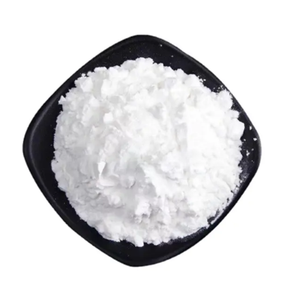
Hydroxypropyl Methylcellulose (HPMC), nws lub npe Suav yog hydroxypropyl methylcellulose, yog semi-synthetic, non-ionic cellulose ether tau los ntawm chemically modifying natural cellulose. Cov hmoov dawb no tuaj yeem tsim cov kua nplaum pob tshab tom qab yaj hauv dej. Nws muaj cov thickening zoo heev, tuav dej, stability thiab film-forming zog. Nws yog ib qho indispensable multifunctional additive nyob rau hauv ntau lub teb xws li kev tsim kho.
Characteristics and advantages of Hydroxypropyl Methyl Cellulose HPMC for Tile Adhesive Construction Gypsum Plaster and Putty
Solubility dej zoo heev: Nws tuaj yeem yaj sai sai hauv dej txias kom tsim tau cov tshuaj ntshiab thiab ruaj khov.
Ua kom tuab tuab thiab muaj peev xwm tuav dej: Ua kom cov viscosity ntawm cov khoom, zoo txo cov dej evaporation, thiab txhim kho kev ua haujlwm zoo.
Zoo stability: Nws muaj kev ruaj ntseg zoo rau acids, alkalis, thiab ntsev, thiab yog haum rau ntau yam ntawm cov nqi pH.
Zaj duab xis-tsim thiab tiv thaiv teebmeem: Tom qab ziab, nws tsim ib zaj duab xis tawv thiab pob tshab los tiv thaiv substrate thiab tiv thaiv dej nkag thiab evaporation.
Non-toxic thiab non-irritating: Nws muaj biocompatibility zoo thiab tsim nyog rau thaj chaw tshuaj thiab zaub mov.
Kho tau: Los ntawm kev hloov cov degree ntawm kev hloov pauv thiab qhov hnyav molecular, nws qhov kev ua tau zoo tuaj yeem hloov kho kom tau raws li qhov kev thov sib txawv.

Specifications of Hydroxypropyl Methyl Cellulose HPMC for Tile Adhesive Construction Gypsum Plaster and Putty
Hydroxypropyl Methyl Cellulose (HPMC) rau Ceramic Pobzeb Adhesive, Construction Gypsum, Plaster, and Putty
Ntsiab Spec
Saib: Dawb rau beige dawb-ntws hmoov. No lumps or foreign fragments.
viscosity: Yooj yim muaj nyob rau hauv ntau qib– feem ntau 400 mPa · s, 15,000 mPa · s, 40,000 mPa · s, thiab 75,000 mPa · s(txiav txim ntawm 2% kev xaiv, 20 ° C). Choose the appropriate thickness based on your application requires.
Methoxyl Cov ntsiab lus: 19.0– 24.0%. This range guarantees excellent water retention and workability.
Hydroxypropyl Web cov ntsiab lus: 4.0– 12.0%. Assists boost solubility and security in various mixtures.
Cov ntsiab lus ntub dej: Max 5.0%. Reduced wetness keeps the item stable throughout storage.
pH nqi: 6.0– 8.0 (2% kua kev pab ntawm 25 ° C). Neutral pH sustains compatibility with typical building products.
Particle Loj: Goes Through an 80-mesh sieve (≥ 98%). Fine fragments blend uniformly right into dry blends.
Gel Temperature: 58– 62 ° C. HPMC enlarges and creates a gel when heated, which helps regulate establishing time.
Ash Web Cov ntsiab lus: Max 5.0%. Low ash means fewer impurities and better efficiency.
Kev tuav dej: ≥ 95% (for typical grades utilized in tile adhesives and plasters). High water retention stops early drying and boosts bond stamina.
Kev ntshiab: Complies with market criteria for construction-grade cellulose ethers. Without hazardous additives.
This HPMC grade is specifically developed for usage in tile adhesives, gypsum-based products, interior plasters, and wall putties. It gives smooth blending, strong bond, and consistent open time. The powder dissolves easily in cold water and functions well with cement, txiv qaub, thiab plaster systems. Home builders and suppliers count on it for foreseeable results and very easy handling on website.
Applications of Hydroxypropyl Methyl Cellulose HPMC for Tile Adhesive Construction Gypsum Plaster and Putty
Kev siv ntawm Hydroxypropyl Methyl Cellulose (HPMC) in Structure Products
Pobzeb Adhesive
HPMC plays a crucial duty in tile adhesives. It aids the mix keep damp much longer so workers have even more time to put floor tiles appropriately. This additive additionally quits the water from soaking as well quickly right into porous surface areas like block or concrete. Vim li no, the concrete in the glue hydrates effectively and bonds well. HPMC gives the paste a smooth appearance that sticks conveniently to both the wall surface and the floor tile back. It decreases drooping on upright surfaces and keeps floor tiles in position without moving.
Building And Construction Plaster Plaster
In gypsum plaster, HPMC enhances workability and spreadability. The powder blends equally with water and creates a luscious consistency that’s very easy to use by hand or maker. It controls water retention so the plaster sets at the appropriate rate. Without adequate water control, the plaster may dry out also rapid and crack. HPMC likewise boosts attachment to walls and ceilings, assisting the plaster stick firmly during and after drying out. This leads to fewer repair services and a cleaner surface.
Putty
For exterior and interior putty, HPMC boosts performance in a number of means. It raises the putty’s capability to hold water, which supports proper treating and prevents early drying out. The additive makes the mixture smoother and much easier to sand after it dries out. HPMC likewise improves the putty’s flexibility a little, decreasing the possibility of hairline fractures in time. On absorbent substratums like old plaster or bare concrete, it makes sure constant drying out and strong bonding. Specialists locate putty with HPMC less complicated to take care of, with much less waste and much better surface area protection.
Tuam txhab Profile
Peb yog cov thawj coj thoob ntiaj teb hauv cov pob zeb sib sib zog nqus thiab cov txheej txheem tsim ua npuas ncauj zoo heev. Paub thoob ntiaj teb rau nws txoj kev mob siab rau kev tshawb fawb, kev tsim kho tshiab, thiab siv kev txawj ntse, peb tau muab engineered ua npuas ncauj kev daws teeb meem txij li thaum ntxov 2012's.
Peb tuaj yeem muab cov khoom siv zoo tshaj plaws thiab cov khoom ua npuas ncauj ua ke thoob plaws ntiaj teb.
Lub tuam txhab muaj cov kws tshaj lij kev ua haujlwm thiab kev saib xyuas zoo, ib lub chaw kuaj mob zoo, thiab nruab nrog cov cuab yeej ntsuas qib siab thiab tom qab-muag kev pabcuam cov neeg siv khoom.
Yog koj txaus siab, thov koj xav tias dawb thiab tiv tauj peb.
Kev them nyiaj
T/T, Western Union, Paypal, Credit Card thiab lwm yam.
Kev xa khoom
Los ntawm huab cua, ntawm hiav txwv, los ntawm kev nthuav qhia, raws li cov neeg siv khoom thov.
5 FAQs of Hydroxypropyl Methyl Cellulose HPMC for Tile Adhesive Construction Gypsum Plaster and Putty
Frequently Asked Questions About HPMC for Tile Adhesive, Gypsum Plaster, and Putty
What is HPMC used for in tile adhesive?
HPMC helps tile adhesive stay wet longer. Qhov no muab sijhawm rau cov neeg ua haujlwm kom muab cov nplais kom raug. It also makes the mix smooth and easy to spread. The adhesive sticks better to walls and floors because of HPMC.
How does HPMC improve gypsum plaster?
Gypsum plaster with HPMC spreads evenly and sticks well to surfaces. It reduces cracks during drying. HPMC holds water in the mix so the plaster sets properly. This leads to a smoother finish and stronger bond.
Why add HPMC to putty?
Putty with HPMC becomes easier to apply and sand. It keeps moisture inside longer, which helps it cure fully. This prevents peeling or powdering later. The final surface stays strong and ready for painting.
HPMC puas cuam tshuam rau lub sijhawm ziab?
Yog lawm. HPMC txo qis dej poob. This controlled drying helps all three products—tile adhesive, plaster, and putty—perform better. Fast drying can cause weak spots or cracks. HPMC avoids that by managing moisture.
Puas yog HPMC muaj kev nyab xeeb rau kev siv sab hauv tsev?
HPMC yog non-toxic thiab tsw. It meets safety standards for indoor construction materials. Once mixed into plaster, putty, or adhesive, nws tsis muaj teeb meem kev noj qab haus huv. Workers and residents can stay safe during and after application.
THOV QHIA
QHOV CHAW UA HAUJ LWM
High Quality Hydroxypropyl Methyl Cellulose HPMC for Concrete Additives
WELLDONE High Quality Thickener Hpmc for Liquid Detergent Mhpc Hpmc Hydroxypropyl Methyl Cellulose
WELLDONE Hpmc rau Skim Txheej Hydroxypropyl Methylcellulose Viscosity Ntawm 200000 Muaj Hpmc Thickening Powder
High Purity HPMC Cellulose HPMC HPMC 200000 With Good
Hydroxypropyl Methyl Cellulose HPMC HEC CMC HEC Hydroxyethyl Cellulose Hmoov rau mortar
