Lightweight Concrete Additives | High-Performance Foaming Agents for Cellular Concrete


PRODUCT PARAMETERS
Description
Overview of Building Material Chemical Lignin Wood Cellulose Fiber For Asphalt Concrete Reinforcement Thickening Crack Resistance
For high-impact resistance, we offer Steel Fibers, an ideal replacement for welded wire mesh in industrial floors and pre-cast elements. We also provide specialized Structural Synthetic Fibers that offer high tensile strength for demanding applications. These fibers are uniformly dispersed throughout the concrete mix, creating a multi-dimensional reinforcement network that traditional methods cannot achieve. This integrated approach simplifies construction, accelerates placement, and enhances the overall integrity and longevity of the concrete, providing a modern answer to age-old cracking and durability challenges.
Features of Building Material Chemical Lignin Wood Cellulose Fiber For Asphalt Concrete Reinforcement Thickening Crack Resistance
1. Superior Crack Control and Enhanced Durability:
The primary feature of our fibers is their ability to bridge both micro-cracks that form during the plastic state and larger cracks in hardened concrete. This three-dimensional dispersion creates a more cohesive matrix that resists crack propagation. The direct benefit is a significant reduction in both plastic shrinkage cracking and long-term crack width. This leads to a much more durable concrete with lower permeability, which in turn enhances resistance to water ingress, freeze-thaw damage, and corrosion of any embedded steel. The result is a structure with a longer service life and reduced maintenance costs.
2. Increased Impact and Abrasion Resistance:
Fibers, particularly steel and robust synthetic macro fibers, dramatically improve the concrete’s toughness and post-crack performance. They absorb and distribute energy upon impact or loading. This feature provides the benefit of a more resilient surface that is less prone to spalling, chipping, and abrasion under heavy traffic or mechanical wear. This is a critical advantage for industrial floors, warehouse pavements, and infrastructure projects, leading to a harder-wearing surface that maintains its integrity over time.
3. Construction Efficiency and Cost Savings:
A key feature of using fiber reinforcement is the elimination of welded wire mesh (WWF) in many applications. This provides immense on-site benefits: it simplifies placement, as there is no mesh to be set up or potentially displaced, and it accelerates the entire construction process. By removing a labor-intensive step, projects see reduced labor costs and faster project timelines. The uniform distribution of fibers also ensures consistent reinforcement throughout the entire concrete section, unlike mesh, which can be improperly placed, leading to more reliable and predictable performance.

Specification of Building Material Chemical Lignin Wood Cellulose Fiber For Asphalt Concrete Reinforcement Thickening Crack Resistance
Chemical Lignin Timber Cellulose Fiber for Asphalt Concrete
Improved Efficiency Through Natural Reinforcement
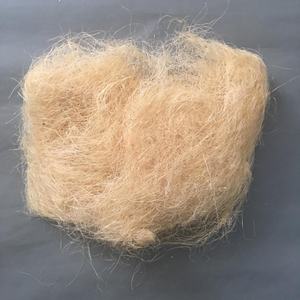
This item is a specially processed timber cellulose fiber made from all-natural lignin. It is developed to enhance asphalt concrete blends made use of in roadway construction and sidewalk jobs. The fibers are great, uniform, and equally distributed when blended right into warm asphalt.
Fracture resistance enhances considerably due to the fact that the fibers form a three-dimensional network inside the asphalt matrix. This network holds the mix together under stress and anxiety, minimizing the opportunity of cracks creating from traffic lots or temperature adjustments. The fibers also assist control contraction throughout air conditioning, which additionally restricts cracking.
Workability and stability improve also. The fibers take in excess binder oil, protecting against drain-down throughout transportation and placement. This implies the asphalt stays constant from batch to batch and maintains its desired structure on site. Contractors see less issues with partition or unequal surface areas.
The product is very easy to include during typical blending processes. No unique tools is needed. Simply present the fibers right into the mixer together with the accumulation and asphalt. They disperse rapidly and bond well without clumping.
Sturdiness enhances gradually. Roads built with this fiber-modified asphalt show longer service life and less upkeep demand. Pits, raveling, and exhaustion splits show up behind in standard mixes. This conserves money and reduces interruption from repair work.
All resources come from sustainable timber sources. The production process follows rigorous quality controls to make certain pureness and performance. Each batch fulfills sector standards for particle size, dampness material, and thermal security.
Utilize this fiber whenever you require reliable, economical enhancement in asphalt efficiency– especially in high-traffic zones, intersections, ramps, or areas with hefty lorries. It supplies real-world advantages without complicating your workflow.
Applications of Building Material Chemical Lignin Wood Cellulose Fiber For Asphalt Concrete Reinforcement Thickening Crack Resistance
Boost Asphalt Performance with Natural Fiber Innovation
Stronger, Tougher Roadways Beginning with Lignin Timber Cellulose Fiber
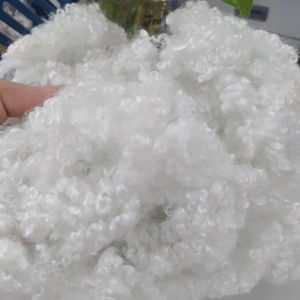
Building contractors and road teams need dependable materials that withstand rush hour and severe weather condition. That’s where lignin timber cellulose fiber is available in. This natural fiber comes from timber and is specifically dealt with for use in asphalt concrete. It mixes conveniently into warm asphalt and spreads out equally throughout the mix.
When included in asphalt, the fiber acts like a reinforcing web inside the sidewalk. It holds the product together better. This implies fewer splits form over time. Roadways stay smoother longer, also under consistent tension from lorries or temperature swings.
The fiber likewise assists thicken the asphalt binder. A thicker binder sticks far better to stones and sand in the mix. This decreases the chance of raveling– when tiny stones stand out loose from the surface area. Better attachment means a longer-lasting road with less maintenance.
Since it’s made from sustainable wood resources, this fiber is an environment-friendly option. It replaces synthetic ingredients without giving up performance. Professionals discover it easy to handle and dosage during mixing. No unique equipment is needed.
Area tests reveal clear benefits: sidewalks with lignin wood cellulose fiber stand up to exhaustion breaking much better than typical blends. They also deal with water damages more effectively. Water can’t permeate in as quickly since the fiber assists secure small gaps in the asphalt matrix.
Cities, regions, and personal developers utilize this fiber in car park, driveways, highways, and flight terminal runways. It functions well in both brand-new builds and overlays. The outcome is a sturdy surface that saves cash gradually by reducing repairs and resurfacing.
Lignin timber cellulose fiber gives you an easy means to update asphalt high quality using nature-based scientific research. It’s sensible, proven, and all set for real-world use today.
Company Introduction
Welcome to Concrete and More, a leading provider of high-performance concrete admixtures, including our premium concrete water reducers. With years of experience in the global market, we offer advanced solutions designed to enhance the quality and efficiency of construction projects worldwide. Our state-of-the-art manufacturing facilities ensure top-quality products that meet international standards. We pride ourselves on exceptional customer service, technical support, and tailored solutions to meet specific project needs. Partner with us for reliable, innovative, and cost-effective concrete admixtures that drive your projects forward. Explore more at www.concreteandmore.de/. Let’s build the future together!
If you have any questions, please feel free to contact us.
Payment Methods
T/T, Western Union, Paypal, Credit Card etc.
Shipment Methods
By air, by sea, by express, as customers request.
5 FAQs of Building Material Chemical Lignin Wood Cellulose Fiber For Asphalt Concrete Reinforcement Thickening Crack Resistance
Frequently Asked Questions: Lignin Wood Cellulose Fiber for Asphalt Concrete
What is lignin wood cellulose fiber?
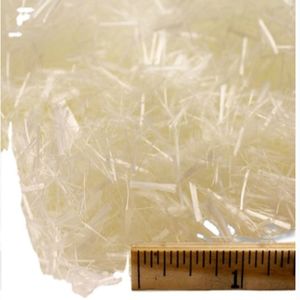
Lignin wood cellulose fiber comes from natural wood. It is a fine, organic fiber used in asphalt concrete. This fiber helps improve the performance of road surfaces.
How does it strengthen asphalt concrete?
The fiber mixes evenly into hot asphalt mix. It holds the binder and aggregates together better. This makes the asphalt stronger and more stable under heavy traffic or high temperatures.
Does it help prevent cracks?
Yes. The fiber reduces shrinkage during cooling. It also adds flexibility to the asphalt layer. These actions lower the chance of thermal and fatigue cracking over time.
Is it safe for the environment?
Yes. The fiber is made from renewable wood sources. It contains no harmful chemicals. It breaks down naturally and does not pollute soil or water.
How is it added to asphalt mix?
Contractors add the fiber directly into the mixing drum with other materials. The normal dosage is 0.3% to 0.5% by weight of the total mix. No special equipment is needed. The fiber disperses quickly and evenly during standard mixing.
REQUEST A QUOTE
RELATED PRODUCTS
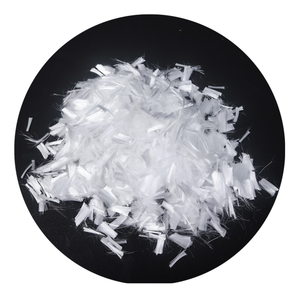
Polypropylene pp Fiber for Concrete improve shrinkage resistant
types of steel fibers used in concrete

Reinforced Steel Concrete Fiber Concrete Construction Copper Steel Fiber for Concrete

Polypropylene PP fiber for concrete

Hot ing Factory Direct Reinforced concrete steel fiber with high tensile strength for industrial floor