


Lightweight Nja Additives | Awọn aṣoju Fọmu Iṣe-giga fun Nja Cellular


Ọja parameters
Apejuwe
Overview of Building Material Chemical Lignin Wood Cellulose Fiber For Asphalt Concrete Reinforcement Thickening Crack Resistance
Fun ga-ipa resistance, ti a nse Irin Awọn okun, rirọpo pipe fun apapo okun waya welded ni awọn ilẹ ipakà ile-iṣẹ ati awọn eroja ti a ti sọ tẹlẹ. A tun pese awọn Fibers Sintetiki Igbekale pataki ti o funni ni agbara fifẹ giga fun awọn ohun elo ibeere. Awọn wọnyi ni awọn okun ti wa ni iṣọkan tuka jakejado nja illa, ṣiṣẹda nẹtiwọọki imuduro onisẹpo pupọ ti awọn ọna ibile ko le ṣaṣeyọri. Yi ese ona simplifies ikole, accelerates placement, ati ki o mu awọn ìwò iyege ati longevity ti awọn nja, pese idahun ode oni si jija ti ọjọ-ori ati awọn italaya agbara.
Features of Building Material Chemical Lignin Wood Cellulose Fiber For Asphalt Concrete Reinforcement Thickening Crack Resistance
1. Iṣakoso Crack ti o ga julọ ati Imudara Imudara:
Ẹya akọkọ ti awọn okun wa ni agbara wọn lati ṣe afara mejeeji awọn dojuijako micro-cracks ti o dagba lakoko ipo ṣiṣu ati awọn dojuijako nla ni kọnkiti lile.. Pipin onisẹpo onisẹpo mẹta yii ṣẹda matrix isokan diẹ sii ti o tako itankale kiraki. Anfaani taara jẹ idinku pataki ninu jija ṣiṣu isunki mejeeji ati iwọn kiraki igba pipẹ. Eleyi nyorisi kan Elo diẹ ti o tọ nja pẹlu kekere permeability, eyi ti o ni Tan mu resistance si omi ingress, di-thaw bibajẹ, ati ipata ti eyikeyi ifibọ irin. Abajade jẹ eto pẹlu igbesi aye iṣẹ to gun ati awọn idiyele itọju dinku.
2. Ikolu ti o pọ si ati Resistance Abrasion:
Awọn okun, paapa irin ati ki o logan sintetiki Makiro awọn okun, bosipo mu awọn nja ká toughness ati ranse si-crack iṣẹ. Wọn fa ati pinpin agbara lori ipa tabi ikojọpọ. Ẹya ara ẹrọ yii n pese anfani ti aaye ti o ni atunṣe diẹ sii ti o kere si itọpa, chipping, ati abrasion labẹ eru ijabọ tabi darí yiya. Eyi jẹ anfani pataki fun awọn ilẹ ipakà ile-iṣẹ, ile ise pavements, ati amayederun ise agbese, ti o yori si aaye ti o ni wiwọ lile ti o ṣetọju iduroṣinṣin rẹ ni akoko pupọ.
3. Ṣiṣe Ikole ati Awọn ifowopamọ iye owo:
Ẹya bọtini kan ti lilo imuduro okun ni imukuro ti apapo waya welded (WWF) ni ọpọlọpọ awọn ohun elo. Eyi pese awọn anfani nla lori aaye: o simplifies placement, bi ko si apapo lati wa ni ṣeto soke tabi oyi nipo, ati awọn ti o accelerates gbogbo ikole ilana. Nipa yiyọ igbese-lekoko kan laala, ise agbese wo dinku laala owo ati yiyara ise agbese timelines. Pipin iṣọkan ti awọn okun tun ṣe idaniloju imuduro ibamu jakejado gbogbo apakan nja, ko apapo, eyi ti o le wa ni aibojumu gbe, yori si siwaju sii gbẹkẹle ati ki o asọtẹlẹ išẹ.

Specification of Building Material Chemical Lignin Wood Cellulose Fiber For Asphalt Concrete Reinforcement Thickening Crack Resistance
Chemical Lignin Timber Cellulose Fiber for Asphalt Concrete
Improved Efficiency Through Natural Reinforcement
This item is a specially processed timber cellulose fiber made from all-natural lignin. It is developed to enhance asphalt concrete blends made use of in roadway construction and sidewalk jobs. Awọn okun jẹ nla, aṣọ ile, and equally distributed when blended right into warm asphalt.
Fracture resistance enhances considerably due to the fact that the fibers form a three-dimensional network inside the asphalt matrix. This network holds the mix together under stress and anxiety, minimizing the opportunity of cracks creating from traffic lots or temperature adjustments. The fibers also assist control contraction throughout air conditioning, which additionally restricts cracking.
Workability and stability improve also. The fibers take in excess binder oil, protecting against drain-down throughout transportation and placement. This implies the asphalt stays constant from batch to batch and maintains its desired structure on site. Contractors see less issues with partition or unequal surface areas.
The product is very easy to include during typical blending processes. Ko si awọn irinṣẹ alailẹgbẹ ti a nilo. Simply present the fibers right into the mixer together with the accumulation and asphalt. They disperse rapidly and bond well without clumping.
Sturdiness enhances gradually. Roads built with this fiber-modified asphalt show longer service life and less upkeep demand. Pits, raveling, and exhaustion splits show up behind in standard mixes. This conserves money and reduces interruption from repair work.
All resources come from sustainable timber sources. The production process follows rigorous quality controls to make certain pureness and performance. Each batch fulfills sector standards for particle size, dampness material, ati ki o gbona aabo.
Utilize this fiber whenever you require reliable, economical enhancement in asphalt efficiency– especially in high-traffic zones, intersections, ramps, or areas with hefty lorries. It supplies real-world advantages without complicating your workflow.
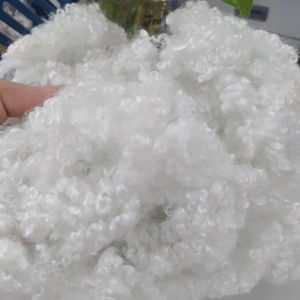
Applications of Building Material Chemical Lignin Wood Cellulose Fiber For Asphalt Concrete Reinforcement Thickening Crack Resistance
Boost Asphalt Performance with Natural Fiber Innovation
Lagbara, Tougher Roadways Beginning with Lignin Timber Cellulose Fiber
Building contractors and road teams need dependable materials that withstand rush hour and severe weather condition. That’s where lignin timber cellulose fiber is available in. This natural fiber comes from timber and is specifically dealt with for use in asphalt concrete. It mixes conveniently into warm asphalt and spreads out equally throughout the mix.
When included in asphalt, the fiber acts like a reinforcing web inside the sidewalk. It holds the product together better. This implies fewer splits form over time. Roadways stay smoother longer, also under consistent tension from lorries or temperature swings.
The fiber likewise assists thicken the asphalt binder. A thicker binder sticks far better to stones and sand in the mix. This decreases the chance of raveling– when tiny stones stand out loose from the surface area. Better attachment means a longer-lasting road with less maintenance.
Since it’s made from sustainable wood resources, this fiber is an environment-friendly option. It replaces synthetic ingredients without giving up performance. Professionals discover it easy to handle and dosage during mixing. Ko si ohun elo alailẹgbẹ ti a nilo.
Area tests reveal clear benefits: sidewalks with lignin wood cellulose fiber stand up to exhaustion breaking much better than typical blends. They also deal with water damages more effectively. Water can’t permeate in as quickly since the fiber assists secure small gaps in the asphalt matrix.
Cities, regions, and personal developers utilize this fiber in car park, awọn ọna opopona, opopona, and flight terminal runways. It functions well in both brand-new builds and overlays. The outcome is a sturdy surface that saves cash gradually by reducing repairs and resurfacing.
Lignin timber cellulose fiber gives you an easy means to update asphalt high quality using nature-based scientific research. It’s sensible, proven, and all set for real-world use today.
Ile-iṣẹ Ifihan
Kaabo si Nja ati Die e sii, a asiwaju olupese ti ga-išẹ nja admixtures, pẹlu wa Ere nja omi idinku. Pẹlu awọn ọdun ti iriri ni ọja agbaye, ti a nse to ti ni ilọsiwaju solusan še lati mu awọn didara ati ṣiṣe ti ikole ise agbese agbaye. Awọn ile-iṣẹ iṣelọpọ ipo-ti-aworan wa ni idaniloju awọn ọja ti o ga julọ ti o ni ibamu pẹlu awọn iṣedede agbaye. A igberaga ara wa lori exceptional onibara iṣẹ, oluranlowo lati tun nkan se, ati awọn solusan ti a ṣe deede lati pade awọn iwulo iṣẹ akanṣe. Ṣe alabaṣepọ pẹlu wa fun igbẹkẹle, aseyori, ati iye owo-doko nja admixtures ti o wakọ rẹ ise agbese siwaju. Ṣawari diẹ sii ni www.concreteandmore.de/. Jẹ ki a kọ ọjọ iwaju papọ!
Ti o ba ni ibeere eyikeyi, jọwọ lero free lati kan si wa.
Awọn ọna isanwo
T/T, Western Union, Paypal, Kaadi Kirẹditi ati bẹbẹ lọ.
Awọn ọna gbigbe
Nipa afẹfẹ, nipa okun, nipa kiakia, bi awọn onibara beere.
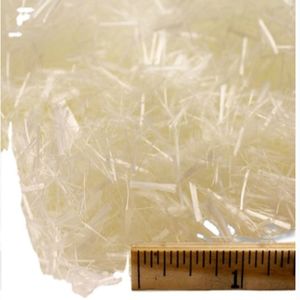
5 FAQs of Building Material Chemical Lignin Wood Cellulose Fiber For Asphalt Concrete Reinforcement Thickening Crack Resistance
Awọn ibeere Nigbagbogbo: Lignin Wood Cellulose Fiber for Asphalt Concrete
What is lignin wood cellulose fiber?
Lignin wood cellulose fiber comes from natural wood. O ti wa ni a itanran, organic fiber used in asphalt concrete. This fiber helps improve the performance of road surfaces.
How does it strengthen asphalt concrete?
The fiber mixes evenly into hot asphalt mix. It holds the binder and aggregates together better. This makes the asphalt stronger and more stable under heavy traffic or high temperatures.
Does it help prevent cracks?
Bẹẹni. The fiber reduces shrinkage during cooling. It also adds flexibility to the asphalt layer. These actions lower the chance of thermal and fatigue cracking over time.
Ṣe o jẹ ailewu fun ayika?
Bẹẹni. The fiber is made from renewable wood sources. Ko ni awọn kemikali ipalara. It breaks down naturally and does not pollute soil or water.
How is it added to asphalt mix?
Contractors add the fiber directly into the mixing drum with other materials. Iwọn deede jẹ 0.3% si 0.5% nipa àdánù ti lapapọ illa. Ko si ohun elo pataki ti a nilo. The fiber disperses quickly and evenly during standard mixing.
BERE ORO
Awọn ọja ti o jọmọ
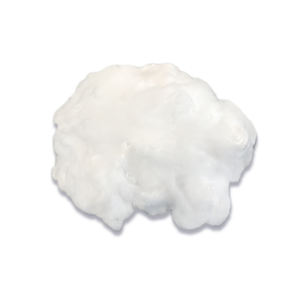
Fireproof Active Carbon Concrete Fiber Felt for Solvent Recovery
Giga Fifẹ Fikun Nja Irin Ikole Ejò Micro Irin Okun Ti a bo Hooked Ipari Irin Fiber Irin Okun Okun

PP Fiber Didara Didara Nja Makiro Polyester PP Fiber Sintetiki PP Twisted Fiber Polypropylene
Nja Irin Nja Okun Factory iṣelọpọ High Erogba Irin Micro Ejò Ti a bo Irin Okun
Okun irin le ṣee lo fun afara nja ilẹ mejeeji ati pavement
