Li-additives tsa Konkreite tse bobebe | Li-Agents tse Foaming tse Phahameng ka ho Fetisisa bakeng sa Konkreite ea Cellular

LITLHAKISO TSA LITŠOANTŠISO
Tlhaloso
Overview of Heat Insulation Aerogel Blanket for General Industrial Use
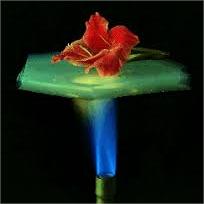
Heat Insulation Aerogel Blanket for General Industrial Use is a synthetic porous ultralight material derived from a gel, moo motsoako oa mokelikeli o nketsoeng sebaka ke khase. Sephetho ke se tiileng se nang le letsoalo le tlase haholo le conductivity e tlase ea mocheso, hangata e bitsoang ka sefane “mosi o hoammeng.” Ho sa tsotellehe ponahalo ea eona e fokolang, e ka etsoa hore e be matla ka tsela e makatsang, e tšoereng sehlooho sa thepa e tiileng ka ho fetisisa e sireletsang lefatše.
Features of Heat Insulation Aerogel Blanket for General Industrial Use
-
Boemo bo tlase ka ho Fetisisa ba Mocheso oa Lefatše: E fana ka ts'ebetso ea insulation e ke keng ea lekanngoa, e phahametseng lisebelisoa tsa setso.
-
Tekano e Tlase Haholo: E 'ngoe ea lisebelisoa tse thata ka ho fetisisa tse tsejoang ke motho, ka sebopeho sa ho fihlela ho 99.8% moea.
-
Sebaka se Phahameng se Phahameng: E na le sebaka sa ka hare se seholo ka mokhoa o makatsang, ho etsa hore e be ea bohlokoa bakeng sa lits'ebetso tsa ho tlhotla le ho monya.
-
Sebopeho se Fetohang: E ka etsoa ka thepa e fapaneng, ho akarelletsa le silika, khabone, le li-oxide tsa tšepe, e 'ngoe le e' ngoe e na le thepa e ikhethang.
-
Porosity e ikhethang: Sebopeho sa eona sa nanoporous se ikarabella bakeng sa bokhoni ba eona bo ikhethang ba ho sireletsa.

Ho roala ha Airgel
Specifications of Heat Insulation Aerogel Blanket for General Industrial Use
Warm Insulation Aerogel Blanket– General Industrial Specs
Sebopeho sa Lintho
This blanket is made from silica aerogel ingrained in an adaptable fiber reinforcement. The core product mores than 90% moea, which provides it extremely reduced thermal conductivity. The outer layers make use of long lasting glass or ceramic fibers to add strength and handleability.
Katleho ea Mocheso
The thermal conductivity arrays from 0.013 ho 0.020 W/(m · K) mocheso oa kamore. This performance remains secure throughout a broad temperature range– ho tloha -200 ° C hoo e ka bang 650 °C. It provides exceptional heat retention and protection against severe cool or warm.
Lintho Tsa 'Mele
Density options kenyeletsa 3 mm, 6 mm, 10 mm, le 15 mm. Criterion widths are 610 mm kapa 1220 mm, ka boholo ba tloaelo bo fumanehang habonolo. The blanket is light-weight, very easy to cut, and fits firmly around pipes, lijana, and irregular surface areas without losing insulation value.
Fire and Safety And Security Ratings
It is non-combustible and fulfills ASTM E136 standards for fire security. The material does not release harmful fumes when subjected to high heat. It likewise withstands mold and mildew, metsi, and the majority of commercial chemicals.
Lintlha tsa Tikoloho le Ts'ebetso
No binders or blowing representatives are made use of in production. The item has no CFCs, Li-HCFCs, or various other ozone-depleting substances. Customers should put on gloves and eye security throughout setup to avoid skin or eye irritation from loosened fibers.
Sebaka sa ho paka le sa Polokelo
Blankets are rolled and packed in plastic-wrapped cardboard boxes. Boloka ka ho feletseng omileng, covered area far from straight sunlight and wetness. Maintain sealed until on-line to preserve optimum efficiency.

Applications of Heat Insulation Aerogel Blanket for General Industrial Use
Applications of Warmth Insulation Aerogel Covering for General Industrial Usage
Superior Thermal Defense in Difficult Atmospheres
Aerogel coverings offer unequaled warm insulation for a wide range of industrial settings. These lightweight products manage extreme temperatures while staying versatile and very easy to set up. Lifeme, lisebelisoa tsa ho hloekisa, and power plants count on them to cut power loss and improve safety.
Pipeline and Tools Insulation
Pipes bring warm liquids or steam lose a great deal of heat without proper covering. Aerogel coverings wrap firmly around pipes, li-valve, and fittings. They reduce surface area temperatures and reduced the threat of burns. Their thin account saves space where room is limited– something traditional insulation can not match.
High-Temperature Refine Units
In heaters, li-reactor, and purification columns, consistent temperature control issues. Airgel insulation keeps heat inside where it belongs. This improves procedure effectiveness and cuts gas usage. The material stays stable even over 650 °C (1200 ° F), making it optimal for requiring operations.
Fire Security and Security
Safety is a leading issue in any plant. Aerogel coverings are non-combustible and withstand flame spread. They help protect essential equipment throughout fire occasions and provide workers even more time to react. Their low smoke exhaust also sustains cleaner evacuation routes.
Power Cost Savings and Sustainability
Decreasing warmth loss implies less energy squandered. Airgel insulation lowers operational expenses by keeping systems running effectively. It likewise supports sustainability objectives by cutting carbon discharges linked to excess gas burning. Many centers see a rapid roi after changing to aerogel-based remedies.
Boemo ba Khoebo
Re moetapele oa lefats'e oa konkreite e bobebe le tharollo ea foam e tsoetseng pele. E tsebahala lefatšeng ka bophara ka boitlamo ba eona ba ho etsa lipatlisiso, popontshwa, le botsebi bo sebelisitsoeng, esale re fana ka tharollo ea foam e entsoeng ka boenjiniere ho tloha qalong ea 2012.
Re ka fana ka motsoako oa boleng bo holimo oa konkreite le lihlahisoa tse amanang le konkreite ea foam lefatšeng ka bophara.
Khampani e na le lefapha la litsebi tsa theknoloji le lefapha la tlhokomelo ea boleng, laboratori e nang le lisebelisoa hantle, hape e na le lisebelisoa tse tsoetseng pele tsa tlhahlobo le setsi sa litšebeletso tsa bareki ka mor'a thekiso.
Haeba u thahasella, ka kopo ikutloe u lokolohile 'me u ikopanye le rona.
Tefo
T/T, phetiso ea chelete e bitsoang western union, Paypal, Credit Card etc.
Thomello
Ka moea, ka leoatle, ka Express, joalo ka ha bareki ba kopa.

5 FAQs of Heat Insulation Aerogel Blanket for General Industrial Use
Frequently Asked Questions About Heat Insulation Aerogel Blanket
What is an aerogel blanket?
An aerogel blanket is a lightweight insulation material made from silica aerogel and reinforced with fibers. E tšoara moea ka masobeng a manyenyane, e diehisang phetiso ya mocheso. Sena se etsa hore e sebetse haholo ho boloka mocheso o kene kapa o tsoa.
Ke hobane'ng ha u sebelisa airgel ho e-na le ho kenya letsoho ho tloaelehileng?
Aerogel blankets offer much better insulation in a thinner layer. They take up less space but perform as well as or better than thicker materials like mineral wool or fiberglass. They also resist moisture and do not corrode pipes or equipment.
Is the aerogel blanket safe to handle?
Ee. The blanket is designed for industrial use and comes with a protective facing that reduces dust and skin contact. Workers should still wear gloves and long sleeves during installation, joalo ka lihlahisoa tse ling tsa insulation.
Kobo ena e ka sebelisoa hokae?
It works well on pipes, li-valve, litanka, and ducts in oil and gas, limela tsa lik'hemik'hale, diteishene tsa motlakase, le lisebelisoa tsa tlhahiso. It performs reliably in both high-heat and cryogenic applications, from -200°C to over 650°C.
Insulation e nka nako e kae?
When installed correctly and protected from physical damage, the aerogel blanket maintains its performance for many years. Ha e tsitsa, honyela, or degrade under normal operating conditions. Its structure stays stable over time, kahoo u ke ke ua hloka tse ncha khafetsa.
KOPO KHOPO
LIHLAHISO TSE HLAHANG

Li Rolls tsa Airgel tse Se nang Lerōle tse 10mm 20mm tse Tenya bakeng sa Kaho ea Marulelo a Lebota le Insulation ea fatše
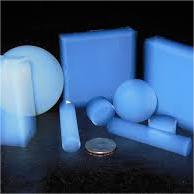
Reinforced Aerogel Blanket Used as Building Insulation for Energy Efficiency

Thermal Insulation ea Nano Airgel 3mm 6mm 10mm Blanket
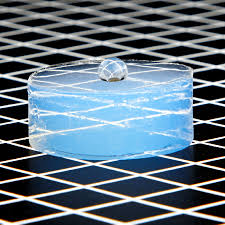
Phepelo 98 Peresente 99 Peresente ea Airgel Powder le Airgel Insulation Granule
Airgel Thermal Insulation Blanket Low Thermal Conductivity Airgel Insulation Cotton le Film