


Li-additives tsa Konkreite tse bobebe | Li-Agents tse Foaming tse Phahameng ka ho Fetisisa bakeng sa Konkreite ea Cellular

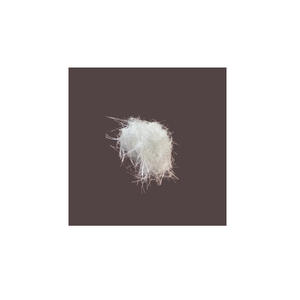
LITLHAKISO TSA LITŠOANTŠISO
Tlhaloso
Overview of Chopped Basalt Concrete Fiber for Construction Reinforcement Cut Basalt Fiber Strand from Basalt Fiber Roving
Bakeng sa khanyetso e phahameng, re fana ka Steel Fibers, sebaka se loketseng bakeng sa letlooeng la terata le cheselitsoeng mekatong ea liindasteri le lintho tse entsoeng esale pele. Re boetse re fana ka li-Structural Synthetic Fibers tse khethehileng tse fanang ka matla a phahameng a ts'ebetso bakeng sa lits'ebetso tse batloang haholo. Likhoele tsena li hasane ka mokhoa o ts'oanang ho pholletsa le motsoako oa konkreite, ho theha marang-rang a matlafatso a mahlakore a mangata ao mekhoa ea setso e ke keng ea e finyella. Mokhoa ona o kopaneng o nolofatsa kaho, potlakisa ho beha, le ho matlafatsa botšepehi bo akaretsang le bophelo bo bolelele ba konkreite, ho fana ka karabo ea sejoale-joale ho mathata a khale a ho petsoha le ho tšoarella.
Features of Chopped Basalt Concrete Fiber for Construction Reinforcement Cut Basalt Fiber Strand from Basalt Fiber Roving
1. Taolo e Phahameng ea Crack le Matla a Matlafalitsoeng:
Ntho ea mantlha ea likhoele tsa rona ke bokhoni ba bona ba ho koala mapetso a manyane a hlahang nakong ea polasetiki le mapetsong a maholo a konkreite e thata.. Phatlalatso ena ea mahlakore a mararo e theha matrix e momahaneng haholoanyane e hananang le phatlalatso ea crack. Melemo e tobileng ke ho fokotseha ho hoholo ha ho phunyeha ha polasetiki ka bobeli le bophara ba nako e telele. Sena se lebisa ho konkreite e tšoarellang haholo e nang le matla a tlase, seo ka sona se matlafatsang kganetso ya metsi a kenang, tshenyo ya ho qhoqhoa, le ho bola ha tšepe efe kapa efe e kentsoeng. Sephetho ke sebopeho se nang le nako e telele ea tšebeletso le litšenyehelo tse fokolitsoeng tsa tlhokomelo.
2. Keketseho ea Tšusumetso le Khahlano ea Abrasion:
Likhoele, haholo-holo tšepe le li-macro fibers tse matla tsa maiketsetso, ntlafatsa haholo ho tiea ha konkreite le ts'ebetso ea kamora ho phatloha. Li monya le ho aba matla ha li ama kapa ha li laeloa. Tšobotsi ena e fana ka molemo oa sebaka se tsitsitseng haholoanyane se sa rateheng ho spalling, ho qhetsola, le abrasion tlas'a sephethephethe se seholo kapa moaparo oa mochini. Ena ke monyetla oa bohlokoa bakeng sa mekato ea indasteri, litselana tsa polokelo, le diporojeke tsa mafaratlhatlha, e lebisang sebakeng se apereng ka thata haholo se bolokang botshepehi ka nako.
3. Sebetsa sa Kaho le Poloko ea Litšenyehelo:
Tšobotsi ea bohlokoa ea ho sebelisa fiber reinforcement ke ho felisoa ha letlooeng le cheselitsoeng (WWF) lits'ebetsong tse ngata. Sena se fana ka melemo e mengata sebakeng sa marang-rang: e nolofatsa ho beha, kaha ha ho na mesh e lokelang ho hlongoa kapa e ka tlosoang, mme e akofisa tshebetso yohle ya kaho. Ka ho tlosa mohato o boima oa mosebetsi, merero e bona litšenyehelo tse fokotsehileng tsa basebetsi le linako tse potlakileng tsa merero. Kabo e tšoanang ea likhoele e boetse e tiisa matlafatso e tsitsitseng ho pholletsa le karolo eohle ea konkreite, ho fapana le letlooeng, e ka bewang ka tsela e sa lokang, se lebisang tshebetsong e tshepehang le e lebelloang.

Specification of Chopped Basalt Concrete Fiber for Construction Reinforcement Cut Basalt Fiber Strand from Basalt Fiber Roving
Chopped Lava Concrete Fiber– High-Performance Support for Building And Construction
Tlhahlobo ea Ntho
Sliced lava concrete fiber is made from continuous basalt fiber roving that has been reduced right into brief, uniform sizes. This fiber serves as a reputable reinforcement product in concrete, seretse, le lihlahisoa tse ling tse thehiloeng ho samente. It enhances stamina, ho tsitsa, and fracture resistance without the requirement for steel mesh or synthetic choices.
Lekunutu le kenyeletsa
Fiber e hanyetsana le alkali 'me e tlamahane hantle le matrices a konkreite. Ha e ruse, bofokoli, kapa ho senyeha ha nako, also in extreme atmospheres. Each hair maintains constant size and size, ensuring also circulation throughout the mix. The surface area of the fiber is specially dealt with to boost attachment with binders, which helps in reducing micro-cracking throughout curing and service life.
Litlhaloso tsa Tekheniki
Typical fiber lengths vary from 6 mm ho 25 mm, e nang le boholo bo mahareng 10 le 15 li-micrometer. Matla a thata aa feta 2,000 MPa, and elastic modulus is around 89 Karolelano ea lintlha tsa mophato. The melting point is above 1,450 °C, making it stable under heats. Fibers satisfy international requirements for usage in architectural and non-structural applications, including roadways, marokho, likarolo tsa precast, le shotcrete.
Advantages in operation
Including sliced lava fiber to concrete rises impact resistance and reduces shrinking cracks. It also enhances workability and pumpability of fresh blends. Professionals find it simple to deal with– just add straight during batching. No unique devices or mixing treatments are required. The fibers distribute uniformly and do not sphere up, which makes certain constant performance across sets.
Tikoloho & Security Advantages
Basalt fiber comes from all-natural volcanic rock. It contains no damaging additives and creates no toxic emissions during production or usage. Workers can manage it safely without additional safety gear beyond typical building PPE. The material supports sustainable structure goals by extending life span and reducing maintenance requirements.
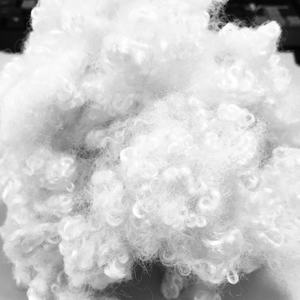
Applications of Chopped Basalt Concrete Fiber for Construction Reinforcement Cut Basalt Fiber Strand from Basalt Fiber Roving
Applications of Chopped Basalt Concrete Fiber
Stronger Concrete with Natural Fibers
Sliced basalt concrete fiber originates from basalt rock. The rock is thawed and spun right into fine strands. These hairs are after that cut into brief items. Contractors blend these fibers into concrete, seretse, kapa samente. This straightforward step makes the final material a lot harder.
Why use lava fibers? They resist heat, lik'hemik'hale, le mafome. Ho fapana le likhoele tsa tšepe, ha li ruse. This implies structures last longer, also in rough climate or salted atmospheres. Basalt fibers also assist regulate little splits that create as concrete dries or reduces.
Moo E Sebelisitsoeng
Contractors add chopped lava fiber to lots of typical construction items. You’ll locate it in precast concrete panels, liphaephe, and manhole covers. It works well in industrial floorings that face rush hour or impact. Road contractors use it in overlays and bridge decks to reduce fracturing. It additionally enhances shotcrete utilized in tunnels and inclines.
In residential work, the fiber boosts stucco, ceramic tile backer boards, le liretse tse tšesaane. It helps wall surfaces and floors stay smooth and crack-free in time. Since the fibers blend evenly, there’s no clumping or balling like some synthetic fibers.
Ho Bonolo ho Sebelisa, Liphello tse Molemo
Including chopped basalt fiber needs no unique tools. Just throw it into the mixer with other components. The fibers spread out through the mix on their own. This conserves time and labor on site. Employees don’t require additional training.
The result is a more long lasting surface that handles stress much better. It bends somewhat without breaking. That is necessary for earthquake areas or places with ground movement. Mme hape, basalt is an all-natural material. It’s green and safe to handle.
Builders choose cut basalt fiber since it’s trustworthy, easy to utilize, and enhances performance without increasing costs too much.
Boemo ba Khoebo
Re moetapele oa lefats'e oa konkreite e bobebe le tharollo ea foam e tsoetseng pele. E tsebahala lefatšeng ka bophara ka boitlamo ba eona ba ho etsa lipatlisiso, popontshwa, le botsebi bo sebelisitsoeng, esale re fana ka tharollo ea foam e entsoeng ka boenjiniere ho tloha qalong ea 2012.
Re ka fana ka motsoako oa boleng bo holimo oa konkreite le lihlahisoa tse amanang le konkreite ea foam lefatšeng ka bophara.
Khampani e na le lefapha la litsebi tsa theknoloji le lefapha la tlhokomelo ea boleng, laboratori e nang le lisebelisoa hantle, hape e na le lisebelisoa tse tsoetseng pele tsa tlhahlobo le setsi sa litšebeletso tsa bareki ka mor'a thekiso.
Haeba u thahasella, ka kopo ikutloe u lokolohile 'me u ikopanye le rona.
Tefo
T/T, phetiso ea chelete e bitsoang western union, Paypal, Credit Card etc.
Thomello
Ka moea, ka leoatle, ka Express, joalo ka ha bareki ba kopa.

5 FAQs of Chopped Basalt Concrete Fiber for Construction Reinforcement Cut Basalt Fiber Strand from Basalt Fiber Roving
Frequently Asked Questions About Chopped Basalt Concrete Fiber
What is chopped basalt fiber used for?
Chopped basalt fiber reinforces concrete and other building materials. Bahahi ba e kopanya ka samente, seretse, or plaster to reduce cracks and boost strength. E sebetsa hantle fatše, mabota, liphaephe, le likarolo tsa precast.
E ntlafatsa joang konkreite?
Likhoele li hasana ka ho lekana ka motsoako. Ba tšoara boitsebiso hammoho ha khatello ea kelello kapa ho fokotseha ho etsahala. This cuts down on tiny cracks and stops them from growing. Sephetho se thata haholoanyane, longer-lasting concrete that resists impact and wear better.
Na fiber ea basalt e bolokehile ho sebetsa?
Ee. Basalt fiber e tsoa lefikeng la tlhaho la seretse se chesang. It has no harmful chemicals. It does not irritate skin like some synthetic fibers. Workers can mix and place it without special safety gear beyond standard site protection.
Can it replace steel or plastic fibers?
It can work instead of steel or plastic fibers in many cases. Basalt fiber ha e ruse joaloka tšepe. It also handles heat and chemicals better than most plastics. It gives similar or better performance with easier mixing and no corrosion risk.
Ke lokela ho kenya fiber e kae motsoakong oa ka?
Typical doses range from 0.5 ho 3 lik'hilograma ka cubic meter ea konkreite. The right amount depends on your project’s needs—like strength, taolo ya petso, or surface finish. Always follow the manufacturer’s guide or test small batches first to get the best results.
KOPO KHOPO
LIHLAHISO TSE HLAHANG
Hongshengyuan High Quality Polypropylene Fibre High-Strength Anti-Cracking Material of Fabrication Services Sehlahisoa
Concrete Additive Cellulose Concrete Fiber ho Ntlafatsa Crack Resistance of Concrete

Fiberglass Mesh Roll for Wall Plastering China Best Alkali Resistant Siva Filesi for Turkey

Lisebelisoa tsa Kaho tsa Concrete Fiber Wave
TB brass coated micro steel fiber konkreite
