


Te mau tao'a tahi mâmâ | Te mau rave'a haaparareraa parau teitei no te cellular concrete

TE MAU PARAMETERS
Tuʻaroʻa
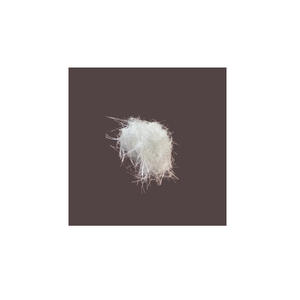
Overview of Chopped Basalt Concrete Fiber for Construction Reinforcement Cut Basalt Fiber Strand from Basalt Fiber Roving
No te pato'iraa rahi, te horo'a nei matou i te mau hu'ahu'a Steel, te hoê monoraa maitai roa no te mau uira arapoa i ni'a i te tahua fare hamaniraa tauihaa e te mau hu'ahu'a. Te horoa atoa nei matou i te mau hu'ahu'a Synthetic taa ê o te horoa i te puai rahi no te mau faaohiparaa fifi. E parare hoê â teie mau hu'ahu'a i roto i te amuiraa sima, te haamauraa i te hoê faanahoraa haapuairaa rahi o te ore e nehenehe e ravehia e te mau rave'a anamua. Na teie faanahoraa taa ê e faaohie i te paturaa, haavitiviti te tuuraa, e te haamaitai i te taiva ore e te oraraa roa o te raima, Te horo'araa i te hoê pahonoraa apî i te mau fifi o te mau fifi tahito e te mau fifi.
Features of Chopped Basalt Concrete Fiber for Construction Reinforcement Cut Basalt Fiber Strand from Basalt Fiber Roving
1. Te faatereraa hau a'e e te vai - maitai - raa:
Te huru matamua o to tatou mau hu'ahu'a, o to ratou ïa aravihi no te faatumu i ni'a i te mau hu'ahu'a iti e tupu mai i roto i te huru hu'ahu'a e te mau hu'ahu'a rahi a'e i roto i te raima. E faatupu teie purara e toru ahu i te hoê matrix taa ê a'e o te pato'i i te parareraa o te mau hu'ahu'a. Te maitai ti'a'tu, o te hoê ïa faaitiraa rahi i te mau hu'ahu'a hu'ahu'a e te rahi o te hu'ahu'a. E faatupu te reira i te hoê raima papû a'e e te iti a'e o te permeability, o te faarahi ïa i te aravihi no te patoi i te pape, Te faainoraa, e te vavahiraa o te mau fetia atoa. Te faahopearaa, o te hoê ïa haamauraa e oraraa taviniraa roa a'e e te haamau'araa iti a'e.
2. Te faarahiraa o te mau faahopearaa e te patoiraa i te abrasion:
Te mau hu'ahu'a, i te pae iho â râ o te mau hu'ahu'a macro e te mau hu'ahu'a macro, ia haamaitai rahi i te etaeta o te raima e te ha'utiraa i muri mai i te reira. E huti ratou e e opere ratou i te ito i muri a'e i te mau faahopearaa aore ra te mau hopoia. E horoa teie huru i te maitai o te hoê mata etaeta a'e o te ore e nehenehe e vavahi, chipping, e te vavahiraa i raro a'e i te pereoo uira rahi aore ra i te mau ahu matini. E tuhaa faufaa roa teie no te mau tahua hamaniraa tauihaa, Te mau purumu no te fare vairaa tauihaa, e te mau opuaraa paturaa, e arata'i atu i ni'a i te hoê vahi etaeta a'e o te tape'a i to'na haapa'o maitai i te roaraa o te taime.
3. Te aravihi no te paturaa i te fare e te haaputuputuraa moni:
Te hoê tuhaa rahi o te faaohiparaa i te mau hu'ahu'a, o te faaoreraa ïa i te mau arapoa (WWF) i roto i te mau faaohiparaa e rave rahi. E horo'a te reira i te mau maitai rahi i ni'a i te tahua itenati: te faaohie nei te reira i te tuuraa, no te mea ho'i e, aita e upe'a no te haamau e aore râ, no te faaru'e, e te haavitiviti te reira i te taatoaraa o te ohipa paturaa. Na roto i te iritiraa i te hoê taahiraa ohipa rahi, Te ite nei te mau opuaraa i te mau haamâu'araa no te ohipa e te mau taime vitiviti a'e. Te haapapu atoa ra te tufaraa hoê â o te mau hu'ahu'a i te hoê haapuairaa tamau i roto i te tuhaa raima taatoa, taa ê atu i te mesh, o te nehenehe e tuuhia i nia i te vahi tano ore, e arata'i atu i te hoê ha'utiraa e ti'aturihia a'e e e nehenehe e tohuhia.

Specification of Chopped Basalt Concrete Fiber for Construction Reinforcement Cut Basalt Fiber Strand from Basalt Fiber Roving
Chopped Lava Concrete Fiber– High-Performance Support for Building And Construction
Hi'opo'a i te tumu parau
Sliced lava concrete fiber is made from continuous basalt fiber roving that has been reduced right into brief, uniform sizes. This fiber serves as a reputable reinforcement product in concrete, te mori, e te tahi atu mau tao'a niuhia i ni'a i te sima. It enhances stamina, te paari, and fracture resistance without the requirement for steel mesh or synthetic choices.
Te mau mea ngaro
The fiber is alkali-resistant and bonds well with concrete matrices. Eita te reira e ino, te ino, e aore râ, ia ino i roto i te taime, also in extreme atmospheres. Each hair maintains constant size and size, ensuring also circulation throughout the mix. The surface area of the fiber is specially dealt with to boost attachment with binders, which helps in reducing micro-cracking throughout curing and service life.
Te mau haamaramaramaraa no ni'a i te rave'a aravihi
Typical fiber lengths vary from 6 mm 25 mm, with sizes in between 10 e 15 te mau micrometera. Tensile strength surpasses 2,000 MPa, and elastic modulus is around 89 Te faito au noa o te faito. The melting point is above 1,450 ° C, making it stable under heats. Fibers satisfy international requirements for usage in architectural and non-structural applications, including roadways, Te mau e'aturu, nga hu'ahu'a precast, e te.
Te mau maitai i roto i te faaohiparaa
Including sliced lava fiber to concrete rises impact resistance and reduces shrinking cracks. It also enhances workability and pumpability of fresh blends. Professionals find it simple to deal with– just add straight during batching. No unique devices or mixing treatments are required. The fibers distribute uniformly and do not sphere up, which makes certain constant performance across sets.
Environmental & Security Advantages
Basalt fiber comes from all-natural volcanic rock. It contains no damaging additives and creates no toxic emissions during production or usage. Workers can manage it safely without additional safety gear beyond typical building PPE. The material supports sustainable structure goals by extending life span and reducing maintenance requirements.
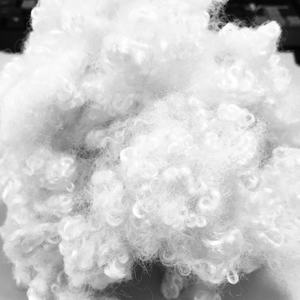
Applications of Chopped Basalt Concrete Fiber for Construction Reinforcement Cut Basalt Fiber Strand from Basalt Fiber Roving
Applications of Chopped Basalt Concrete Fiber
Stronger Concrete with Natural Fibers
Sliced basalt concrete fiber originates from basalt rock. The rock is thawed and spun right into fine strands. These hairs are after that cut into brief items. Contractors blend these fibers into concrete, te mori, e aore râ, te hu'ahu'a. This straightforward step makes the final material a lot harder.
Why use lava fibers? They resist heat, mau tao'a tahi, and rust. Taa ê noa'tu i te mau hu'ahu'a fetia, aita ratou e ino. This implies structures last longer, also in rough climate or salted atmospheres. Basalt fibers also assist regulate little splits that create as concrete dries or reduces.
Te vahi e faaohipahia ' i te reira
Contractors add chopped lava fiber to lots of typical construction items. You’ll locate it in precast concrete panels, nga paipa, and manhole covers. It works well in industrial floorings that face rush hour or impact. Road contractors use it in overlays and bridge decks to reduce fracturing. It additionally enhances shotcrete utilized in tunnels and inclines.
In residential work, the fiber boosts stucco, ceramic tile backer boards, and thin-set mortars. It helps wall surfaces and floors stay smooth and crack-free in time. Since the fibers blend evenly, there’s no clumping or balling like some synthetic fibers.
Mea ohie roa ia faaohipa, Te mau faahopearaa maitai a'e
Including chopped basalt fiber needs no unique tools. Just throw it into the mixer with other components. The fibers spread out through the mix on their own. E faaherehere te reira i te taime e te ohipa i nia i te tahua itenati. Employees don’t require additional training.
The result is a more long lasting surface that handles stress much better. It bends somewhat without breaking. That is necessary for earthquake areas or places with ground movement. E atoa, basalt is an all-natural material. It’s green and safe to handle.
Builders choose cut basalt fiber since it’s trustworthy, easy to utilize, and enhances performance without increasing costs too much.
Hoho'a o te Taiete
O tatou te ti'a faatere o te ao nei i roto i te mau rave'a no te faatitiaifaro i te mau rave'a hamaniraa tauihaa. Ua matau - maitai - hia oia na te ao nei no to ' na fafauraa i te maimiraa, Fa'aterehia, e te ite aravihi, mai te omuaraa mai â o te mau matahiti 2012 mai â, ua horo'a matou i te mau rave'a no te faatitiaifaro i te mau fifi.
Na te ao taatoa nei, e nehenehe ta tatou e horo'a i te mau tao'a faaineineraa ti'a teitei e te mau tao'a hu'ahu'a.
E tuhaa ohipa aravihi to te taiete e te hoê tuhaa fenua no te hi'opo'araa i te maitai, te hoê piha maimiraa tei faaineine-maitai-hia, e te mau rave'a hi'opo'araa aravihi e te hoê pû taviniraa i muri a'e i te hooraa.
Mai te mea e, te anaanatae ra outou, A faaite mai ia matou.
Aufau
T/T, Tooa o te râ, Paypal, Tareta tarahu etc.
Te tonoraa
Na roto i te reva, na te moana, na roto i te faaiteraa, mai ta te feia hoo tao'a e ani ra.

5 FAQs of Chopped Basalt Concrete Fiber for Construction Reinforcement Cut Basalt Fiber Strand from Basalt Fiber Roving
Frequently Asked Questions About Chopped Basalt Concrete Fiber
What is chopped basalt fiber used for?
Chopped basalt fiber reinforces concrete and other building materials. Builders mix it into cement, te mori, or plaster to reduce cracks and boost strength. E ohipa maitai te reira i nia i te tahua, patu, nga paipa, e te mau tuhaa.
Nahea te reira ia haamaitai i te raima?
E parare noa te mau hu'ahu'a na roto i te anoiraa. They hold the material together when stress or shrinkage happens. This cuts down on tiny cracks and stops them from growing. E mea fifi a'e te faahopearaa, longer-lasting concrete that resists impact and wear better.
Is basalt fiber safe to handle?
ae. Basalt fiber comes from natural volcanic rock. It has no harmful chemicals. It does not irritate skin like some synthetic fibers. Workers can mix and place it without special safety gear beyond standard site protection.
Can it replace steel or plastic fibers?
It can work instead of steel or plastic fibers in many cases. Basalt fiber does not rust like steel. It also handles heat and chemicals better than most plastics. It gives similar or better performance with easier mixing and no corrosion risk.
Ehia rahiraa hu'ahu'a e ti'a ia'u ia amui atu i roto i ta'u amuiraa?
Typical doses range from 0.5 a 3 kilo i te metera cubic o te raima. The right amount depends on your project’s needs—like strength, te faatereraa i te mau hu'ahu'a, or surface finish. Always follow the manufacturer’s guide or test small batches first to get the best results.
A TINIRAA I TE HOÊ PARAU
TE MAU HOPO'A FAATAA
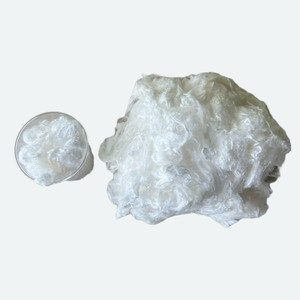
Te mau rave'a hamaniraa tauihaa no te mau hu'ahu'a PP no te mau hu'ahu'a no te mau hu'ahu'a

Te taato'araa o te mau rave'a hamaniraa tauihaa teitei Polypropylene Monofilament
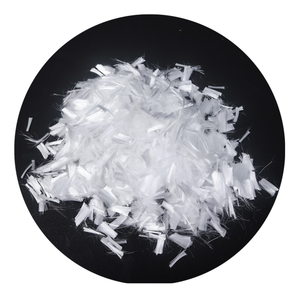
Te mau pepe o te mau hu'ahu'a hi'o

Te huru papa'iraa fare hamaniraa tauihaa 100 Te faito i ni'a i te hanere o te mau tao'a no te faaî i te mau hu'ahu'a Polypropylene
Te mau hu'ahu'a polyester 3mm/12mm no te mau hu'ahu'a tensile