Te mau tao'a tahi mâmâ | Te mau rave'a haaparareraa parau teitei no te cellular concrete

TE MAU PARAMETERS
Tuʻaroʻa
Overview of Filament Wound Fiberglass Tubes
No te pato'iraa rahi, te horo'a nei matou i te mau hu'ahu'a Steel, te hoê monoraa maitai roa no te mau uira arapoa i ni'a i te tahua fare hamaniraa tauihaa e te mau hu'ahu'a. Te horoa atoa nei matou i te mau hu'ahu'a Synthetic taa ê o te horoa i te puai rahi no te mau faaohiparaa fifi. E parare hoê â teie mau hu'ahu'a i roto i te amuiraa sima, te haamauraa i te hoê faanahoraa haapuairaa rahi o te ore e nehenehe e ravehia e te mau rave'a anamua. Na teie faanahoraa taa ê e faaohie i te paturaa, haavitiviti te tuuraa, e te haamaitai i te taiva ore e te oraraa roa o te raima, Te horo'araa i te hoê pahonoraa apî i te mau fifi o te mau fifi tahito e te mau fifi.
Features of Filament Wound Fiberglass Tubes
1. Te faatereraa hau a'e e te vai - maitai - raa:
Te huru matamua o to tatou mau hu'ahu'a, o to ratou ïa aravihi no te faatumu i ni'a i te mau hu'ahu'a iti e tupu mai i roto i te huru hu'ahu'a e te mau hu'ahu'a rahi a'e i roto i te raima. E faatupu teie purara e toru ahu i te hoê matrix taa ê a'e o te pato'i i te parareraa o te mau hu'ahu'a. Te maitai ti'a'tu, o te hoê ïa faaitiraa rahi i te mau hu'ahu'a hu'ahu'a e te rahi o te hu'ahu'a. E faatupu te reira i te hoê raima papû a'e e te iti a'e o te permeability, o te faarahi ïa i te aravihi no te patoi i te pape, Te faainoraa, e te vavahiraa o te mau fetia atoa. Te faahopearaa, o te hoê ïa haamauraa e oraraa taviniraa roa a'e e te haamau'araa iti a'e.
2. Te faarahiraa o te mau faahopearaa e te patoiraa i te abrasion:
Te mau hu'ahu'a, i te pae iho â râ o te mau hu'ahu'a macro e te mau hu'ahu'a macro, ia haamaitai rahi i te etaeta o te raima e te ha'utiraa i muri mai i te reira. E huti ratou e e opere ratou i te ito i muri a'e i te mau faahopearaa aore ra te mau hopoia. E horoa teie huru i te maitai o te hoê mata etaeta a'e o te ore e nehenehe e vavahi, chipping, e te vavahiraa i raro a'e i te pereoo uira rahi aore ra i te mau ahu matini. E tuhaa faufaa roa teie no te mau tahua hamaniraa tauihaa, Te mau purumu no te fare vairaa tauihaa, e te mau opuaraa paturaa, e arata'i atu i ni'a i te hoê vahi etaeta a'e o te tape'a i to'na haapa'o maitai i te roaraa o te taime.
3. Te aravihi no te paturaa i te fare e te haaputuputuraa moni:
Te hoê tuhaa rahi o te faaohiparaa i te mau hu'ahu'a, o te faaoreraa ïa i te mau arapoa (WWF) i roto i te mau faaohiparaa e rave rahi. E horo'a te reira i te mau maitai rahi i ni'a i te tahua itenati: te faaohie nei te reira i te tuuraa, no te mea ho'i e, aita e upe'a no te haamau e aore râ, no te faaru'e, e te haavitiviti te reira i te taatoaraa o te ohipa paturaa. Na roto i te iritiraa i te hoê taahiraa ohipa rahi, Te ite nei te mau opuaraa i te mau haamâu'araa no te ohipa e te mau taime vitiviti a'e. Te haapapu atoa ra te tufaraa hoê â o te mau hu'ahu'a i te hoê haapuairaa tamau i roto i te tuhaa raima taatoa, taa ê atu i te mesh, o te nehenehe e tuuhia i nia i te vahi tano ore, e arata'i atu i te hoê ha'utiraa e ti'aturihia a'e e e nehenehe e tohuhia.

Specification of Filament Wound Fiberglass Tubes
Filament Injury Fiberglass Tubes– Te mau haamaramaramaraa no ni'a i te mau tao'a
Material and Building and construction
These tubes are made from high-strength fiberglass threads. The threads are specifically wound around a rotating mandrel. They are after that filled with premium-grade polyester or epoxy material. This process produces an uniform, seamless framework with excellent mechanical residential or commercial properties. The outcome is a lightweight yet stiff tube that stands up to corrosion, te, e te mau tao'a tahi e rave rahi.
Dimensions and Tolerances
Criterion outer sizes vary from 10 mm 300 mm. Wall surface densities differ from 1 mm 15 mm, ia au i te faaohiparaa. Lengths are generally available as much as 6 metres. Customized sizes can be produced upon request. Dimensional resistances satisfy ISO 2768-mK requirements for basic design objectives. Satiation and straightness are tightly controlled to make certain regular performance.
Mechanical Residences
The tensile stamina of these tubes surpasses 300 MPa. Flexural stamina is normally above 350 MPa. They supply a high strength-to-weight proportion– much better than many steels. The modulus of elasticity varieties from 20 a 40 Te faito au noa o te faito, based on fiber positioning and material kind. Impact resistance continues to be steady across a large temperature array.
Environmental Resistance
Filament wound fiberglass tubes execute well in severe settings. They do not corrosion or break down when subjected to deep sea, Te mau ati, e aore râ, te mau hu'ahu'a. Running temperatures vary from -40 ° C e +120 ° C continuously. UV-resistant coverings are offered for exterior usage to stop surface degradation in time.
Surface End Up and Options
The typical finish is smooth and shiny. Matte or distinctive coatings can be given if required. Tubes might include interior linings for fluid handling or electrical insulation. End installations, threading, or flanges can be added during manufacturing. Shade alternatives include all-natural white, black, grey, or personalized shades.

Applications of Filament Wound Fiberglass Tubes
Applications of Filament Wound Fiberglass Tubes
Light-weight Toughness for Requiring Settings
Filament wound fiberglass tubes provide a strong yet light-weight remedy for many markets. They stand up to rust, deal with high pressure, and last a long time– i roto atoa i te mau huru oraraa fifi. Because they do not rust or rot, these tubes function well where metal or timber would stop working.
Typical Uses Across Industries
I roto i te matete o te hinu e te mǎhu, these tubes work as risers, downhole devices, and pierce pipelines. Their resistance to chemicals and deep sea makes them optimal for overseas operations. Water treatment plants likewise rely upon them for piping systems that carry hostile fluids without breaking down over time.
The electric sector utilizes filament injury fiberglass tubes as shielding elements. They support busbars, function as transformer spacers, and protect high-voltage equipment. Their non-conductive nature maintains systems safe and efficient.
Aerospace and defense applications benefit from the tubes’ high strength-to-weight proportion. They show up in antenna poles, drone frames, and launch system parts. Every ounce conserved issues in flight, and fiberglass delivers performance without added weight.
Renewable resource projects– especially wind turbines– make use of these tubes in blade tooling and nacelle frameworks. Their dimensional security makes certain precision throughout manufacturing and dependable procedure in transforming weather.
Why Select Filament Wound Building And Construction?
The filament winding process wraps constant fibers around a turning mandrel with precise tension and positioning. This method creates consistent wall surface density and constant mechanical properties along the whole size. The result is a tube that executes predictably under stress, te piko, or pressure.
These tubes can be made in lengthy sizes with tight tolerances. Personalized sizes, wall surface thicknesses, and resin systems allow engineers to match the product to particular needs. Whether it’s UV resistance, fire retardancy, or thermal security, the right formulation is feasible.
Filament wound fiberglass tubes combine durability, te aravihi i te taui, e te aravihi. They solve design obstacles where standard materials fail. From deep underground to high in the sky, they offer reliable support anywhere stamina and light weight matter a lot of.
Hoho'a o te Taiete
O tatou te ti'a faatere o te ao nei i roto i te mau rave'a no te faatitiaifaro i te mau rave'a hamaniraa tauihaa. Ua matau - maitai - hia oia na te ao nei no to ' na fafauraa i te maimiraa, Fa'aterehia, e te ite aravihi, mai te omuaraa mai â o te mau matahiti 2012 mai â, ua horo'a matou i te mau rave'a no te faatitiaifaro i te mau fifi.
Na te ao taatoa nei, e nehenehe ta tatou e horo'a i te mau tao'a faaineineraa ti'a teitei e te mau tao'a hu'ahu'a.
E tuhaa ohipa aravihi to te taiete e te hoê tuhaa fenua no te hi'opo'araa i te maitai, te hoê piha maimiraa tei faaineine-maitai-hia, e te mau rave'a hi'opo'araa aravihi e te hoê pû taviniraa i muri a'e i te hooraa.
Mai te mea e, te anaanatae ra outou, A faaite mai ia matou.
Aufau
T/T, Tooa o te râ, Paypal, Tareta tarahu etc.
Te tonoraa
Na roto i te reva, na te moana, na roto i te faaiteraa, mai ta te feia hoo tao'a e ani ra.
5 FAQs of Filament Wound Fiberglass Tubes
Frequently Asked Questions About Filament Wound Fiberglass Tubes
What are filament wound fiberglass tubes made of?
These tubes are built using continuous glass fibers soaked in resin. The fibers wrap around a rotating mandrel in precise patterns. I muri a'e i to ' na faaoraraa, the result is a strong, lightweight tube with consistent wall thickness and high structural integrity.
Why choose filament wound tubes over other types?
Filament winding gives better control over fiber placement and resin content. This leads to higher strength-to-weight ratios compared to pultruded or hand-laid fiberglass. The process also ensures uniform quality along the full length of the tube.
Are these tubes resistant to corrosion?
ae. Fiberglass does not rust or corrode like metal. It holds up well against moisture, mau tao'a tahi, te pape tote, and many industrial solvents. This makes it ideal for harsh environments where metal would degrade quickly.
What industries use filament wound fiberglass tubes?
They are common in aerospace, moana, hinu e te mǎhu, electrical insulation, e te tamâraa i te pape ino. Their light weight, te maoro, and non-conductive properties suit many demanding applications—from drone arms to downhole tools.
Can these tubes be customized?
Mā'ohi roa. You can specify diameter, wall thickness, Raʻa, and resin type (like polyester, ester vinyl, epoxy). Special finishes, nga tae, or end fittings are also available. Custom winding angles can be used to meet exact load requirements.
A TINIRAA I TE HOÊ PARAU
TE MAU HOPO'A FAATAA

Te mau amuiraa hi'o no te fare hamaniraa uira
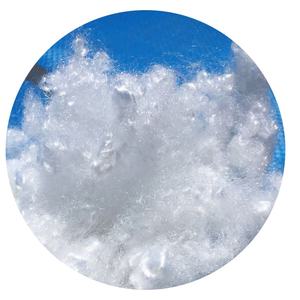
Te mau hu'ahu'a hu'ahu'a no te Dawnview Polypropylene

Te mau hu'ahu'a hi'opo'araa teitei Te puai teitei FRP Rebar
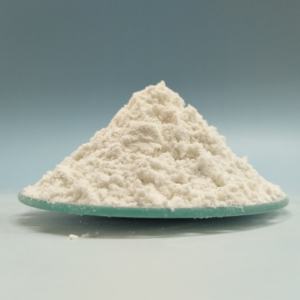
Te mau tao'a paturaa i te purumu no te mau tao'a paturaa i te purumu

Hot Factory Direct Supply Pp Pe Synthetic Fiber For Concrete