


Lightweight Nja Additives | Awọn aṣoju Fọmu Iṣe-giga fun Nja Cellular

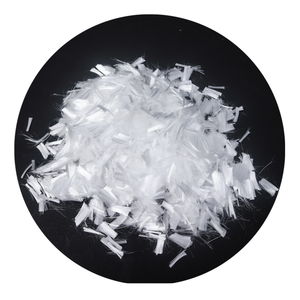
Ọja parameters
Apejuwe
Overview of Filament Wound Fiberglass Tubes
Fun ga-ipa resistance, ti a nse Irin Awọn okun, rirọpo pipe fun apapo okun waya welded ni awọn ilẹ ipakà ile-iṣẹ ati awọn eroja ti a ti sọ tẹlẹ. A tun pese awọn Fibers Sintetiki Igbekale pataki ti o funni ni agbara fifẹ giga fun awọn ohun elo ibeere. Awọn wọnyi ni awọn okun ti wa ni iṣọkan tuka jakejado nja illa, ṣiṣẹda nẹtiwọọki imuduro onisẹpo pupọ ti awọn ọna ibile ko le ṣaṣeyọri. Yi ese ona simplifies ikole, accelerates placement, ati ki o mu awọn ìwò iyege ati longevity ti awọn nja, pese idahun ode oni si jija ti ọjọ-ori ati awọn italaya agbara.
Features of Filament Wound Fiberglass Tubes
1. Iṣakoso Crack ti o ga julọ ati Imudara Imudara:
Ẹya akọkọ ti awọn okun wa ni agbara wọn lati ṣe afara mejeeji awọn dojuijako micro-cracks ti o dagba lakoko ipo ṣiṣu ati awọn dojuijako nla ni kọnkiti lile.. Pipin onisẹpo onisẹpo mẹta yii ṣẹda matrix isokan diẹ sii ti o tako itankale kiraki. Anfaani taara jẹ idinku pataki ninu jija ṣiṣu isunki mejeeji ati iwọn kiraki igba pipẹ. Eleyi nyorisi kan Elo diẹ ti o tọ nja pẹlu kekere permeability, eyi ti o ni Tan mu resistance si omi ingress, di-thaw bibajẹ, ati ipata ti eyikeyi ifibọ irin. Abajade jẹ eto pẹlu igbesi aye iṣẹ to gun ati awọn idiyele itọju dinku.
2. Ikolu ti o pọ si ati Resistance Abrasion:
Awọn okun, paapa irin ati ki o logan sintetiki Makiro awọn okun, bosipo mu awọn nja ká toughness ati ranse si-crack iṣẹ. Wọn fa ati pinpin agbara lori ipa tabi ikojọpọ. Ẹya ara ẹrọ yii n pese anfani ti aaye ti o ni atunṣe diẹ sii ti o kere si itọpa, chipping, ati abrasion labẹ eru ijabọ tabi darí yiya. Eyi jẹ anfani pataki fun awọn ilẹ ipakà ile-iṣẹ, ile ise pavements, ati amayederun ise agbese, ti o yori si aaye ti o ni wiwọ lile ti o ṣetọju iduroṣinṣin rẹ ni akoko pupọ.
3. Ṣiṣe Ikole ati Awọn ifowopamọ iye owo:
Ẹya bọtini kan ti lilo imuduro okun ni imukuro ti apapo waya welded (WWF) ni ọpọlọpọ awọn ohun elo. Eyi pese awọn anfani nla lori aaye: o simplifies placement, bi ko si apapo lati wa ni ṣeto soke tabi oyi nipo, ati awọn ti o accelerates gbogbo ikole ilana. Nipa yiyọ igbese-lekoko kan laala, ise agbese wo dinku laala owo ati yiyara ise agbese timelines. Pipin iṣọkan ti awọn okun tun ṣe idaniloju imuduro ibamu jakejado gbogbo apakan nja, ko apapo, eyi ti o le wa ni aibojumu gbe, yori si siwaju sii gbẹkẹle ati ki o asọtẹlẹ išẹ.

Specification of Filament Wound Fiberglass Tubes
Filament Injury Fiberglass Tubes– Awọn pato ọja
Material and Building and construction
These tubes are made from high-strength fiberglass threads. The threads are specifically wound around a rotating mandrel. They are after that filled with premium-grade polyester or epoxy material. This process produces an uniform, seamless framework with excellent mechanical residential or commercial properties. The outcome is a lightweight yet stiff tube that stands up to corrosion, omi tutu, ati ọpọlọpọ awọn kemikali.
Dimensions and Tolerances
Criterion outer sizes vary from 10 mm si 300 mm. Wall surface densities differ from 1 mm si 15 mm, da lori ohun elo. Lengths are generally available as much as 6 mita. Customized sizes can be produced upon request. Dimensional resistances satisfy ISO 2768-mK requirements for basic design objectives. Satiation and straightness are tightly controlled to make certain regular performance.
Mechanical Residences
The tensile stamina of these tubes surpasses 300 MPa. Flexural stamina is normally above 350 MPa. They supply a high strength-to-weight proportion– much better than many steels. The modulus of elasticity varieties from 20 si 40 Ite ojuami apapọ, based on fiber positioning and material kind. Impact resistance continues to be steady across a large temperature array.
Environmental Resistance
Filament wound fiberglass tubes execute well in severe settings. They do not corrosion or break down when subjected to deep sea, awọn acids, tabi alkalis. Running temperatures vary from -40 ° C si +120 ° C continuously. UV-resistant coverings are offered for exterior usage to stop surface degradation in time.
Surface End Up and Options
The typical finish is smooth and shiny. Matte or distinctive coatings can be given if required. Tubes might include interior linings for fluid handling or electrical insulation. End installations, threading, or flanges can be added during manufacturing. Shade alternatives include all-natural white, black, grey, or personalized shades.
Applications of Filament Wound Fiberglass Tubes
Applications of Filament Wound Fiberglass Tubes
Light-weight Toughness for Requiring Settings
Filament wound fiberglass tubes provide a strong yet light-weight remedy for many markets. They stand up to rust, deal with high pressure, and last a long time– also in tough conditions. Because they do not rust or rot, these tubes function well where metal or timber would stop working.
Typical Uses Across Industries
Ni ọja epo ati gaasi, these tubes work as risers, downhole devices, and pierce pipelines. Their resistance to chemicals and deep sea makes them optimal for overseas operations. Water treatment plants likewise rely upon them for piping systems that carry hostile fluids without breaking down over time.
The electric sector utilizes filament injury fiberglass tubes as shielding elements. They support busbars, function as transformer spacers, and protect high-voltage equipment. Their non-conductive nature maintains systems safe and efficient.
Aerospace and defense applications benefit from the tubes’ high strength-to-weight proportion. They show up in antenna poles, drone frames, and launch system parts. Every ounce conserved issues in flight, and fiberglass delivers performance without added weight.
Renewable resource projects– especially wind turbines– make use of these tubes in blade tooling and nacelle frameworks. Their dimensional security makes certain precision throughout manufacturing and dependable procedure in transforming weather.
Why Select Filament Wound Building And Construction?
The filament winding process wraps constant fibers around a turning mandrel with precise tension and positioning. This method creates consistent wall surface density and constant mechanical properties along the whole size. The result is a tube that executes predictably under stress, atunse, or pressure.
These tubes can be made in lengthy sizes with tight tolerances. Personalized sizes, wall surface thicknesses, and resin systems allow engineers to match the product to particular needs. Whether it’s UV resistance, fire retardancy, or thermal security, the right formulation is feasible.
Filament wound fiberglass tubes combine durability, aṣamubadọgba, ati ṣiṣe. They solve design obstacles where standard materials fail. From deep underground to high in the sky, they offer reliable support anywhere stamina and light weight matter a lot of.
Ifihan ile ibi ise
A jẹ oludari agbaye ni nja iwuwo fẹẹrẹ ati awọn solusan foomu ti ilọsiwaju. Ti a mọ ni agbaye fun ifaramo rẹ si iwadii, imotuntun, ati ki o loo ĭrìrĭ, a ti n pese awọn solusan foomu ti a ṣe atunṣe lati ibẹrẹ 2012's.
A le pese admixture nja to gaju ati awọn ọja ti o ni ibatan foomu ni gbogbo agbaye.
Ile-iṣẹ naa ni ẹka imọ-ẹrọ ọjọgbọn ati ẹka abojuto didara, yàrá ti o ni ipese daradara, ati ipese pẹlu to ti ni ilọsiwaju igbeyewo ẹrọ ati lẹhin-tita onibara iṣẹ aarin.
Ti o ba nife, jọwọ lero free ati ki o kan si wa.
Isanwo
T/T, Western Union, Paypal, Kaadi Kirẹditi ati bẹbẹ lọ.
Gbigbe
Nipa afẹfẹ, nipa okun, nipa kiakia, bi awọn onibara beere.
5 FAQs of Filament Wound Fiberglass Tubes
Frequently Asked Questions About Filament Wound Fiberglass Tubes
What are filament wound fiberglass tubes made of?
These tubes are built using continuous glass fibers soaked in resin. The fibers wrap around a rotating mandrel in precise patterns. Lẹhin imularada, the result is a strong, lightweight tube with consistent wall thickness and high structural integrity.
Why choose filament wound tubes over other types?
Filament winding gives better control over fiber placement and resin content. This leads to higher strength-to-weight ratios compared to pultruded or hand-laid fiberglass. The process also ensures uniform quality along the full length of the tube.
Are these tubes resistant to corrosion?
Bẹẹni. Fiberglass does not rust or corrode like metal. It holds up well against moisture, awọn kemikali, saltwater, and many industrial solvents. This makes it ideal for harsh environments where metal would degrade quickly.
What industries use filament wound fiberglass tubes?
They are common in aerospace, omi okun, epo ati gaasi, electrical insulation, and wastewater treatment. Their light weight, agbara, and non-conductive properties suit many demanding applications—from drone arms to downhole tools.
Can these tubes be customized?
Nitootọ. You can specify diameter, wall thickness, ipari, and resin type (like polyester, fainali ester, or epoxy). Special finishes, colors, or end fittings are also available. Custom winding angles can be used to meet exact load requirements.
BERE ORO
Awọn ọja ti o jọmọ

Factory Fiberglass Ge Strands Gilasi Nja Okun fun Nja
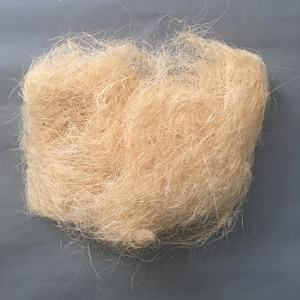
CE ifọwọsi nja PP Nja Okun abuja Engineering Micro Fiber fun Ikole Engineering

WD Fiberglass Silikoni Ti a bo Gilasi Fiber Fabric Nano Fireproof Asọ

Fiber Nja Gilasi gige Strand fun Nja ati Ikole GRC
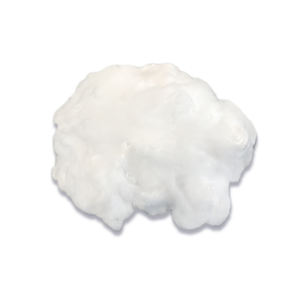
Carbon Concrete Fiber Felt Products Activated Carbon Fiber Felt for Industry
