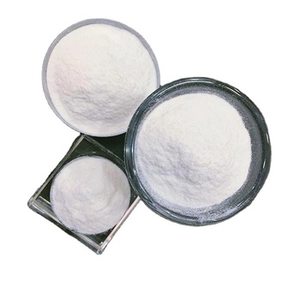
Gaan nga Concrete Additives | High-Performance Foaming Agents para sa Cellular Concrete

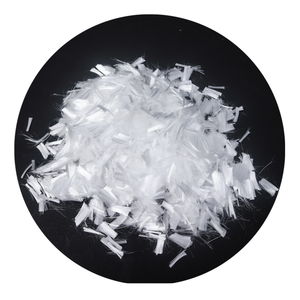
MGA PARAMETER SA PRODUKTO
Deskripsyon
Overview of Filament Wound Fiberglass Tubes
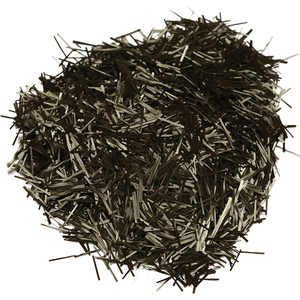
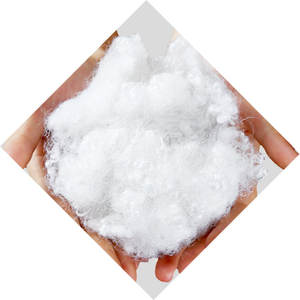
Para sa high-impact resistance, kami nagtanyag sa Steel Fibers, usa ka sulundon nga kapuli sa welded wire mesh sa mga salog sa industriya ug mga elemento nga pre-cast. Naghatag usab kami og espesyal nga Structural Synthetic Fibers nga nagtanyag taas nga tensile nga kusog alang sa pagpangayo nga mga aplikasyon. Kini nga mga lanot parehas nga nagkatag sa tibuuk nga pagsagol sa konkreto, paghimo og multi-dimensional nga reinforcement network nga dili makab-ot sa tradisyonal nga mga pamaagi. Kini nga hiniusa nga pamaagi nagpasimple sa pagtukod, nagpadali sa pagbutang, ug nagpalambo sa kinatibuk-ang integridad ug taas nga kinabuhi sa kongkreto, paghatag og moderno nga tubag sa karaan na nga cracking ug durability challenges.
Features of Filament Wound Fiberglass Tubes
1. Superior Crack Control ug Gipauswag nga Kalig-on:
Ang nag-unang bahin sa among mga lanot mao ang ilang abilidad sa pagdugtong sa duha ka micro-cracks nga naporma sa panahon sa plastik nga kahimtang ug mas dagkong mga liki sa gahi nga kongkreto.. Kini nga tulo-ka-dimensional nga pagkatibulaag nagmugna sa usa ka mas nagkahiusa nga matrix nga mosukol sa pagpadaghan sa liki. Ang direkta nga benepisyo usa ka hinungdanon nga pagkunhod sa parehas nga pag-urong sa plastik nga pag-crack ug dugay nga gilapdon sa crack. Kini modala ngadto sa usa ka mas lig-on nga konkreto uban sa ubos nga permeability, nga sa baylo makapauswag sa resistensya sa pagsulod sa tubig, kadaot sa freeze-thaw, ug corrosion sa bisan unsa nga nasulod nga asero. Ang resulta mao ang usa ka istruktura nga adunay mas taas nga kinabuhi sa serbisyo ug pagkunhod sa gasto sa pagmentinar.
2. Dugang nga Epekto ug Abrasion Resistance:
Mga lanot, ilabi na ang steel ug lig-on nga sintetikong macro fibers, mahinuklugong nagpauswag sa katig-a sa konkreto ug sa post-crack nga performance. Sila mosuhop ug mo-apod-apod sa enerhiya sa epekto o loading. Kini nga bahin naghatag sa kaayohan sa usa ka labi ka lig-on nga nawong nga dili kaayo dali sa spalling, pag-chipping, ug abrasion ubos sa bug-at nga trapiko o mekanikal nga pagsul-ob. Kini usa ka kritikal nga bentaha alang sa mga salog sa industriya, mga simento sa bodega, ug mga proyekto sa imprastraktura, padulong ngadto sa mas gahi nga pagsul-ob nga nawong nga nagmintinar sa iyang integridad sa paglabay sa panahon.
3. Episyente sa Pagtukod ug Makadaginot sa Gasto:
Usa ka mahinungdanong bahin sa paggamit sa fiber reinforcement mao ang pagwagtang sa welded wire mesh (WWF) sa daghang mga aplikasyon. Naghatag kini daghang mga benepisyo sa site: gipasayon niini ang pagbutang, kay walay mata nga ibutang o posibleng mabalhin, ug kini nagpadali sa tibuok proseso sa pagtukod. Pinaagi sa pagtangtang sa usa ka labor-intensive nga lakang, makita sa mga proyekto ang pagkunhod sa gasto sa pagtrabaho ug mas paspas nga mga timeline sa proyekto. Ang uniporme nga pag-apod-apod sa mga lanot nagsiguro usab nga makanunayon nga pagpalig-on sa tibuuk nga seksyon sa konkreto, dili sama sa mesh, nga mahimong dili husto nga ibutang, padulong ngadto sa mas kasaligan ug matag-an nga performance.

Specification of Filament Wound Fiberglass Tubes
Filament Injury Fiberglass Tubes– Mga Detalye sa Produkto
Material and Building and construction
These tubes are made from high-strength fiberglass threads. The threads are specifically wound around a rotating mandrel. They are after that filled with premium-grade polyester or epoxy material. This process produces an uniform, seamless framework with excellent mechanical residential or commercial properties. The outcome is a lightweight yet stiff tube that stands up to corrosion, pagkabasa, and many chemicals.
Dimensions and Tolerances
Criterion outer sizes vary from 10 mm sa 300 mm. Wall surface densities differ from 1 mm sa 15 mm, depende sa aplikasyon. Lengths are generally available as much as 6 metros. Customized sizes can be produced upon request. Dimensional resistances satisfy ISO 2768-mK requirements for basic design objectives. Satiation and straightness are tightly controlled to make certain regular performance.
Mechanical Residences
The tensile stamina of these tubes surpasses 300 MPa. Flexural stamina is normally above 350 MPa. They supply a high strength-to-weight proportion– much better than many steels. The modulus of elasticity varieties from 20 sa 40 Average nga grado sa grado, based on fiber positioning and material kind. Impact resistance continues to be steady across a large temperature array.
Pagbatok sa Kalikopan
Filament wound fiberglass tubes execute well in severe settings. They do not corrosion or break down when subjected to deep sea, mga asido, or alkalis. Running temperatures vary from -40 ° C sa +120 ° C continuously. UV-resistant coverings are offered for exterior usage to stop surface degradation in time.
Surface End Up and Options
The typical finish is smooth and shiny. Matte or distinctive coatings can be given if required. Tubes might include interior linings for fluid handling or electrical insulation. End installations, threading, or flanges can be added during manufacturing. Shade alternatives include all-natural white, itom, grey, or personalized shades.
Applications of Filament Wound Fiberglass Tubes
Applications of Filament Wound Fiberglass Tubes
Light-weight Toughness for Requiring Settings
Filament wound fiberglass tubes provide a strong yet light-weight remedy for many markets. They stand up to rust, deal with high pressure, and last a long time– also in tough conditions. Because they do not rust or rot, these tubes function well where metal or timber would stop working.
Typical Uses Across Industries
Sa merkado sa lana ug gas, these tubes work as risers, downhole devices, and pierce pipelines. Their resistance to chemicals and deep sea makes them optimal for overseas operations. Water treatment plants likewise rely upon them for piping systems that carry hostile fluids without breaking down over time.
The electric sector utilizes filament injury fiberglass tubes as shielding elements. They support busbars, function as transformer spacers, and protect high-voltage equipment. Their non-conductive nature maintains systems safe and efficient.
Aerospace and defense applications benefit from the tubes’ high strength-to-weight proportion. They show up in antenna poles, drone frames, and launch system parts. Every ounce conserved issues in flight, and fiberglass delivers performance without added weight.
Renewable resource projects– especially wind turbines– make use of these tubes in blade tooling and nacelle frameworks. Their dimensional security makes certain precision throughout manufacturing and dependable procedure in transforming weather.
Why Select Filament Wound Building And Construction?
The filament winding process wraps constant fibers around a turning mandrel with precise tension and positioning. This method creates consistent wall surface density and constant mechanical properties along the whole size. The result is a tube that executes predictably under stress, pagduko, or pressure.
These tubes can be made in lengthy sizes with tight tolerances. Personalized sizes, wall surface thicknesses, and resin systems allow engineers to match the product to particular needs. Whether it’s UV resistance, fire retardancy, or thermal security, the right formulation is feasible.
Filament wound fiberglass tubes combine durability, pagkamapasiboon, ug kahusayan. They solve design obstacles where standard materials fail. From deep underground to high in the sky, they offer reliable support anywhere stamina and light weight matter a lot of.
Profile sa Kompanya
Kami ang global nga lider sa lightweight nga kongkreto ug advanced engineered foam nga mga solusyon. Nailhan sa tibuok kalibutan tungod sa pasalig niini sa panukiduki, kabag-ohan, ug gigamit nga kahanas, Naghatag kami og engineered foam nga mga solusyon sukad sa sayong bahin sa 2012.
Makahatag kami og taas nga kalidad nga konkretong admixture ug foam concrete related nga mga produkto sa tibuok kalibutan.
Ang kompanya adunay usa ka propesyonal nga departamento sa teknikal ug departamento sa pagdumala sa kalidad, usa ka laboratoryo nga nasangkapan pag-ayo, ug nasangkapan sa advanced testing equipment ug after-sales customer service center.
Kung interesado ka, palihug mobati nga gawasnon ug kontaka kami.
Bayad
T/T, Western Union, Paypal, Credit Card ug uban pa.
Pagpadala
Pinaagi sa hangin, pinaagi sa dagat, pinaagi sa express, ingon sa gihangyo sa mga kustomer.
5 FAQs of Filament Wound Fiberglass Tubes
Frequently Asked Questions About Filament Wound Fiberglass Tubes
What are filament wound fiberglass tubes made of?
These tubes are built using continuous glass fibers soaked in resin. The fibers wrap around a rotating mandrel in precise patterns. Human sa pag-ayo, the result is a strong, lightweight tube with consistent wall thickness and high structural integrity.
Why choose filament wound tubes over other types?
Filament winding gives better control over fiber placement and resin content. This leads to higher strength-to-weight ratios compared to pultruded or hand-laid fiberglass. The process also ensures uniform quality along the full length of the tube.
Are these tubes resistant to corrosion?
Oo. Fiberglass does not rust or corrode like metal. It holds up well against moisture, mga kemikal, saltwater, and many industrial solvents. This makes it ideal for harsh environments where metal would degrade quickly.
What industries use filament wound fiberglass tubes?
They are common in aerospace, marine, lana ug gas, electrical insulation, ug wastewater treatment. Their light weight, kalig-on, and non-conductive properties suit many demanding applications—from drone arms to downhole tools.
Can these tubes be customized?
Sa hingpit. You can specify diameter, wall thickness, gitas-on, and resin type (like polyester, vinyl ester, o epoxy). Special finishes, mga kolor, or end fittings are also available. Custom winding angles can be used to meet exact load requirements.
PANGAYO UG KUTIL
KAUGNAY NGA MGA PRODUKTO

Taas nga performance gfrp bar glass fiber rebar epoxy composite fiberglass rebar para sa konkretong reinforcement
Polypropylene PP Concrete Fiber Synthetic Reinforcement Fiber para sa Concrete
Factory Polypropylene Fiber/polypropylene Fiber Concrete/polypropylene Fiber

Cement Polypropylene Reinforced Fibra Concrete Additive Staple Fiber
12mm PP Construction Concrete Fiber Water Soluble Packing