


Additivi per calcestruzzo leggero | Agenti schiumogeni ad alte prestazioni per cemento cellulare

PARAMETRI DEL PRODOTTO
Descrizione
Overview of Filament Wound Fiberglass Tubes
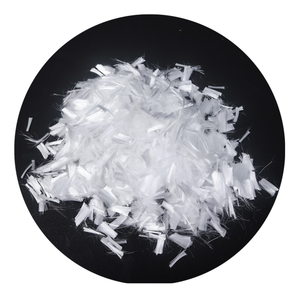
Per una resistenza ad alto impatto, offriamo fibre di acciaio, un sostituto ideale della rete metallica saldata nei pavimenti industriali e negli elementi prefabbricati. Forniamo anche fibre sintetiche strutturali specializzate che offrono un'elevata resistenza alla trazione per applicazioni impegnative. Queste fibre sono uniformemente disperse in tutta la miscela di calcestruzzo, creando una rete di rinforzo multidimensionale che i metodi tradizionali non possono realizzare. Questo approccio integrato semplifica la costruzione, accelera il posizionamento, e migliora l'integrità generale e la longevità del calcestruzzo, fornendo una risposta moderna alle secolari sfide legate alla fessurazione e alla durabilità.
Features of Filament Wound Fiberglass Tubes
1. Controllo superiore delle crepe e maggiore durata:
La caratteristica principale delle nostre fibre è la capacità di colmare sia le microfessure che si formano durante lo stato plastico, sia le fessure più grandi del calcestruzzo indurito. Questa dispersione tridimensionale crea una matrice più coesa che resiste alla propagazione delle cricche. Il vantaggio diretto è una riduzione significativa sia delle fessurazioni da ritiro plastico che dell’ampiezza delle fessure a lungo termine. Ciò porta ad un calcestruzzo molto più durevole con una permeabilità inferiore, che a sua volta migliora la resistenza all'ingresso di acqua, danni da gelo-disgelo, e corrosione di qualsiasi acciaio incorporato. Il risultato è una struttura con una maggiore durata e costi di manutenzione ridotti.
2. Maggiore resistenza agli urti e all'abrasione:
Fibre, particolarmente acciaio e robuste macrofibre sintetiche, migliorare notevolmente la tenacità del calcestruzzo e le prestazioni post-fessurazione. Assorbono e distribuiscono l'energia in caso di impatto o carico. Questa caratteristica offre il vantaggio di una superficie più resiliente e meno soggetta a scheggiature, scheggiatura, e abrasione sotto traffico pesante o usura meccanica. Questo è un vantaggio fondamentale per i pavimenti industriali, pavimenti di magazzini, e progetti infrastrutturali, portando ad una superficie più resistente che mantiene la sua integrità nel tempo.
3. Efficienza costruttiva e risparmio sui costi:
Una caratteristica fondamentale dell'utilizzo del rinforzo in fibra è l'eliminazione della rete metallica saldata (WWF) in molte applicazioni. Ciò offre immensi vantaggi in loco: semplifica il posizionamento, poiché non vi è alcuna rete da impostare o potenzialmente spostare, e accelera l'intero processo di costruzione. Rimuovendo un passaggio ad alta intensità di manodopera, i progetti vedono costi di manodopera ridotti e tempistiche di progetto più rapide. La distribuzione uniforme delle fibre garantisce inoltre un'armatura coerente su tutta la sezione del calcestruzzo, a differenza della rete, che può essere posizionato in modo errato, portando a prestazioni più affidabili e prevedibili.

Specification of Filament Wound Fiberglass Tubes
Filament Injury Fiberglass Tubes– Specifiche del prodotto
Material and Building and construction
These tubes are made from high-strength fiberglass threads. The threads are specifically wound around a rotating mandrel. They are after that filled with premium-grade polyester or epoxy material. This process produces an uniform, seamless framework with excellent mechanical residential or commercial properties. The outcome is a lightweight yet stiff tube that stands up to corrosion, umidità, e molti prodotti chimici.
Dimensioni e tolleranze
Criterion outer sizes vary from 10 mm a 300 mm. Wall surface densities differ from 1 mm a 15 mm, a seconda dell'applicazione. Lengths are generally available as much as 6 metri. Customized sizes can be produced upon request. Dimensional resistances satisfy ISO 2768-mK requirements for basic design objectives. Satiation and straightness are tightly controlled to make certain regular performance.
Residenze Meccaniche
The tensile stamina of these tubes surpasses 300 MPa. Flexural stamina is normally above 350 MPa. They supply a high strength-to-weight proportion– much better than many steels. The modulus of elasticity varieties from 20 A 40 Media dei voti, based on fiber positioning and material kind. Impact resistance continues to be steady across a large temperature array.
Resistenza ambientale
Filament wound fiberglass tubes execute well in severe settings. They do not corrosion or break down when subjected to deep sea, acidi, or alkalis. Running temperatures vary from -40 °C a +120 ° C continuously. UV-resistant coverings are offered for exterior usage to stop surface degradation in time.
Surface End Up and Options
The typical finish is smooth and shiny. Matte or distinctive coatings can be given if required. Tubes might include interior linings for fluid handling or electrical insulation. End installations, threading, or flanges can be added during manufacturing. Shade alternatives include all-natural white, nero, grigio, or personalized shades.
Applications of Filament Wound Fiberglass Tubes
Applications of Filament Wound Fiberglass Tubes
Light-weight Toughness for Requiring Settings
Filament wound fiberglass tubes provide a strong yet light-weight remedy for many markets. They stand up to rust, deal with high pressure, and last a long time– also in tough conditions. Because they do not rust or rot, these tubes function well where metal or timber would stop working.
Typical Uses Across Industries
Nel mercato del petrolio e del gas, these tubes work as risers, downhole devices, and pierce pipelines. Their resistance to chemicals and deep sea makes them optimal for overseas operations. Water treatment plants likewise rely upon them for piping systems that carry hostile fluids without breaking down over time.
The electric sector utilizes filament injury fiberglass tubes as shielding elements. They support busbars, function as transformer spacers, and protect high-voltage equipment. Their non-conductive nature maintains systems safe and efficient.
Aerospace and defense applications benefit from the tubes’ high strength-to-weight proportion. They show up in antenna poles, drone frames, and launch system parts. Every ounce conserved issues in flight, and fiberglass delivers performance without added weight.
Renewable resource projects– especially wind turbines– make use of these tubes in blade tooling and nacelle frameworks. Their dimensional security makes certain precision throughout manufacturing and dependable procedure in transforming weather.
Why Select Filament Wound Building And Construction?
The filament winding process wraps constant fibers around a turning mandrel with precise tension and positioning. This method creates consistent wall surface density and constant mechanical properties along the whole size. The result is a tube that executes predictably under stress, flessione, or pressure.
These tubes can be made in lengthy sizes with tight tolerances. Personalized sizes, wall surface thicknesses, and resin systems allow engineers to match the product to particular needs. Whether it’s UV resistance, fire retardancy, or thermal security, the right formulation is feasible.
Filament wound fiberglass tubes combine durability, adattabilità, ed efficienza. They solve design obstacles where standard materials fail. From deep underground to high in the sky, they offer reliable support anywhere stamina and light weight matter a lot of.
Profilo Aziendale
Siamo il leader globale nelle soluzioni di calcestruzzo leggero e schiuma ingegnerizzata avanzata. Conosciuta a livello mondiale per il suo impegno nella ricerca, innovazione, e competenza applicata, forniamo soluzioni in schiuma ingegnerizzata dall'inizio del 2012.
Siamo in grado di fornire additivi per calcestruzzo e prodotti correlati al calcestruzzo espanso di alta qualità in tutto il mondo.
L'azienda dispone di un dipartimento tecnico professionale e di un dipartimento di supervisione della qualità, un laboratorio ben attrezzato, e dotato di apparecchiature di collaudo avanzate e centro di assistenza clienti post-vendita.
Se sei interessato, non esitate a contattarci.
Pagamento
T/T, Unione occidentale, PayPal, Carta di credito ecc.
Spedizione
In aereo, via mare, per espresso, come richiedono i clienti.
5 FAQs of Filament Wound Fiberglass Tubes
Frequently Asked Questions About Filament Wound Fiberglass Tubes
What are filament wound fiberglass tubes made of?
These tubes are built using continuous glass fibers soaked in resin. The fibers wrap around a rotating mandrel in precise patterns. Dopo la polimerizzazione, the result is a strong, lightweight tube with consistent wall thickness and high structural integrity.
Why choose filament wound tubes over other types?
Filament winding gives better control over fiber placement and resin content. This leads to higher strength-to-weight ratios compared to pultruded or hand-laid fiberglass. The process also ensures uniform quality along the full length of the tube.
Are these tubes resistant to corrosion?
SÌ. Fiberglass does not rust or corrode like metal. It holds up well against moisture, prodotti chimici, saltwater, and many industrial solvents. This makes it ideal for harsh environments where metal would degrade quickly.
What industries use filament wound fiberglass tubes?
They are common in aerospace, marino, petrolio e gas, isolamento elettrico, e trattamento delle acque reflue. Their light weight, durabilità, and non-conductive properties suit many demanding applications—from drone arms to downhole tools.
Can these tubes be customized?
Assolutamente. You can specify diameter, wall thickness, lunghezza, and resin type (like polyester, vinyl ester, or epoxy). Special finishes, colori, or end fittings are also available. Custom winding angles can be used to meet exact load requirements.
RICHIEDI UN PREVENTIVO
PRODOTTI CORRELATI
Fibra PP di rinforzo in polipropilene macrosintetico per cemento armato

Popolare pannello in fibra ceramica con pannello isolante sotto vuoto aerogel refrattario 1800C caldo
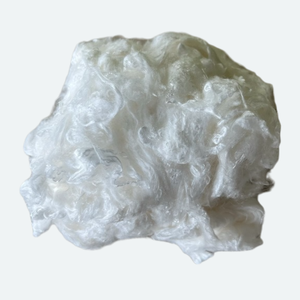
Fascio intrecciato in fibra di calcestruzzo macro in polipropilene per rinforzo in calcestruzzo nella costruzione di edifici Modello in fibra PP
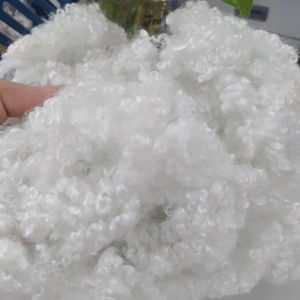
HWZK Top ing Fibra di cemento PP Fibra stabile con buona qualità e migliore
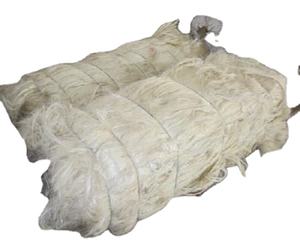
Fibra di calcestruzzo strutturale macro sintetica in polimero di polipropilene per calcestruzzo