Malpezaj Konkretaj Aldonaĵoj | Alt-Efikecaj Ŝaŭmaj Agentoj por Ĉela Betono

PRODUCT PARAMETROJ
Priskribo
Overview of Filament Wound Fiberglass Tubes
Por alta efiko-rezisto, ni proponas Ŝtalaj Fibroj, ideala anstataŭaĵo por veldita dratmaŝo en industriaj plankoj kaj antaŭ-fanditaj elementoj. Ni ankaŭ provizas specialajn Strukturajn Sintezajn Fibrojn, kiuj ofertas altan streĉan forton por postulataj aplikoj. Tiuj fibroj estas unuforme disigitaj ĉie en la betonmiksaĵo, kreante plurdimensian plifortigan reton, kiun tradiciaj metodoj ne povas atingi. Ĉi tiu integra aliro simpligas konstruadon, akcelas lokigon, kaj plibonigas la totalan integrecon kaj longvivecon de la betono, provizante modernan respondon al malnovaj krakaj kaj fortikecdefioj.
Features of Filament Wound Fiberglass Tubes
1. Supera Kraka Kontrolo kaj Plifortigita Fortikeco:
La ĉefa trajto de niaj fibroj estas ilia kapablo transponti ambaŭ mikrofendojn kiuj formiĝas dum la plasta stato kaj pli grandajn fendojn en hardita betono.. Tiu tridimensia disvastigo kreas pli kohezian matricon kiu rezistas fendetdisvastiĝon. La rekta profito estas signifa redukto en kaj plasta ŝrumpa krakado kaj longperspektiva fendetlarĝo. Ĉi tio kondukas al multe pli daŭrema betono kun pli malalta permeablo, kiu siavice plifortigas reziston al akva eniro, damaĝo de frosto-degelo, kaj korodo de iu enigita ŝtalo. La rezulto estas strukturo kun pli longa funkcidaŭro kaj reduktitaj funkciservaj kostoj.
2. Pliigita Efiko kaj Abrasion Rezisto:
Fibroj, precipe ŝtalo kaj fortikaj sintezaj makrofibroj, draste plibonigi la fortikecon kaj post-fendeton de la betono. Ili sorbas kaj distribuas energion post efiko aŭ ŝarĝo. Ĉi tiu funkcio provizas la avantaĝon de pli rezistema surfaco, kiu estas malpli inklina al disfaldo, chipping, kaj abrazio sub peza trafiko aŭ mekanika eluziĝo. Ĉi tio estas kritika avantaĝo por industriaj plankoj, magazenaj trotuaroj, kaj infrastrukturaj projektoj, kondukante al pli malmola surfaco, kiu konservas sian integrecon laŭlonge de la tempo.
3. Konstrua Efikeco kaj Kosta Ŝparado:
Ĉefa trajto de uzado de fibro-plifortigo estas la elimino de veldita dratmaŝo (WWF) en multaj aplikoj. Ĉi tio provizas enormajn surlokajn avantaĝojn: ĝi simpligas lokigon, ĉar ekzistas neniu maŝo por esti starigita aŭ eble delokigita, kaj ĝi akcelas la tutan konstruprocezon. Forigante laborintensan paŝon, projektoj vidas reduktitajn laborkostojn kaj pli rapidajn projektajn templiniojn. La unuforma distribuado de fibroj ankaŭ certigas konsekvencan plifortikigon ĉie en la tuta konkreta sekcio, male al maŝo, kiu povas esti nedece metita, kondukante al pli fidinda kaj antaŭvidebla agado.

Specification of Filament Wound Fiberglass Tubes
Filament Injury Fiberglass Tubes– Specifoj de Produkto
Material and Building and construction
These tubes are made from high-strength fiberglass threads. The threads are specifically wound around a rotating mandrel. They are after that filled with premium-grade polyester or epoxy material. This process produces an uniform, seamless framework with excellent mechanical residential or commercial properties. The outcome is a lightweight yet stiff tube that stands up to corrosion, malsekeco, kaj multaj kemiaĵoj.
Dimensions and Tolerances
Criterion outer sizes vary from 10 mm al 300 mm. Wall surface densities differ from 1 mm al 15 mm, depende de la aplikaĵo. Lengths are generally available as much as 6 metroj. Customized sizes can be produced upon request. Dimensional resistances satisfy ISO 2768-mK requirements for basic design objectives. Satiation and straightness are tightly controlled to make certain regular performance.
Mekanikaj Loĝejoj
The tensile stamina of these tubes surpasses 300 MPa. Flexural stamina is normally above 350 MPa. They supply a high strength-to-weight proportion– much better than many steels. The modulus of elasticity varieties from 20 al 40 Nota mezumo, based on fiber positioning and material kind. Impact resistance continues to be steady across a large temperature array.
Ekologia Rezisto
Filament wound fiberglass tubes execute well in severe settings. They do not corrosion or break down when subjected to deep sea, acidoj, aŭ alkaloj. Running temperatures vary from -40 °C al +120 ° C continuously. UV-resistant coverings are offered for exterior usage to stop surface degradation in time.
Surface End Up and Options
The typical finish is smooth and shiny. Matte or distinctive coatings can be given if required. Tubes might include interior linings for fluid handling or electrical insulation. End installations, threading, or flanges can be added during manufacturing. Shade alternatives include all-natural white, nigra, griza, or personalized shades.
Applications of Filament Wound Fiberglass Tubes
Applications of Filament Wound Fiberglass Tubes
Light-weight Toughness for Requiring Settings
Filament wound fiberglass tubes provide a strong yet light-weight remedy for many markets. They stand up to rust, deal with high pressure, and last a long time– ankaŭ en malfacilaj kondiĉoj. Because they do not rust or rot, these tubes function well where metal or timber would stop working.
Typical Uses Across Industries
En la nafto-gasa merkato, these tubes work as risers, downhole devices, and pierce pipelines. Their resistance to chemicals and deep sea makes them optimal for overseas operations. Water treatment plants likewise rely upon them for piping systems that carry hostile fluids without breaking down over time.
The electric sector utilizes filament injury fiberglass tubes as shielding elements. They support busbars, function as transformer spacers, and protect high-voltage equipment. Their non-conductive nature maintains systems safe and efficient.
Aerospace and defense applications benefit from the tubes’ high strength-to-weight proportion. They show up in antenna poles, drone frames, and launch system parts. Every ounce conserved issues in flight, and fiberglass delivers performance without added weight.
Renewable resource projects– especially wind turbines– make use of these tubes in blade tooling and nacelle frameworks. Their dimensional security makes certain precision throughout manufacturing and dependable procedure in transforming weather.
Why Select Filament Wound Building And Construction?
The filament winding process wraps constant fibers around a turning mandrel with precise tension and positioning. This method creates consistent wall surface density and constant mechanical properties along the whole size. The result is a tube that executes predictably under stress, fleksante, or pressure.
These tubes can be made in lengthy sizes with tight tolerances. Personalized sizes, wall surface thicknesses, and resin systems allow engineers to match the product to particular needs. Whether it’s UV resistance, fire retardancy, or thermal security, the right formulation is feasible.
Filament wound fiberglass tubes combine durability, adaptebleco, kaj efikeco. They solve design obstacles where standard materials fail. From deep underground to high in the sky, they offer reliable support anywhere stamina and light weight matter a lot of.
Kompanio Profilo
Ni estas la tutmonda gvidanto en malpeza betono kaj altnivelaj inĝenieritaj ŝaŭmaj solvoj. Konata tutmonde pro sia engaĝiĝo al esplorado, novigado, kaj aplikata kompetenteco, ni provizas inĝenierajn ŝaŭmajn solvojn ekde la fruaj 2012-aj jaroj.
Ni povas provizi altkvalitan betonan miksaĵon kaj ŝaŭman betonajn rilatajn produktojn tra la tuta mondo.
La kompanio havas profesian teknikan fakon kaj superkvalitan fakon, bone ekipita laboratorio, kaj ekipita per altnivela testa ekipaĵo kaj post-venda klientserva centro.
Se vi interesiĝas, bonvolu senti vin libera kaj kontakti nin.
Pago
T/T, Okcidenta Unio, Paypal, Kreditkarto ktp.
Sendo
Per aero, per maro, per ekspreso, kiel klientoj petas.
5 FAQs of Filament Wound Fiberglass Tubes
Frequently Asked Questions About Filament Wound Fiberglass Tubes
What are filament wound fiberglass tubes made of?
These tubes are built using continuous glass fibers soaked in resin. The fibers wrap around a rotating mandrel in precise patterns. Post resaniĝo, the result is a strong, lightweight tube with consistent wall thickness and high structural integrity.
Why choose filament wound tubes over other types?
Filament winding gives better control over fiber placement and resin content. This leads to higher strength-to-weight ratios compared to pultruded or hand-laid fiberglass. The process also ensures uniform quality along the full length of the tube.
Are these tubes resistant to corrosion?
Jes. Fiberglass does not rust or corrode like metal. It holds up well against moisture, kemiaĵoj, saltwater, and many industrial solvents. This makes it ideal for harsh environments where metal would degrade quickly.
What industries use filament wound fiberglass tubes?
They are common in aerospace, marine, petrolo kaj gaso, elektra izolado, kaj akvopurigo. Their light weight, fortikeco, and non-conductive properties suit many demanding applications—from drone arms to downhole tools.
Can these tubes be customized?
Absolute. You can specify diameter, murdikeco, longeco, and resin type (like polyester, vinila estero, or epoxy). Special finishes, koloroj, or end fittings are also available. Custom winding angles can be used to meet exact load requirements.
PETU KITTON
RELATAJ PRODUTOJ

19mm Longo Polipropileno Fibrilita Makro Sinteza Konkreta Fibro por Betono Antaŭfabla

Longa Servo Viskoza Betono Fibro Felt Karbono Bazita
bazalta fibro kontinua konstrua fibro por betona plifortikigo
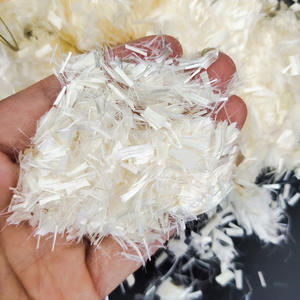
6mm 12mm Inĝenieristiko Mikro PP Polipropileno Konkreta Fibro por Konkreta Mortero Plifortikigo

PP Fibra Monofilamento por betona plifortikigo