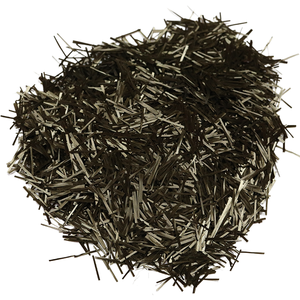
Lagu daro la taaban karo oo khafiif ah | Wakiilada Xumbaynta Waxqabadka Sare ee Shabka Gacanta

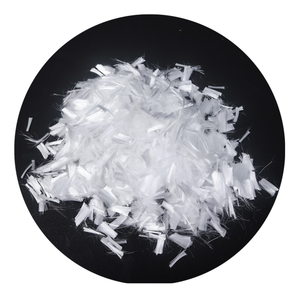
PARAMETERS ABUURKA
Sharaxaada
Overview of Filament Wound Fiberglass Tubes
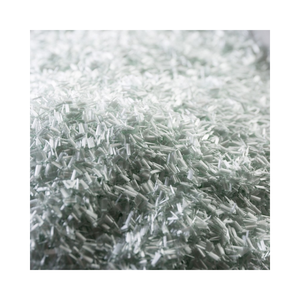
Iska caabbinta saamaynta sare leh, Waxaan bixinaa Biraha Fiber, beddelka ugu habboon ee mesh silig alxanka ah ee sagxadaha warshadaha iyo walxaha horay loo shubay. Waxa kale oo aanu bixinaa Fibers-dhismeed gaar ah oo bixiya awood cufan oo sare u leh codsiyada dalbanaya. Fiilooyinkan ayaa si isku mid ah u kala firdhiyey dhammaan isku dhafka shubka ah, abuurista shabakad xoojin ah oo dhinacyo badan leh oo hababka dhaqanku aanay gaadhi karin. Habkan isku dhafan ayaa fududeynaya dhismaha, waxay dedejisaa meelaynta, oo kor u qaadaya guud ahaan daacadnimada iyo cimri dhererka shubka, siinta jawaab casri ah oo ku saabsan dildilaaca da'da ah iyo caqabadaha adkeysiga.
Features of Filament Wound Fiberglass Tubes
1. Xakamaynta dildilaaca sare iyo waarta la xoojiyey:
Tilmaamaha ugu muhiimsan ee fiilooyinkayaga ayaa ah awoodda ay u leeyihiin inay isku xiraan labadaba dildilaaca yar yar ee sameysma inta lagu jiro xaaladda caagga ah iyo dildilaaca waaweyn ee shubka adag.. Kala firdhintan saddex-geesoodka ah waxay abuurtaa matrix isku xidhan oo iska caabiya faafinta dildilaaca. Faa'iidada tooska ah ayaa ah hoos u dhac weyn oo ku yimaadda dildilaaca balaastigga ah iyo ballaca dillaaca muddada dheer. Tani waxay keenaysaa shuban aad u sii waara oo leh daloolin hoose, taas oo iyaduna kor u qaadaysa iska caabinta biyaha, dhaawac dhalaalid, iyo daxalka bir kasta oo ku xidhan. Natiijadu waa qaab-dhismeed leh nolol adeeg oo dheer iyo kharashka dayactirka oo yaraaday.
2. Kordhinta Saamaynta iyo iska caabinta Nabarrada:
Fiber, gaar ahaan birta iyo fiilooyinka macrootada synthetic ee adag, si weyn u wanaaji adkaanta shubka iyo waxqabadka dildilaaca kadib. Waxay nuugaan oo qaybiyaan tamarta marka ay saameeyaan ama raran yihiin. Habkani wuxuu bixiyaa faa'iidada dusha sare ee adkeysi leh oo aan u nuglayn spalling, jajabin, iyo nabar ku hoos jira taraafikada culus ama xirashada farsamada. Tani waxay faa'iido muhiim ah u tahay sagxadaha warshadaha, laamiyada bakhaarka, iyo mashaariicda kaabayaasha dhaqaalaha, taasoo keenaysa in dusha sare ee labisan yahay oo ilaalinaysa daacadnimadeeda wakhti ka dib.
3. Waxtarka dhismaha iyo Keydka Qiimaha:
Tilmaamaha ugu muhiimsan ee isticmaalka xoojinta fiber-ka ayaa ah baabi'inta mesh silig alxanka ah (WWF) codsiyo badan. Tani waxay ku siinaysaa faa'iidooyin goobta: waxay fududaynaysaa meelaynta, maadaama aysan jirin mesh la dejin karo ama la barakici karo, waxayna dardar galinaysaa dhamaan habka dhismaha. Adigoo meesha ka saaraya tallaabo xoog leh, Mashruucyadu waxay arkaan qiimaha shaqada oo yaraada iyo waqtiyada mashruuca oo degdeg ah. Qaybinta lebiska ee fiilooyinka waxay sidoo kale hubisaa xoojinta joogtada ah ee dhammaan qaybta la taaban karo, ka duwan mesh, taasoo si khaldan loo dhigi karo, taasoo horseedaysa waxqabad la isku halayn karo oo la saadaalin karo.

Specification of Filament Wound Fiberglass Tubes
Filament Injury Fiberglass Tubes– Tilmaamaha Alaabta
Material and Building and construction
These tubes are made from high-strength fiberglass threads. The threads are specifically wound around a rotating mandrel. They are after that filled with premium-grade polyester or epoxy material. This process produces an uniform, seamless framework with excellent mechanical residential or commercial properties. The outcome is a lightweight yet stiff tube that stands up to corrosion, qoyan, iyo kiimiko badan.
Dimensions and Tolerances
Criterion outer sizes vary from 10 mm ku 300 mm. Wall surface densities differ from 1 mm ku 15 mm, iyadoo ku xiran codsiga. Lengths are generally available as much as 6 mitir. Customized sizes can be produced upon request. Dimensional resistances satisfy ISO 2768-mK requirements for basic design objectives. Satiation and straightness are tightly controlled to make certain regular performance.
Mechanical Residences
The tensile stamina of these tubes surpasses 300 MPa. Flexural stamina is normally above 350 MPa. They supply a high strength-to-weight proportion– much better than many steels. The modulus of elasticity varieties from 20 ku 40 Celceliska dhibcaha darajada, based on fiber positioning and material kind. Impact resistance continues to be steady across a large temperature array.
Environmental Resistance
Filament wound fiberglass tubes execute well in severe settings. They do not corrosion or break down when subjected to deep sea, acids, ama alkalis. Running temperatures vary from -40 ° C ku +120 ° C continuously. UV-resistant coverings are offered for exterior usage to stop surface degradation in time.
Surface End Up and Options
The typical finish is smooth and shiny. Matte or distinctive coatings can be given if required. Tubes might include interior linings for fluid handling or electrical insulation. End installations, threading, or flanges can be added during manufacturing. Shade alternatives include all-natural white, black, grey, or personalized shades.
Applications of Filament Wound Fiberglass Tubes
Applications of Filament Wound Fiberglass Tubes
Light-weight Toughness for Requiring Settings
Filament wound fiberglass tubes provide a strong yet light-weight remedy for many markets. They stand up to rust, deal with high pressure, and last a long time– sidoo kale xaalado adag. Because they do not rust or rot, these tubes function well where metal or timber would stop working.
Typical Uses Across Industries
Suuqa saliidda iyo gaaska, these tubes work as risers, downhole devices, and pierce pipelines. Their resistance to chemicals and deep sea makes them optimal for overseas operations. Water treatment plants likewise rely upon them for piping systems that carry hostile fluids without breaking down over time.
The electric sector utilizes filament injury fiberglass tubes as shielding elements. They support busbars, function as transformer spacers, and protect high-voltage equipment. Their non-conductive nature maintains systems safe and efficient.
Aerospace and defense applications benefit from the tubes’ high strength-to-weight proportion. They show up in antenna poles, drone frames, and launch system parts. Every ounce conserved issues in flight, and fiberglass delivers performance without added weight.
Renewable resource projects– especially wind turbines– make use of these tubes in blade tooling and nacelle frameworks. Their dimensional security makes certain precision throughout manufacturing and dependable procedure in transforming weather.
Why Select Filament Wound Building And Construction?
The filament winding process wraps constant fibers around a turning mandrel with precise tension and positioning. This method creates consistent wall surface density and constant mechanical properties along the whole size. The result is a tube that executes predictably under stress, foorarsanaan, or pressure.
These tubes can be made in lengthy sizes with tight tolerances. Personalized sizes, wall surface thicknesses, and resin systems allow engineers to match the product to particular needs. Whether it’s UV resistance, fire retardancy, or thermal security, the right formulation is feasible.
Filament wound fiberglass tubes combine durability, la qabsiga, iyo hufnaan. They solve design obstacles where standard materials fail. From deep underground to high in the sky, they offer reliable support anywhere stamina and light weight matter a lot of.
Xogta Shirkadda
Waxaan nahay hogaamiyaha caalamiga ah ee xalalka xumbo shubka fudud iyo horumarsan injineernimada. Caalamka oo dhan caan ku ah sida ay uga go'an tahay cilmi-baarista, hal-abuurnimo, iyo khibrad la dabaqay, waxaanu bixinaynay xalal xumbo la farsameeyay ilaa horraantii 2012-kii.
Waxaan ku siin karnaa isku-darka shubka ah ee tayada sare leh iyo alaabada la taaban karo ee xumbo ee adduunka oo dhan.
Shirkaddu waxay leedahay waax farsamo oo xirfad leh iyo waaxda ilaalinta tayada, shaybaar si fiican u qalabaysan, oo lagu qalabeeyay qalab tijaabo ah oo horumarsan iyo xarunta adeegga macaamiisha iibka kadib.
Hadii aad xiisaynayso, fadlan xorow oo nala soo xidhiidh.
Lacag bixinta
T/T, Western Union, Paypal, Kaarka deynta iwm.
Raritaanka
Hawo ahaan, xagga badda, si qeexan, sida macaamiishu codsadaan.
5 FAQs of Filament Wound Fiberglass Tubes
Frequently Asked Questions About Filament Wound Fiberglass Tubes
What are filament wound fiberglass tubes made of?
These tubes are built using continuous glass fibers soaked in resin. The fibers wrap around a rotating mandrel in precise patterns. Ka dib markii la daaweeyay, the result is a strong, lightweight tube with consistent wall thickness and high structural integrity.
Why choose filament wound tubes over other types?
Filament winding gives better control over fiber placement and resin content. This leads to higher strength-to-weight ratios compared to pultruded or hand-laid fiberglass. The process also ensures uniform quality along the full length of the tube.
Are these tubes resistant to corrosion?
Haa. Fiberglass does not rust or corrode like metal. It holds up well against moisture, kiimikooyinka, saltwater, and many industrial solvents. This makes it ideal for harsh environments where metal would degrade quickly.
What industries use filament wound fiberglass tubes?
They are common in aerospace, badda, saliid iyo gaas, electrical insulation, iyo daaweynta biyaha wasakhda ah. Their light weight, adkeysiga, and non-conductive properties suit many demanding applications—from drone arms to downhole tools.
Can these tubes be customized?
Dhab ahaantii. You can specify diameter, wall thickness, dhererka, and resin type (like polyester, vinyl ester, ama epoxy). Special finishes, colors, or end fittings are also available. Custom winding angles can be used to meet exact load requirements.
CODSI XAQIIQO
Alaabooyinka LA XIRIIRA

Shabakadda Shabakadda Kaarboon ee Tayada Sare leh iyo Kaarboon Fiber Mesh ee Xoojinta la taaban karo

Quwadda sare ee Iska caabbinta Alkali Fiber/E-galaas lagu xoojiyay shakad la taaban karo oo fiberglass ah oo la jarjaray
xoojinta dhismaha la taaban karo ee Kaarboon Fiber iyo dhogorta fiber carbon resin epoxy
Shabakadda muraayadda Fiber-ka 160gsm Shabakadda Fiberglass Mesh Fabric ee Dhismaha
PP Fiber 6 mm ee dhexroorka Sibidhka la taaban karo 20 fiilooyinka PP