


Li-additives tsa Konkreite tse bobebe | Li-Agents tse Foaming tse Phahameng ka ho Fetisisa bakeng sa Konkreite ea Cellular

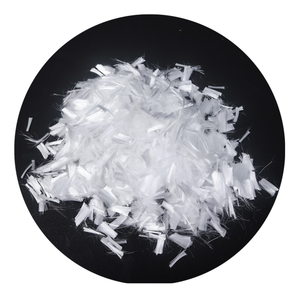
LITLHAKISO TSA LITŠOANTŠISO
Tlhaloso
Overview of Fiberglass Geogrid s for Reinforcement Civil Engineering Fiber Knitted Geogrid
Bakeng sa khanyetso e phahameng, re fana ka Steel Fibers, sebaka se loketseng bakeng sa letlooeng la terata le cheselitsoeng mekatong ea liindasteri le lintho tse entsoeng esale pele. Re boetse re fana ka li-Structural Synthetic Fibers tse khethehileng tse fanang ka matla a phahameng a ts'ebetso bakeng sa lits'ebetso tse batloang haholo. Likhoele tsena li hasane ka mokhoa o ts'oanang ho pholletsa le motsoako oa konkreite, ho theha marang-rang a matlafatso a mahlakore a mangata ao mekhoa ea setso e ke keng ea e finyella. Mokhoa ona o kopaneng o nolofatsa kaho, potlakisa ho beha, le ho matlafatsa botšepehi bo akaretsang le bophelo bo bolelele ba konkreite, ho fana ka karabo ea sejoale-joale ho mathata a khale a ho petsoha le ho tšoarella.
Features of Fiberglass Geogrid s for Reinforcement Civil Engineering Fiber Knitted Geogrid
1. Taolo e Phahameng ea Crack le Matla a Matlafalitsoeng:
Ntho ea mantlha ea likhoele tsa rona ke bokhoni ba bona ba ho koala mapetso a manyane a hlahang nakong ea polasetiki le mapetsong a maholo a konkreite e thata.. Phatlalatso ena ea mahlakore a mararo e theha matrix e momahaneng haholoanyane e hananang le phatlalatso ea crack. Melemo e tobileng ke ho fokotseha ho hoholo ha ho phunyeha ha polasetiki ka bobeli le bophara ba nako e telele. Sena se lebisa ho konkreite e tšoarellang haholo e nang le matla a tlase, seo ka sona se matlafatsang kganetso ya metsi a kenang, tshenyo ya ho qhoqhoa, le ho bola ha tšepe efe kapa efe e kentsoeng. Sephetho ke sebopeho se nang le nako e telele ea tšebeletso le litšenyehelo tse fokolitsoeng tsa tlhokomelo.
2. Keketseho ea Tšusumetso le Khahlano ea Abrasion:
Likhoele, haholo-holo tšepe le li-macro fibers tse matla tsa maiketsetso, ntlafatsa haholo ho tiea ha konkreite le ts'ebetso ea kamora ho phatloha. Li monya le ho aba matla ha li ama kapa ha li laeloa. Tšobotsi ena e fana ka molemo oa sebaka se tsitsitseng haholoanyane se sa rateheng ho spalling, ho qhetsola, le abrasion tlas'a sephethephethe se seholo kapa moaparo oa mochini. Ena ke monyetla oa bohlokoa bakeng sa mekato ea indasteri, litselana tsa polokelo, le diporojeke tsa mafaratlhatlha, e lebisang sebakeng se apereng ka thata haholo se bolokang botshepehi ka nako.
3. Sebetsa sa Kaho le Poloko ea Litšenyehelo:
Tšobotsi ea bohlokoa ea ho sebelisa fiber reinforcement ke ho felisoa ha letlooeng le cheselitsoeng (WWF) lits'ebetsong tse ngata. Sena se fana ka melemo e mengata sebakeng sa marang-rang: e nolofatsa ho beha, kaha ha ho na mesh e lokelang ho hlongoa kapa e ka tlosoang, mme e akofisa tshebetso yohle ya kaho. Ka ho tlosa mohato o boima oa mosebetsi, merero e bona litšenyehelo tse fokotsehileng tsa basebetsi le linako tse potlakileng tsa merero. Kabo e tšoanang ea likhoele e boetse e tiisa matlafatso e tsitsitseng ho pholletsa le karolo eohle ea konkreite, ho fapana le letlooeng, e ka bewang ka tsela e sa lokang, se lebisang tshebetsong e tshepehang le e lebelloang.

Specification of Fiberglass Geogrid s for Reinforcement Civil Engineering Fiber Knitted Geogrid
Fiberglass Geogrid bakeng sa Matlafatso ea Boenjiniere ba Sechaba
Strong and Reputable Product
Fiberglass geogrids are made from high-strength fiberglass yarns. These yarns are woven right into a steady grid framework. The grid is then covered with a protective polymer. This layer assists the geogrid withstand damage from moisture, lik'hemik'hale, and lasting stress and anxiety. The result is a sturdy product built to last in hard ground conditions.
Hantle-ntle kamoo E Sebetsang ka teng
When put in soil or asphalt layers, the geogrid locks bits together. This creates a more powerful, extra secure base. It spreads out loads uniformly throughout a bigger location. That minimizes rutting, ho qhaqhoa, and moving over time. Designers use it under roadways, libaka tsa ho paka makoloi, literene, and embankments to improve performance and expand life span.
Leqheka le Akarelletsa
Matla a phahameng a tsitsipano: Takes care of heavy loads without stretching or damaging.
Low elongation: Remains dimensionally stable under stress.
Corrosion immune: Will certainly not rust or weaken like steel products.
E bobebe: Easy to carry and mount on site.
Chelete e sebetsang hantle: Cuts long-lasting maintenance and repair costs.
Lintlha tsa Tekheniki
Typical tensile stamina ranges from 50 kN/m to 200 kN/m, ho itshetleha ka boleng. Aperture sizes are made to enable great dirt interlock. The polymer finish makes sure compatibility with typical construction materials like asphalt and concrete. Rolls been available in basic widths of 1 ho 6 meters and sizes up to 100 meters for quick deployment.
Setup Tips
Lay the geogrid level on a ready surface. Overlap edges as guided by the task designer. Safeguard with pins or staples if required. Cover immediately with accepted fill product. Prevent sharp objects that could tear the grid throughout positioning. Correct installment guarantees complete efficiency advantages.
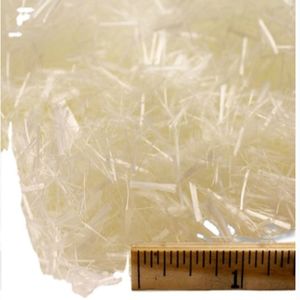
Applications of Fiberglass Geogrid s for Reinforcement Civil Engineering Fiber Knitted Geogrid
Applications of Fiberglass Geogrids in Civil Engineering
Strong Assistance for Roads and Pavements
Fiberglass geogrids are commonly used to strengthen roadways and sidewalks. They aid stop cracks from spreading through asphalt layers. When put between pavement layers, these geogrids wait with each other. This makes the road last much longer and decreases the demand for fixings.
Steady Structures for Railways
Train tracks need solid ground underneath. Fiberglass geogrids add toughness to the soil below the tracks. They spread out heavy train tons over a larger location. This maintains the track degree and secure for day-to-day usage.
Much Better Performance in Retaining Walls
Keeping walls keep back soil on inclines or hills. Including fiberglass geogrids behind the wall surface gives added assistance. The geogrids lock right into the soil and act like inner anchors. This prevents the wall from leaning or breaking down gradually.
Efficient Incline Defense
On high inclines, soil can conveniently move or wash away. Fiberglass geogrids maintain the surface area by holding soil particles in place. They function well with plant life or concrete coverings to secure versus disintegration. This is especially useful near freeways or shores.
Lightweight Yet Sturdy Solution
These geogrids are made from woven fiberglass coated with protective products. They stand up to damage from chemicals, mongobo, le liphetoho boemong ba mocheso. Despite the fact that they are light, they lug high tensile strength. Installation is quick and does not need hefty tools.
Inexpensive for Large Projects
Making use of fiberglass geogrids cuts long-term expenses. They minimize the amount of fill product needed. Maintenance costs go down due to the fact that structures remain stable much longer. Lots of engineers select them for big framework work like flight terminals, likou, and freeways.
Boemo ba Khoebo
Re moetapele oa lefats'e oa konkreite e bobebe le tharollo ea foam e tsoetseng pele. E tsebahala lefatšeng ka bophara ka boitlamo ba eona ba ho etsa lipatlisiso, popontshwa, le botsebi bo sebelisitsoeng, esale re fana ka tharollo ea foam e entsoeng ka boenjiniere ho tloha qalong ea 2012.
Re ka fana ka motsoako oa boleng bo holimo oa konkreite le lihlahisoa tse amanang le konkreite ea foam lefatšeng ka bophara.
Khampani e na le lefapha la litsebi tsa theknoloji le lefapha la tlhokomelo ea boleng, laboratori e nang le lisebelisoa hantle, hape e na le lisebelisoa tse tsoetseng pele tsa tlhahlobo le setsi sa litšebeletso tsa bareki ka mor'a thekiso.
Haeba u thahasella, ka kopo ikutloe u lokolohile 'me u ikopanye le rona.
Tefo
T/T, phetiso ea chelete e bitsoang western union, Paypal, Credit Card etc.
Thomello
Ka moea, ka leoatle, ka Express, joalo ka ha bareki ba kopa.
5 FAQs of Fiberglass Geogrid s for Reinforcement Civil Engineering Fiber Knitted Geogrid
Frequently Asked Questions About Fiberglass Geogrid for Civil Engineering
What is fiberglass geogrid used for?
Fiberglass geogrid strengthens soil and pavement structures. It is commonly used in road construction, ho boloka marako, matsoapo, le metheo. The grid holds materials together and spreads loads evenly. This helps prevent cracks and extends the life of the structure.
Why choose fiberglass over other geogrid materials?
Fiberglass geogrid has high tensile strength and resists stretching. Ha e bole, senya, or break down in harsh weather. It also handles heavy loads better than plastic or polyester grids. These features make it ideal for long-term civil engineering projects.
How is fiberglass geogrid installed?
The ground must be leveled and compacted first. Joale, unroll the geogrid over the surface without wrinkles. Overlap edges as needed and secure with pins or staples. Ka mor'a moo, place soil, aggregate, or asphalt on top and compact it firmly. Proper installation ensures full performance.
Can it work in wet or acidic environments?
Ee. Fiberglass geogrid is coated with a protective polymer that resists water, lik'hemik'hale, le mahlaseli a UV. It stays strong even in wet ground or acidic soil. This makes it reliable in many different site conditions.
Does it help reduce project costs?
It often lowers overall costs. By reinforcing weak soils, it reduces the need for expensive fill material. It also cuts maintenance expenses because roads and structures last longer. Faster construction times add further savings.
KOPO KHOPO
LIHLAHISO TSE HLAHANG
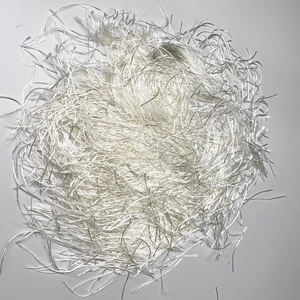
polypropylene fibre high tenacity polypropylene fiber for concrete concrete pp fiber for concrete
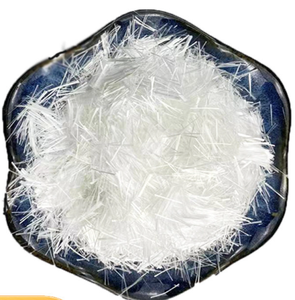
Boleng bo Phahameng ba Basalt Konkreite Fiber Strand bakeng sa Sekontiri se Katoana sa Samente

High quality polypropylene fiber Low concrete additive reinforcement fiber
Fiberglass bakeng sa Cement Mortar Concrete Reinforcement Anti-Seepage le Anti-Cracking Cement Mix bakeng sa Moaho oa Mabota Serapeng sa Floor
Khoele ea konkreite ea polypropylene, khetho e ncha ea lisebelisoa tsa boenjiniere
