


Li-additives tsa Konkreite tse bobebe | Li-Agents tse Foaming tse Phahameng ka ho Fetisisa bakeng sa Konkreite ea Cellular


LITLHAKISO TSA LITŠOANTŠISO
Tlhaloso
Overview of Concrete Foaming Agent for Lightweight Concrete in Residential Foundation Void Fill
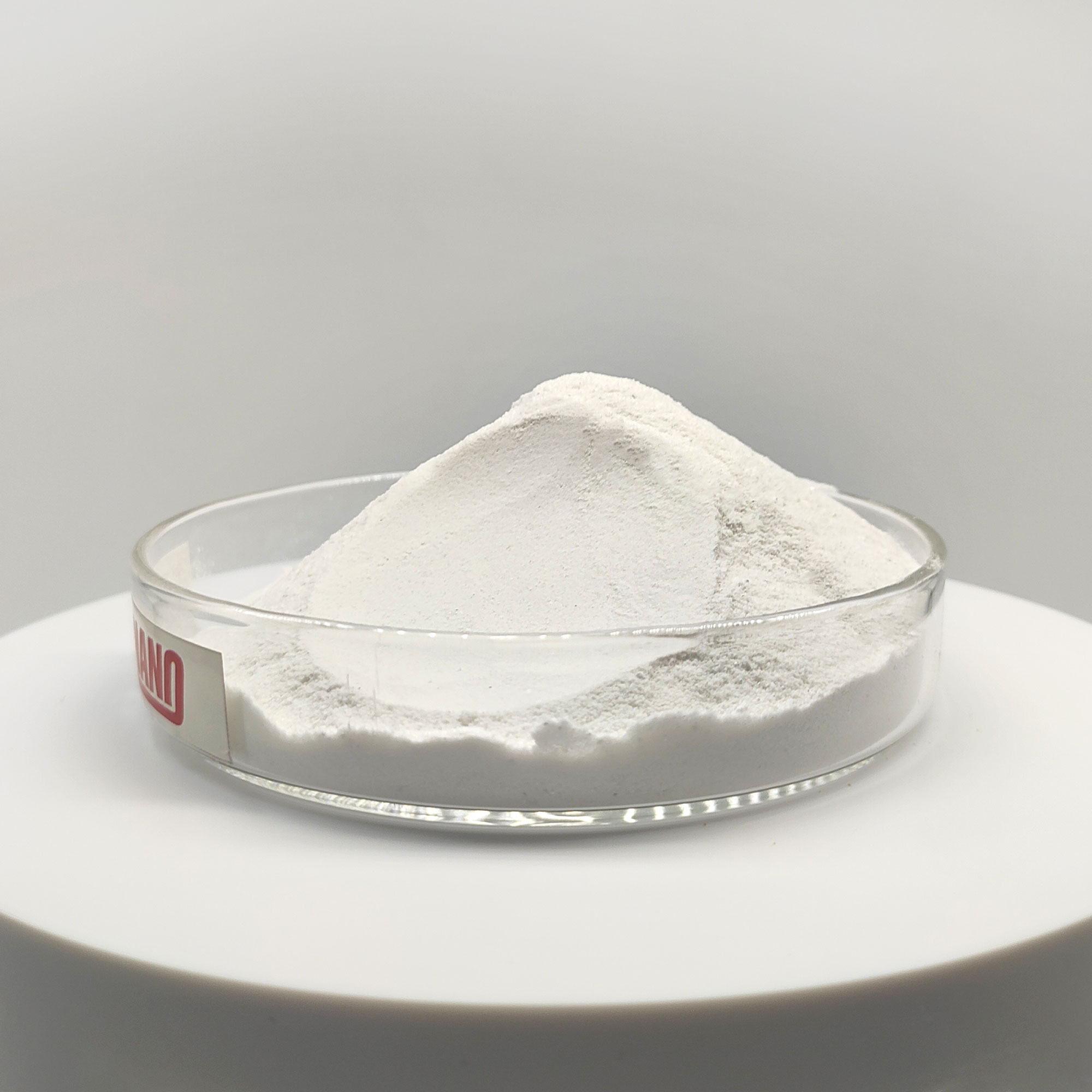
Concrete Foaming Agent for Lightweight Concrete in Residential Foundation Void Fill is a surfactant that generates large quantities of uniform, foam e tsitsitseng ka mekgoa ya mmele kapa ya dikhemikhale. Ha foam ena e tsoakane ka botlalo le seretse se thehiloeng ho samente (samente, fofa molora, etc.) ebile e phekotsoe ka tlhaho kapa ka mouoane, e etsa ntho e ncha e bobebe—konkreite ea foam—ka hare e tletseng lisele tse ngata tse koetsoeng tsa moea.
Features of Concrete Foaming Agent for Lightweight Concrete in Residential Foundation Void Fill
1. Karolelano e phahameng ea ho atisa Foam: Karo-karolelano e phahameng ea foam e lumella ho hlapolloa pele ho sebelisoa. K'hilograma e le 'ngoe ea concentrate e hlahisa molumo o moholo oa foam e tšoanang, ho boloka litšenyehelo tse kholo.
2. Botsitso bo matla ba Foam: E hlahisa ho mamella, mabota a foam a matle ka tsela e tshwanang a hananang le ho putlama kapa ho thubeha. E mamella ka katleho khatello e tsoang ho slurry ea samente, ho netefatsa lisele tsa moea tse ikemetseng le tse tiisitsoeng ka har'a sehlahisoa se felileng.
3. Sebopeho sa Pore e sa Tšoaneng le e Ntle: Konkreite ea foam e bonts'a sebopeho se setle sa kahare sa li-micro-pores tse koetsoeng, ho netefatsa thepa e phahameng ea 'mele.
4. Tšebeliso e Tlase ea Lintho: E fihlella maemo a lekanang le a matla ka litekanyetso tse tlase ho feta lihlahisoa tse tloaelehileng tsa mmaraka, ho fokotsa litšenyehelo.
5. Eco-friendly ebile e bolokehile: Tlhaho e sa nke lehlakore, e senang chefo, e senang monko, ebile e sa senyehe, e sa hlahiseng kotsi tikolohong kapa maphelong a batho. E khethiloe e le thepa ea kaho e tala.
6. Ho ikamahanya le maemo ho pharaletseng: E lumellana hantle le samente e fapaneng (ho kenyelletsa samente e tloaelehileng ea Portland le samente ea aluminate) le metsoako. Ketso e potlakileng ea ho phoka lekobo le botsitso bo atolositsoeng ba foam.

Specifications of Concrete Foaming Agent for Lightweight Concrete in Residential Foundation Void Fill
Specifications of Concrete Foaming Agent for Lightweight Concrete in Residential Foundation Void Fill
Tlhaloso ea Sehlahisoa
This concrete foaming agent is made for creating lightweight cellular concrete. It is used to fill voids under residential foundations. Sehlahisoa se kopanya habonolo le metsi le samente. E etsa hore e tsitsa, uniform foam that stays consistent during placement.
Lintlha tsa Ts'ebetso ea Bohlokoa
The foaming agent produces strong, durable foam bubbles. These bubbles do not break down quickly. This helps keep the concrete light but solid after it sets. The final mix weighs between 20 ho 50 liponto ka leoto la cubic. This low density reduces stress on weak or unstable soil.
It flows well into tight or uneven spaces. This ensures full coverage without manual tamping. The material sets without shrinking much. That means fewer cracks and better support over time.
Litlhoko tsa Tekheniki
– Karolelano ea dilution: Kopanya 1 part foaming agent with 20 ho 40 likarolo tsa metsi.
– Boima ba foam: Target range is 2.5 ho 4.0 liponto ka leoto la cubic.
– Boemo ba pH: Between 6.5 le 8.0 for compatibility with standard cements.
– Polokelo: Boloka sebakeng se phodileng, sebaka se omileng. U se ke ua e lumella hore e hatsele. Shelf bophelo ke 12 months in original sealed containers.
Litaelo tsa Tšebeliso
Use clean water and Portland cement Type I or II. Generate foam using a standard foam generator. Add foam to the slurry slowly while mixing. Place the mix right after preparation. Do not remix or add extra water once foam is added. Cure as you would with regular concrete—keep moist for at least 48 hours in dry conditions.
This foaming agent meets ASTM C869 standards for foam stability and performance. It works well in both warm and cold climates when handled properly. Always follow local building codes and engineering instructions during use.
Applications of Concrete Foaming Agent for Lightweight Concrete in Residential Foundation Void Fill
Applications of Concrete Foaming Agent for Lightweight Concrete in Residential Foundation Void Fill
Why Use Lightweight Concrete for Void Filling?
Homeowners and builders often face gaps or voids under residential foundations. These spaces can form from soil settling, erosion, or poor initial compaction. Left unfilled, they may cause structural issues over time. Traditional fill materials like gravel or standard concrete are heavy. Their weight can add stress to already weakened soil or slabs. Lightweight concrete made with a konkreite e phophomang maqeba solves this problem.
Kamoo E Sebetsang Kateng
A concrete foaming agent mixes with water and cement to create stable air bubbles. These bubbles reduce the overall density of the mix. The result is a lightweight yet strong material that flows easily into tight or uneven spaces. It fills voids completely without needing vibration or tamping. This makes it ideal for hard-to-reach areas under slabs or around utility lines.
Key Benefits for Residential Projects
Low weight means less load on underlying soils. This helps prevent further settlement. The material also has good thermal insulation properties, which can help with energy efficiency under floors. Hobane e pompa, crews can place it quickly with minimal disruption to landscaping or interior spaces. Cleanup is simple, and the mix sets without shrinking or cracking.
Maemo a Tšebeliso a Sebetsang
Contractors use this lightweight concrete to fill voids under garage slabs, mathule, le mekato e ka tlaase. It’s also common after plumbing repairs or termite treatments where soil was removed. Homeowners appreciate the fast turnaround—many jobs finish in a single day. The foamed concrete bonds well with existing structures and resists washout from minor water exposure.
Using a quality concrete foaming agent ensures consistent performance. Always follow manufacturer guidelines for water ratios and mixing times. Proper application leads to reliable, long-lasting support beneath your home’s foundation.
Boemo ba Khoebo
Re moetapele oa lefats'e oa konkreite e bobebe le tharollo ea foam e tsoetseng pele. E tsebahala lefatšeng ka bophara ka boitlamo ba eona ba ho etsa lipatlisiso, popontshwa, le botsebi bo sebelisitsoeng, esale re fana ka tharollo ea foam e entsoeng ka boenjiniere ho tloha qalong ea 2012.
Re ka fana ka motsoako oa boleng bo holimo oa konkreite le lihlahisoa tse amanang le konkreite ea foam lefatšeng ka bophara.
Khampani e na le lefapha la litsebi tsa theknoloji le lefapha la tlhokomelo ea boleng, laboratori e nang le lisebelisoa hantle, hape e na le lisebelisoa tse tsoetseng pele tsa tlhahlobo le setsi sa litšebeletso tsa bareki ka mor'a thekiso.
Haeba u thahasella, ka kopo ikutloe u lokolohile 'me u ikopanye le rona.
Tefo
T/T, phetiso ea chelete e bitsoang western union, Paypal, Credit Card etc.
Thomello
Ka moea, ka leoatle, ka Express, joalo ka ha bareki ba kopa.

5 FAQs of Concrete Foaming Agent for Lightweight Concrete in Residential Foundation Void Fill
Common Questions About Concrete Foaming Agent for Lightweight Foundation Void Fill
Setsi sa konkreite se phophomang maeba ke eng?
Mokelikeli oa konkreite o foaming ke motsoako oa mokelikeli. It creates stable air bubbles when mixed into cement and water. Li-bubble tsena li etsa hore konkreite e be bobebe. Sephetho ke bobebe, flowable mix used to fill empty spaces under residential foundations.
Why use it for foundation void fill?
Traditional concrete is heavy. It can add too much load to weak or settled soil. Lightweight foam concrete puts less pressure on the ground. It flows easily into tight or uneven gaps. This helps support the foundation without causing more settling.
Is it strong enough for structural support?
Ee, empa ka meeli. Foam concrete used for void fill is not meant to carry heavy building loads. It provides uniform support and prevents further sinking. Its strength depends on the mix design. Most residential void fills use densities between 30–50 pounds per cubic foot, which is enough for stabilization.
How long does it take to cure?
It sets quickly. Surface drying often happens within a few hours. Full curing takes about 24 ho 48 lihora, depending on temperature and humidity. You can usually walk on it the next day. Heavy equipment should wait until full strength is reached.
Is it safe for homes and the environment?
Most modern foaming agents are non-toxic and eco-friendly. They do not contain harmful solvents or ozone-depleting chemicals. Hang ha o fodile, the foam concrete is inert. E ke ke ea bola, attract pests, or leach chemicals into the soil around your home. Always check the product’s safety data sheet before use.
KOPO KHOPO
LIHLAHISO TSE HLAHANG
Moemeli oa Boleng o Phahameng oa Konkreite o Foaming bakeng sa Li-blocks tsa CLC tsa Cellular tse bobebe
Concrete Foaming Agent for Lightweight Brick Production and Wall Panel Casting
Concrete Foaming Agent for Lightweight Concrete in Wind Turbine Foundation Tlatsa
Moemeli oa Konkreite o Foaming bakeng sa Konkreite e Bobebe ka har'a Resin Manufacturing Tlatsa
Moemeli oa Konkreite o Foaming bakeng sa Konkreite e Bobebe ka ho Tlatsa Letlapa le Phahameng