


Te mau tao'a tahi mâmâ | Te mau rave'a haaparareraa parau teitei no te cellular concrete


TE MAU PARAMETERS
Tuʻaroʻa
Overview of Concrete Foaming Agent for Lightweight Concrete in Residential Foundation Void Fill
Concrete Foaming Agent for Lightweight Concrete in Residential Foundation Void Fill is a surfactant that generates large quantities of uniform, te hoê hu'ahu'a papû na roto i te mau rave'a pae tino aore ra chemical. Ia anoihia teie hu'ahu'a i te hoê hu'ahu'a sima (sima, rehu rere, e tē vai atura.) e faaorahia ma te huru natura e aore râ, na roto i te ahu, te hamani ra te reira i te hoê tao'a mâmâ apî—te hoê hu'ahu'a—tei î i roto i te mau tao'a tahi mata'i e rave rahi.
Features of Concrete Foaming Agent for Lightweight Concrete in Residential Foundation Void Fill
1. Te faito teitei o te Foam: E faati'a te faito faarahiraa teitei o te hu'ahu'a i te dilution hou a faaohipa ' i. E faatupu te hoê kilograme o te haaputuputuraa i te hoê faito rahi o te hu'ahu'a, Te horo'araa i te mau haamâu'araa rahi.
2. Te vai - maitai - raa o te Foam: E faatupu te reira i te itoito, Te mau patu hu'ahu'a maitai roa o te ore e topa aore ra e vavahi. E faaruru maitai oia i te faaheporaa a te sima, te haapapuraa i te mau tao'a tahi mata'i ti'amâ e te taa ê i roto i te tao'a hope.
3. Te hoê hamaniraa pore hoê â huru e te maitai: E faaite mai te hu'ahu'a i te hoê hamaniraa maitai roa i roto i te mau micro-pores piriha'i, te haapapuraa i te mau huru pae tino maitai a'e.
4. Te faaohiparaa iti i te mau tao'a: E noaa mai te hoê â faito density e te puai e te hoê faito iti a'e i te mau tao'a matete matauhia, te faaitiraa mai i te mau haamâu'araa.
5. E mea au a'e e e mea paruru: Te faanahoraa Neutral, aita e taero, aita e hanahana, e aita e ino, aita e faainoraa i te mau mea e haaati ra ia tatou aore ra i te oraora - maitai - raa o te taata. Ua faataahia te reira ei tao'a paturaa matie.
6. Te aravihi rahi no te farii i te mau mea: Te taairaa maitai roa e te mau sima e rave rahi (e tae noa'tu i te sima Portland e te sima aluminate) e te mau anoiraa. Te hoê ohipa hu'ahu'a vitiviti e te hoê papu-maitai-raa o te hu'ahu'a.

Specifications of Concrete Foaming Agent for Lightweight Concrete in Residential Foundation Void Fill
Specifications of Concrete Foaming Agent for Lightweight Concrete in Residential Foundation Void Fill
Hi'opo'araa i te tao'a
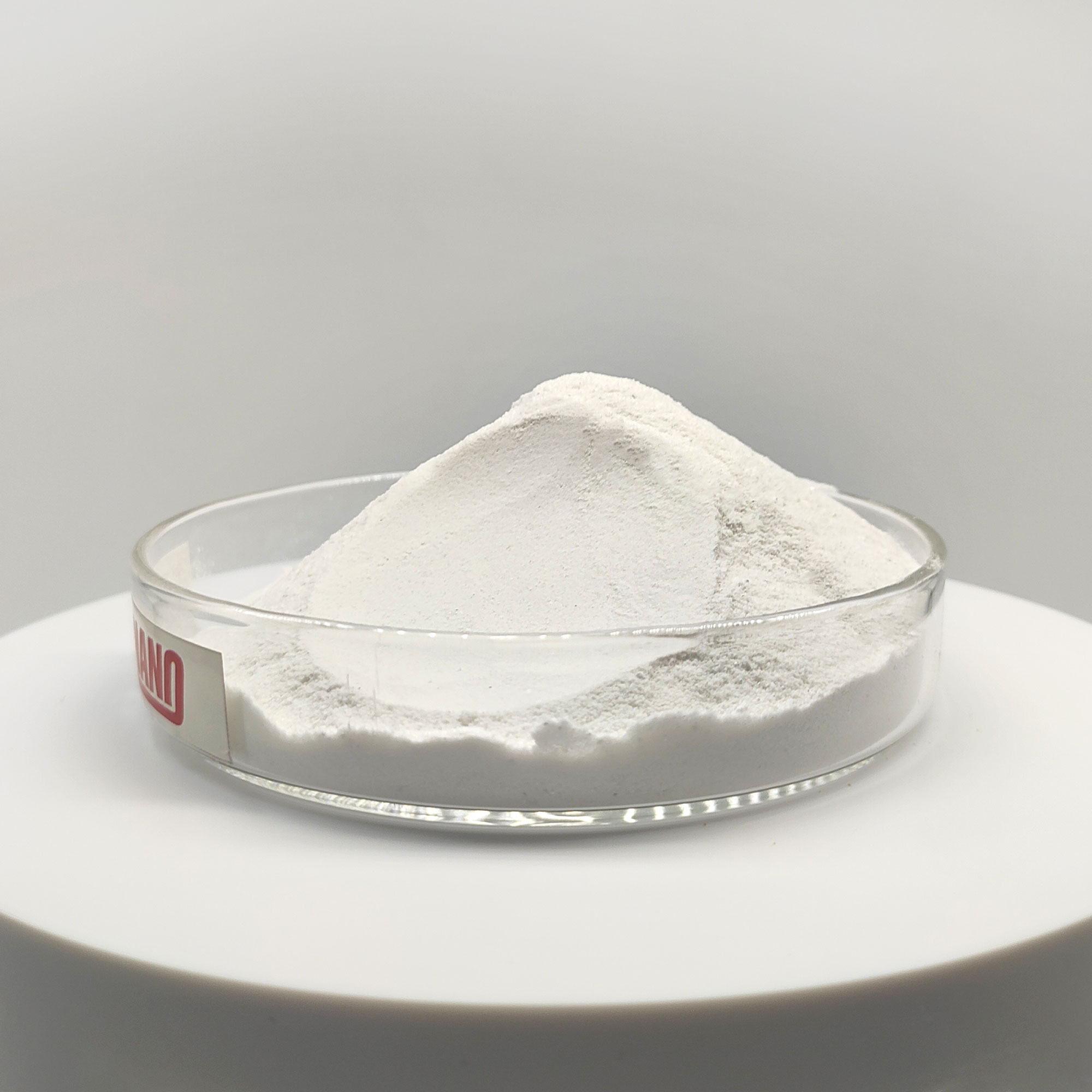
This concrete foaming agent is made for creating lightweight cellular concrete. It is used to fill voids under residential foundations. The product mixes easily with water and cement. E faatupu te reira i te, uniform foam that stays consistent during placement.
Te mau hoho'a rahi no te ha'utiraa
The foaming agent produces strong, durable foam bubbles. These bubbles do not break down quickly. This helps keep the concrete light but solid after it sets. The final mix weighs between 20 a 50 pounds i te avae cubic. This low density reduces stress on weak or unstable soil.
It flows well into tight or uneven spaces. This ensures full coverage without manual tamping. The material sets without shrinking much. That means fewer cracks and better support over time.
Te mau titauraa i te pae no te rave'a aravihi
– Te faito o te dilution: Mix 1 te hoê tuhaa o te hu'ahu'a 20 a 40 Te mau tuhaa o te pape.
– Te î o te hu'ahu'a: Target range is 2.5 a 4.0 pounds i te avae cubic.
– pH level: I roto 6.5 e 8.0 for compatibility with standard cements.
– Fa'anaho: Keep in a cool, vahi maro. Eiaha e vaiiho ia toetoe. Te oraraa shelf 12 ava'e i roto i te mau farii taa ê matamua.
Te mau arata'iraa no te faaohiparaa
Use clean water and Portland cement Type I or II. Generate foam using a standard foam generator. Add foam to the slurry slowly while mixing. Place the mix right after preparation. Do not remix or add extra water once foam is added. Cure as you would with regular concrete—keep moist for at least 48 hours in dry conditions.
This foaming agent meets ASTM C869 standards for foam stability and performance. It works well in both warm and cold climates when handled properly. Always follow local building codes and engineering instructions during use.
Applications of Concrete Foaming Agent for Lightweight Concrete in Residential Foundation Void Fill
Applications of Concrete Foaming Agent for Lightweight Concrete in Residential Foundation Void Fill
Why Use Lightweight Concrete for Void Filling?
Homeowners and builders often face gaps or voids under residential foundations. These spaces can form from soil settling, erosion, or poor initial compaction. Left unfilled, they may cause structural issues over time. Traditional fill materials like gravel or standard concrete are heavy. Their weight can add stress to already weakened soil or slabs. Te hoê raima mâmâ tei hamanihia e te hoê Taata hu'ahu'a sima solves this problem.
Nahea te reira e ohipa ai
A concrete foaming agent mixes with water and cement to create stable air bubbles. These bubbles reduce the overall density of the mix. The result is a lightweight yet strong material that flows easily into tight or uneven spaces. It fills voids completely without needing vibration or tamping. This makes it ideal for hard-to-reach areas under slabs or around utility lines.
Key Benefits for Residential Projects
Low weight means less load on underlying soils. This helps prevent further settlement. The material also has good thermal insulation properties, which can help with energy efficiency under floors. Because it’s pumpable, crews can place it quickly with minimal disruption to landscaping or interior spaces. Cleanup is simple, and the mix sets without shrinking or cracking.
Practical Use Cases
Contractors use this lightweight concrete to fill voids under garage slabs, mau fare'a, and basement floors. It’s also common after plumbing repairs or termite treatments where soil was removed. Homeowners appreciate the fast turnaround—many jobs finish in a single day. The foamed concrete bonds well with existing structures and resists washout from minor water exposure.
Using a quality concrete foaming agent ensures consistent performance. Always follow manufacturer guidelines for water ratios and mixing times. Proper application leads to reliable, long-lasting support beneath your home’s foundation.
Hoho'a o te Taiete
O tatou te ti'a faatere o te ao nei i roto i te mau rave'a no te faatitiaifaro i te mau rave'a hamaniraa tauihaa. Ua matau - maitai - hia oia na te ao nei no to ' na fafauraa i te maimiraa, Fa'aterehia, e te ite aravihi, mai te omuaraa mai â o te mau matahiti 2012 mai â, ua horo'a matou i te mau rave'a no te faatitiaifaro i te mau fifi.
Na te ao taatoa nei, e nehenehe ta tatou e horo'a i te mau tao'a faaineineraa ti'a teitei e te mau tao'a hu'ahu'a.
E tuhaa ohipa aravihi to te taiete e te hoê tuhaa fenua no te hi'opo'araa i te maitai, te hoê piha maimiraa tei faaineine-maitai-hia, e te mau rave'a hi'opo'araa aravihi e te hoê pû taviniraa i muri a'e i te hooraa.
Mai te mea e, te anaanatae ra outou, A faaite mai ia matou.
Aufau
T/T, Tooa o te râ, Paypal, Tareta tarahu etc.
Te tonoraa
Na roto i te reva, na te moana, na roto i te faaiteraa, mai ta te feia hoo tao'a e ani ra.

5 FAQs of Concrete Foaming Agent for Lightweight Concrete in Residential Foundation Void Fill
Common Questions About Concrete Foaming Agent for Lightweight Foundation Void Fill
Eaha te hoê tao'a hu'ahu'a?
Ua riro te hoê tao'a hu'ahu'a simeni ei tao'a faaî i te pape. It creates stable air bubbles when mixed into cement and water. Na teie mau hu'ahu'a e haamâmâ a'e i te raima. The result is a lightweight, flowable mix used to fill empty spaces under residential foundations.
Why use it for foundation void fill?
Traditional concrete is heavy. It can add too much load to weak or settled soil. Lightweight foam concrete puts less pressure on the ground. It flows easily into tight or uneven gaps. This helps support the foundation without causing more settling.
Is it strong enough for structural support?
ae, tera râ, e mau otia. Foam concrete used for void fill is not meant to carry heavy building loads. It provides uniform support and prevents further sinking. Its strength depends on the mix design. Most residential void fills use densities between 30–50 pounds per cubic foot, which is enough for stabilization.
How long does it take to cure?
It sets quickly. Surface drying often happens within a few hours. Full curing takes about 24 a 48 hora, depending on temperature and humidity. You can usually walk on it the next day. Heavy equipment should wait until full strength is reached.
Is it safe for homes and the environment?
Most modern foaming agents are non-toxic and eco-friendly. They do not contain harmful solvents or ozone-depleting chemicals. I muri a'e i to ' na faaoraraa, the foam concrete is inert. Eita te reira e pirau, Ume i te mau animala ino, or leach chemicals into the soil around your home. Hou a faaohipa ' i, a hi'opoa tamau i te api haamaramaramaraa no nia i te parururaa o te tao'a.
A TINIRAA I TE HOÊ PARAU
TE MAU HOPO'A FAATAA
Faaî i te niu o te mata'i no te mau hu'ahu'a no te hu'ahu'a mo'amo'a
Te hoê rave'a no te hamaniraa i te CLC Block
Hot Concrete Blocks Use CLC Block Concrete Foaming Agent for

Te hoê rave'a no te hamani oioi i te mau CLC Blocks
Te mau hu'ahu'a teitei o te protein Surfactant no te mau fare hamaniraa tauihaa