Li-additives tsa Konkreite tse bobebe | Li-Agents tse Foaming tse Phahameng ka ho Fetisisa bakeng sa Konkreite ea Cellular

LITLHAKISO TSA LITŠOANTŠISO
Tlhaloso
Introduction to Hydroxypropyl Methyl Cellulose HPMC Chemical Auxiliary Agent for Industrial Use
Hydroxypropyl methylcellulose (HPMC), eo lebitso la hae la Sechaena e leng hydroxypropyl methylcellulose, ke semi-synthetic, non-ionic cellulose ether e fumanoang ka ho fetola lik'hemik'hale selulose ea tlhaho. Phofo ena e tšoeu e ka etsa tharollo e hlakileng ea viscous ka mor'a hore e qhibilihe ka metsing. E na le thickening e babatsehang, ho boloka metsi, botsitso le thepa ea ho etsa lifilimi. Ke tlatsetso ea bohlokoa ea mesebetsi e mengata mafapheng a mangata joalo ka kaho.
Characteristics and advantages of Hydroxypropyl Methyl Cellulose HPMC Chemical Auxiliary Agent for Industrial Use
Ho qhibiliha ha metsi hantle: E ka qhibiliha ka potlako metsing a batang ho etsa tharollo e hlakileng le e tsitsitseng.
Bokhoni bo sebetsang ba ho tiisa le ho boloka metsi: Eketsa viscosity ea lintho tse bonahalang, ka katleho fokotsa mouoane oa metsi, le ho ntlafatsa katleho ea mosebetsi.
Botsitso bo botle: E na le botsitso bo botle ho li-acids, alkalis, le matsoai, mme e loketse mefuta e mengata ya pH ya boleng.
Ho etsa lifilimi le litlamorao tse sireletsang: Kamora ho omisa, e etsa filimi e thata le e hlakileng ho sireletsa substrate le ho thibela ho kenella ha metsi le ho fetoha mouoane.
E se nang chefo ebile e sa tenehe: E na le biocompatibility e ntle mme e loketse masimo a meriana le lijo.
Ho fetoha: Ka ho fetola tekanyo ea ho fetola le boima ba molek'hule, tshebetso ea eona e ka fetoloa ho finyella litlhoko tse fapaneng tsa kopo.

Specifications of Hydroxypropyl Methyl Cellulose HPMC Chemical Auxiliary Agent for Industrial Use
Hydroxypropyl Methyl Cellulose (HPMC)– Industrial Grade Chemical Auxiliary Agent
Tlhaloso ea Sehlahisoa
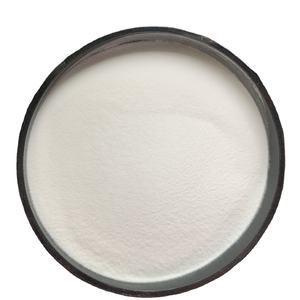
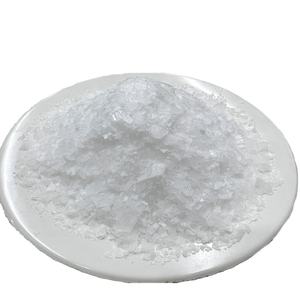
Hydroxypropyl Methyl Cellulose (HPMC) is a white or off-white powder. It is odor-free, bolokehileng, and liquifies quickly in cool water. This product functions well as a thickener, tlamahano, filimi e fetileng, le moemeli oa ho boloka metsi. It is widely made use of in building, lipente, likhomaretsi, le lisebelisoa tse ling tsa indasteri.
Litlhaloso Tse Bohlokoa
Sheba: Phofo e sa lefelloeng, white to somewhat yellowish
Methoxy content: 19%– 30%.
Likahare tsa Hydroxypropoxy: 4%– 32%.
Botenya (2% tšebeletso ho 20 °C): E fapana ho tloha 5 mPa · s ho 100,000 mPa · s (personalized based on grade).
pH boleng (2% kgetho): 6.0– 8.0.
Likahare tsa mongobo: ≤ 5%.
Likahare tsa molora: ≤ 5%.
Mocheso oa gel: 50 °C– 90 °C (e fapana ho ya ka maemo).
Bokhoni bo Akarelletsa
HPMC supplies solid water retention. This assists cement-based items remain practical much longer. It improves adhesion and decreases sagging in tile adhesives and renders. The product likewise improves the security of solutions and suspensions in layers. Its film-forming capacity develops smooth, consistent surface areas. HPMC remains steady throughout a wide pH variety and stands up to microbial attack.
Ho Tšoara le ho Boloka
Reka HPMC ka mokhoa o makatsang, sebaka se omileng ka botlalo. Maintain containers secured to prevent wetness absorption. Use common industrial hygiene methods when taking care of. Thibela ho hema lerole. Apara liaparo tsa matsoho le tšireletso ea mahlo ha ho hlokahala. The life span is year when stored properly.
Sephutheloana sa lihlahisoa
HPMC can be found in 25 kg multi-wall paper bags with an inner polyethylene liner. Personalized product packaging alternatives are available upon demand.

Applications of Hydroxypropyl Methyl Cellulose HPMC Chemical Auxiliary Agent for Industrial Use
Hydroxypropyl Methyl Cellulose (HPMC): A Versatile Industrial Helper
Why Industries Count On HPMC
Hydroxypropyl methyl cellulose, kapa HPMC, is a trusted chemical helper in many commercial processes. It originates from all-natural cellulose yet is altered in a controlled means to give it unique top qualities. These high qualities make it useful throughout different fields.
Ho Boloka Metsi le ho sebetsa
Kahong le kahong, HPMC maintains water inside cement-based mixes like ceramic tile adhesives, lipolasetere, le disebediswa tsa ho ikemela. This reduces drying. Workers obtain more time to shape and smooth the material. The final product becomes stronger and sticks much better.
Enlarging Without Trouble
HPMC thickens liquids without altering their other homes. Paint manufacturers use it so pigments stay blended and do not settle. Coatings go on evenly and cover well. In cleansing products, it helps the liquid cling to upright surface areas longer for better cleansing.
Steady Under Tension
HPMC stays secure in a vast array of temperatures and pH levels. This makes it trusted in tough conditions. Whether it’s warm or chilly, acidic or basic, HPMC keeps doing its task.
Film-Forming Power
When HPMC dries out, it creates a clear, flexible filimi. This function is key in making safety finishes, release agents, and even some types of packaging. The movie withstands oil and oil yet enables air to pass through.
E Sireletsehile 'me e Tsamaellana
HPMC blends well with most typical industrial active ingredients. It does not respond terribly with other chemicals. It is likewise safe and biodegradable, which supports more secure handling and ecological care.
Industries pick HPMC due to the fact that it solves genuine troubles simply and effectively. From building sites to manufacturing facilities, this white powder quietly boosts just how items perform and just how smoothly job gets done.
Boemo ba Khoebo
Re moetapele oa lefats'e oa konkreite e bobebe le tharollo ea foam e tsoetseng pele. E tsebahala lefatšeng ka bophara ka boitlamo ba eona ba ho etsa lipatlisiso, popontshwa, le botsebi bo sebelisitsoeng, esale re fana ka tharollo ea foam e entsoeng ka boenjiniere ho tloha qalong ea 2012.
Re ka fana ka motsoako oa boleng bo holimo oa konkreite le lihlahisoa tse amanang le konkreite ea foam lefatšeng ka bophara.
Khampani e na le lefapha la litsebi tsa theknoloji le lefapha la tlhokomelo ea boleng, laboratori e nang le lisebelisoa hantle, hape e na le lisebelisoa tse tsoetseng pele tsa tlhahlobo le setsi sa litšebeletso tsa bareki ka mor'a thekiso.
Haeba u thahasella, ka kopo ikutloe u lokolohile 'me u ikopanye le rona.
Tefo
T/T, phetiso ea chelete e bitsoang western union, Paypal, Credit Card etc.
Thomello
Ka moea, ka leoatle, ka Express, joalo ka ha bareki ba kopa.
5 FAQs of Hydroxypropyl Methyl Cellulose HPMC Chemical Auxiliary Agent for Industrial Use
Lipotso Tse Botsoang Hangata ka Hydroxypropyl Methyl Cellulose (HPMC)
HPMC e sebelisetsoa eng lits'ebetsong tsa indasteri?
HPMC is a common chemical additive. E sebetsa e le motenya, tlamahano, le ntho e bolokang metsi. Industries use it in construction materials like tile adhesives and cement-based products. It also appears in paints, likoahelo, and some pharmaceutical formulations.
Why choose HPMC over other cellulose ethers?
HPMC offers good stability across a wide pH range. It dissolves easily in cold water and forms clear solutions. Its performance stays consistent under heat and in alkaline conditions. These traits make it reliable for many industrial processes.
HPMC e ntlafatsa thepa ea kaho joang?
In mortars and plasters, HPMC holds water longer. This helps cement hydrate fully, e matlafatsang sehlahisoa sa ho qetela. E boetse e etsa hore motsoako o be bonolo le ho hasana habonolo. Workers get better workability and less material waste.
Is HPMC safe to handle in factories?
Ee. HPMC is non-toxic and not classified as hazardous. Standard safety measures still apply—wear gloves and avoid breathing dust. E boloke sebakeng se omileng hole le mongobo ho boloka boleng ba eona bo tsitsitse.
What grades of HPMC are available for industrial use?
Manufacturers offer different grades based on viscosity, substitution level, and particle size. Low-viscosity types suit spray applications. High-viscosity grades work well in thick pastes or gels. Always pick the grade that matches your process needs.
KOPO KHOPO
LIHLAHISO TSE HLAHANG

Feme ea Setsebi Hydroxypropyl Methyl Cellulose HPMC PH 7.5 ho 8.5 Powder White Granular PAC bakeng sa Shampoo
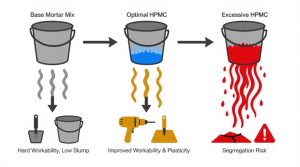
Hydroxy Propyl Methyl Cellulose (HPMC) ka li-cps tse fapaneng
Thepa ea Moaho Cellulose Ether HEC Hemc HPMC bakeng sa Kaho Mophato oa Indasteri ho s Supply

Lik'hemik'hale Raw Materials Thickener Powder Construction Hydroxypropyl Methyl Cellulose HPMC

Hydroxypropyl Methyl Cellulose Hpmc Bakeng sa Li-additives tsa Seretse