


Ngaahi me'a tanaki sima ma'ama'a | Ngaahi fakafofonga Foaming ma'olunga-ngaue ki he sima 'o e selo

NGAAHI PALAMETA 'O E KOLOA
Fakamatala
Overview of Aerogel Insulation Felts for High Temperature and Cryogenic Applications
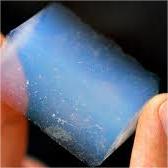
Aerogel Insulation Felts for High Temperature and Cryogenic Applications is a synthetic porous ultralight material derived from a gel, 'a ia kuo fetongi 'a e konga 'o e vai 'aki ha kasa .. Ko e ola ko ha me'a fefeka mo e density ma'ulalo 'aupito mo e conductivity mafana ma'ulalo ., faʻa ui fakatenetene “kohu ‘aisi.” Neongo hono fōtunga vaivaí ., ‘e lava ke ‘enisinia‘i ia ke mālohi fakaofo ., ‘oku ne ma’u ‘a e hingoa ‘o e naunau fefeka insulating lelei taha ‘i mamani.
Features of Aerogel Insulation Felts for High Temperature and Cryogenic Applications
-
Ko e Mafana Ma’ulalo Taha ‘i Mamani: 'Oku ne 'omi 'a e fakahoko 'o e insulation ta'ehanotatau ., ‘oku mā‘olunga mama‘o ange ia ‘i he ngaahi naunau tukufakaholó ..
-
Density Ma'ulalo 'aupito: Ko e taha ʻo e ngaahi meʻa fefeka maʻamaʻa taha ʻoku ʻiloʻi ʻe he tangatá ., mo ha fa‘u ‘o a‘u ki he 100. 99.8% 'ea.
-
'Elia 'o e Funga Ma'olunga: 'Oku ne ma'u ha 'elia 'o e funga 'o e loto 'oku fu'u lahi 'aupito ., 'o 'ai ke mahu'inga ki he ngaahi polokalama filtration mo e absorption ..
-
Fa'u kehekehe: 'E lava ke ngaohi mei he ngaahi naunau kehekehe ., kau ai 'a e silika, kaponi, mo e ngaahi oxides ukamea ., takitaha mo e ngaahi koloa makehe ..
-
Porosity makehe: 'Oku fatongia'aki 'e hono fokotu'utu'u nanoporous 'a hono ngaahi malava insulating ma'ongo'onga ..

Kofukofu'i 'o e Airgel
Specifications of Aerogel Insulation Felts for High Temperature and Cryogenic Applications
Specs of Aerogel Insulation Felts for Heat and Cryogenic Applications
Fa'unga 'o e Koloa
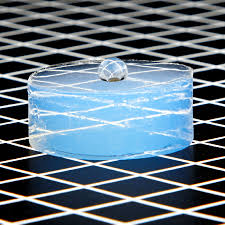
Ngaahi ongo'i 'o e 'eagel 'o e 'inisulasi are made from silica aerogel combined with reinforcing fibers. The fibers are usually glass or ceramic. This mix offers the felt both stamina and adaptability. The material is lightweight however supplies strong thermal resistance.
Mafana 'o e 'ea
These felts work well in extreme conditions. They can handle temperatures as high as 650 ° C(1200 ° F). On the cool side, they remain effective down to -269 ° C(-452 ° F), close to absolute no. This makes them appropriate for both industrial furnaces and cryogenic storage systems.
Fakahokohoko 'o e mafana
The essential advantage of aerogel felts is their extremely reduced thermal conductivity. At space temperature, it gauges around 0.013– 0.018 W/(m · K). Even at high or reduced temperatures, efficiency stays regular. Much less warmth passes through, so energy loss drops dramatically.
Thickness and Density
Standard thickness varies from 160 ki 220 kg/m FĀ. Typical density alternatives include 3 mm, 6 mm, 10 mm, mo e 20 mm. Thicker layers offer far better insulation however take up even more area. Users can pick based on area limits and performance needs.
Water Repellency and Durability
A lot of aerogel felts are dealt with to repel water. They withstand wetness without losing insulating power. The material additionally resists compression and keeps its shape with time. It does not clear up or diminish like some conventional insulators.
Malu mo e Tokanga'i
Aerogel felts contain no harmful binders. They are safe to manage with standard protective equipment. The item meets common fire safety and security standards and does not support flame spread. It creates marginal dust during reducing or setup.
Applications of Aerogel Insulation Felts for High Temperature and Cryogenic Applications
Applications of Aerogel Insulation Felts for Heat and Cryogenic Use
Extreme Heat Security
Aerogel insulation felts work well in very hot atmospheres. They manage temperature levels up to 650 ° C( 1200 ° F)'o 'ikai mole 'a e fakahoko ngaue .. These felts are light but solid. They quit heat from relocating with pipes, kau fakatupu, mo e ngaahi sisitemi faka'auha .. Ngaahi ngaue'anga hange ko e lolo mo e kasa ., fakatupu ivi, and manufacturing utilize them to keep tools safe and reliable. The product remains secure even after long exposure to high heat.
Cold Temperature Level Performance
The very same felts also carry out in incredibly cool problems. They are used in cryogenic systems that save or move melted gases like LNG, liquid nitrogen, or oxygen. At temperatures below -200 ° C (-328 ° F), standard insulators commonly fail. Aerogel felts do not. Their framework blocks warm transfer from the outside, maintaining contents chilly and lowering boil-off loss. This saves energy and cuts running prices.
Flexible and Easy to Set up
Aerogel insulation felts can be found in versatile rolls or pre-cut shapes. They fit about complex parts like valves, bends, and joints. Workers can reduce them with standard tools. ‘Oku ‘ikai fiema‘u ha ako makehe .. The material resists moisture, which aids protect against rust under insulation– an usual trouble in severe setups. It additionally does not clear up or compress gradually, so thermal performance stays regular.
Malu mo e Tauhi Lao
These felts satisfy rigorous fire safety requirements. They are non-combustible and generate reduced smoke when revealed to flame. Lots of versions have no harmful fibers, making them more secure for employees throughout handling. They abide by international codes for both industrial and aquatic applications. Customers obtain dependable security without additional threat.
Fakamatala ʻo e Kautaha
Ko kimautolu 'a e taki fakamamani lahi 'i he sima ma'ama'a mo e ngaahi fakalelei'anga foam 'enisinia fakalakalaka .. 'Iloa 'i mamani 'i he'ene tukupa ki he fakatotolo ., fakakaukau fo'ou, mo e taukei faka'aonga'i ., kuo mau 'oatu 'a e ngaahi fakalelei'anga foam 'enisinia talu mei he kamata'anga 'o e 2012’s ..
'E lava ke tau 'oatu 'a e admixture sima tu'unga ma'olunga mo e ngaahi koloa fekau'aki mo e foam sima 'i he mamani kotoa ..
'Oku 'i ai ha potungaue fakatekinikale fakapalofesinale 'a e kautaha mo e potungaue tokanga'i 'o e tu'unga lelei ., ko ha fale fakatotolo fakakemi kuo fakanaunau‘i lelei ., pea fakanaunau'i 'aki 'a e ngaahi me'angaue sivi fakalakalaka mo e senitaa tokoni ki he kasitomaa hili hono fakatau atu ..
Kapau 'oku ke fie'ilo ., kataki 'o ongo'i tau'ataina pea fetu'utaki mai.
Totongi
T/T, ʻIunioni Hihifo, Paypal, Kaati fakamo'ua etc ..
Uta
ʻI he ʻeá, ʻi tahi, 'aki 'a e fakahaa'i, hange ko e kole 'a e kau kasitomaa.
5 FAQs of Aerogel Insulation Felts for High Temperature and Cryogenic Applications
Frequently Asked Questions About Aerogel Insulation Felts
What are aerogel insulation felts made of?
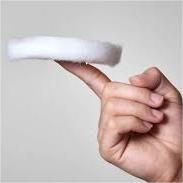
Aerogel insulation felts combine silica aerogel with reinforcing fibers like glass or ceramic. This mix creates a flexible blanket that is lightweight yet strong. The material keeps its shape and performance even under extreme conditions.
Why use aerogel felts for high-temperature applications?
These felts handle temperatures up to 650°C (1200°F) without losing effectiveness. They resist heat far better than traditional insulators. Their low thermal conductivity means less heat escapes, which saves energy and improves safety.
Are they suitable for cryogenic uses?
ʻIo. Aerogel felts work well at very low temperatures, down to -200°C (-328°F). They prevent cold loss and reduce condensation or ice buildup on pipes and tanks. This makes them ideal for LNG systems, tauhi'anga momoko, and other cryogenic setups.
How do they compare to other insulation materials?
Aerogel felts offer much better insulation in thinner layers. You get the same or better performance with less space used. ‘Oku nau toe taliteke‘i ‘a e ‘uha ., do not corrode, and last longer than many alternatives like mineral wool or foam.
Can they be cut and installed easily?
ʻIo. The felts are soft and flexible. Workers can cut them with basic tools like utility knives or scissors. They wrap tightly around pipes, valve, mo e ngaahi fōtunga ta‘efakalao ‘o ‘ikai ha ngaahi ava .. No special training or equipment is needed for most installations.
KOLE HA QUOTE
NGAAHI KOLOA 'OKU FETU'UTAKI

Fale 'o e naunau 'o e vela ko e tanaki atu 'o e Airgel 'o e mafana 'o e 'ea Gypsum efuefu

Tohi kole lahi 'a e ngaahi momo'i me'a 'o e Airgel mo e efuefu ki he fo'ou 'o e ivi 'o e me'alele 'o e maka .

High Quality Porous 99 Percent Al2O3 Plates Alumina Ceramic Block Laboratory Heating Blocks Aerogel Fiber Board

Ngaahi misini Fusing Thermo Fakafuofua'i Flatbed Uepi Laminating misini ki he Nano Airgel ongo'i mo e fio 'o e selami
lelei 'a e tu'unga lelei 'o e CE aerogel ava 'o e palanikete mo e ma'ulalo 'o e conductivity 'o e mafana