


Te mau tao'a tahi mâmâ | Te mau rave'a haaparareraa parau teitei no te cellular concrete

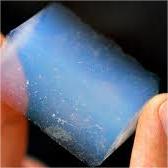
TE MAU PARAMETERS
Tuʻaroʻa
Overview of Aerogel Insulation Felts for High Temperature and Cryogenic Applications
Aerogel Insulation Felts for High Temperature and Cryogenic Applications is a synthetic porous ultralight material derived from a gel, i reira te tuhaa pape i monohia ' i e te hoê mǎhu. Te faahopearaa, o te hoê ïa tao'a etaeta e te iti roa te density e te hoê aratairaa veavea iti, Pinepine “auahi to'eto'e.” Noa ' tu to ' na hoho'a paruparu, E nehenehe te reira e hamanihia ia riro ei mea puai roa, te ti'araa o te tao'a maitai roa a'e o te ao nei.
Features of Aerogel Insulation Felts for High Temperature and Cryogenic Applications
-
Te arata'iraa ve'ave'a iti roa a'e o te ao nei: E horo'a te reira i te hoê ha'utiraa insulation aita e faaauhia, mea maitai a'e i te mau tao'a tahito.
-
Density iti roa: Te hoê o te mau tao'a etaeta mâmâ roa a'e i itehia e te taata, e te hoê haamauraa e tae roa'tu i te 99.8% mata'i'oa.
-
Tuhaa fenua teitei: E vahi rahi roa to'na i roto, ma te faariro i te reira ei mea faufaa roa no te mau faaohiparaa i te tamâraa e te hutiraa.
-
Te mau papa'iraa Versatile: E nehenehe e hamanihia na roto i te mau tao'a e rave rahi, e tae noa'tu i te silica, carbone, e te mau hu'ahu'a metala, E mau huru taa ê to te mau mea atoa.
-
Porosity faahiahia: Ua riro to ' na hamaniraa nanoporous ei tumu no to ' na mau aravihi rahi no te paruru.

Te ahu Airgel
Specifications of Aerogel Insulation Felts for High Temperature and Cryogenic Applications
Specs of Aerogel Insulation Felts for Heat and Cryogenic Applications
Te haamauraa o te tao'a
Te mau mana'o o te Airgel are made from silica aerogel combined with reinforcing fibers. The fibers are usually glass or ceramic. This mix offers the felt both stamina and adaptability. The material is lightweight however supplies strong thermal resistance.
Te faito anuvera
These felts work well in extreme conditions. They can handle temperatures as high as 650 ° C(1200 ° F). On the cool side, they remain effective down to -269 ° C(-452 ° F), close to absolute no. This makes them appropriate for both industrial furnaces and cryogenic storage systems.
Te arata'iraa i te ve'ave'a
The essential advantage of aerogel felts is their extremely reduced thermal conductivity. I te anuvera o te reva, it gauges around 0.013– 0.018 W/(m · K). Even at high or reduced temperatures, efficiency stays regular. Much less warmth passes through, so energy loss drops dramatically.
Thickness and Density
E taui te matotoraa paari mai te 160 a 220 kg/m E FA. Typical density alternatives include 3 mm, 6 mm, 10 mm, e 20 mm. Thicker layers offer far better insulation however take up even more area. Users can pick based on area limits and performance needs.
Water Repellency and Durability
A lot of aerogel felts are dealt with to repel water. They withstand wetness without losing insulating power. The material additionally resists compression and keeps its shape with time. It does not clear up or diminish like some conventional insulators.
Te parururaa e te faatereraa
Aerogel felts contain no harmful binders. They are safe to manage with standard protective equipment. The item meets common fire safety and security standards and does not support flame spread. It creates marginal dust during reducing or setup.
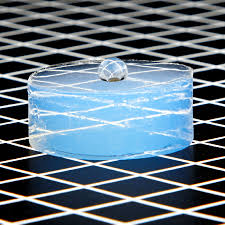
Applications of Aerogel Insulation Felts for High Temperature and Cryogenic Applications
Applications of Aerogel Insulation Felts for Heat and Cryogenic Use
Extreme Heat Security
Aerogel insulation felts work well in very hot atmospheres. They manage temperature levels up to 650 ° C( 1200 ° F)ma te ere ore i te ha'utiraa. These felts are light but solid. They quit heat from relocating with pipes, te mau faaitoito, e te mau faanahoraa. Te mau fare hamaniraa tauihaa mai te hinu e te mǎhu, te u'i uira, and manufacturing utilize them to keep tools safe and reliable. The product remains secure even after long exposure to high heat.
Cold Temperature Level Performance
The very same felts also carry out in incredibly cool problems. They are used in cryogenic systems that save or move melted gases like LNG, liquid nitrogen, or oxygen. At temperatures below -200 ° C (-328 ° F), standard insulators commonly fail. Aerogel felts do not. Their framework blocks warm transfer from the outside, maintaining contents chilly and lowering boil-off loss. This saves energy and cuts running prices.
E mea ohie e e mea ohie ia faanaho
Aerogel insulation felts can be found in versatile rolls or pre-cut shapes. They fit about complex parts like valves, bends, and joints. Workers can reduce them with standard tools. Aita e faaineineraa taa ê e titauhia. E patoi te tao'a i te haumi, which aids protect against rust under insulation– an usual trouble in severe setups. It additionally does not clear up or compress gradually, so thermal performance stays regular.
Parururaa e te auraroraa
These felts satisfy rigorous fire safety requirements. They are non-combustible and generate reduced smoke when revealed to flame. Lots of versions have no harmful fibers, making them more secure for employees throughout handling. They abide by international codes for both industrial and aquatic applications. Customers obtain dependable security without additional threat.
Hoho'a o te Taiete
O tatou te ti'a faatere o te ao nei i roto i te mau rave'a no te faatitiaifaro i te mau rave'a hamaniraa tauihaa. Ua matau - maitai - hia oia na te ao nei no to ' na fafauraa i te maimiraa, Fa'aterehia, e te ite aravihi, mai te omuaraa mai â o te mau matahiti 2012 mai â, ua horo'a matou i te mau rave'a no te faatitiaifaro i te mau fifi.
Na te ao taatoa nei, e nehenehe ta tatou e horo'a i te mau tao'a faaineineraa ti'a teitei e te mau tao'a hu'ahu'a.
E tuhaa ohipa aravihi to te taiete e te hoê tuhaa fenua no te hi'opo'araa i te maitai, te hoê piha maimiraa tei faaineine-maitai-hia, e te mau rave'a hi'opo'araa aravihi e te hoê pû taviniraa i muri a'e i te hooraa.
Mai te mea e, te anaanatae ra outou, A faaite mai ia matou.
Aufau
T/T, Tooa o te râ, Paypal, Tareta tarahu etc.
Te tonoraa
Na roto i te reva, na te moana, na roto i te faaiteraa, mai ta te feia hoo tao'a e ani ra.

5 FAQs of Aerogel Insulation Felts for High Temperature and Cryogenic Applications
Frequently Asked Questions About Aerogel Insulation Felts
What are aerogel insulation felts made of?
Aerogel insulation felts combine silica aerogel with reinforcing fibers like glass or ceramic. This mix creates a flexible blanket that is lightweight yet strong. The material keeps its shape and performance even under extreme conditions.
Why use aerogel felts for high-temperature applications?
These felts handle temperatures up to 650°C (1200°F) without losing effectiveness. They resist heat far better than traditional insulators. Their low thermal conductivity means less heat escapes, which saves energy and improves safety.
Are they suitable for cryogenic uses?
ae. Aerogel felts work well at very low temperatures, down to -200°C (-328°F). They prevent cold loss and reduce condensation or ice buildup on pipes and tanks. This makes them ideal for LNG systems, te vahi tape'araa toetoe, and other cryogenic setups.
How do they compare to other insulation materials?
Aerogel felts offer much better insulation in thinner layers. E fana'o outou i te hoê â aore ra te hoê ha'utiraa maitai a'e ma te iti a'e te vahi e faaohipahia. They also resist moisture, Eiaha e ino, and last longer than many alternatives like mineral wool or foam.
Can they be cut and installed easily?
ae. The felts are soft and flexible. Workers can cut them with basic tools like utility knives or scissors. They wrap tightly around pipes, valves, and irregular shapes without gaps. No special training or equipment is needed for most installations.
A TINIRAA I TE HOÊ PARAU
TE MAU HOPO'A FAATAA

CAS no te huru teitei 5um SiO2 7631 86 9 Silica
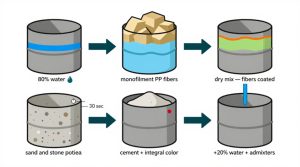
Te tapo'iraa i te pape ve'ave'a 1mm Airgel Te ahu Airgel Precio

High Transparent Silica Aerogel Powder Nano Hydrophobic Powder 99.9 White Chemical Powder
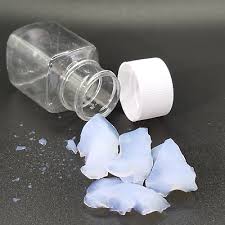
Te hoê ahu tapo'i Airgel Insulation e te puai o te tensile

Te pŭpŭ Airgel matau-maitai-hia no te paturaa i te fare
