Lightweight Concrete Additives | High-Performance Foaming Agents for Cellular Concrete


PRODUCT PARAMETERS
Description
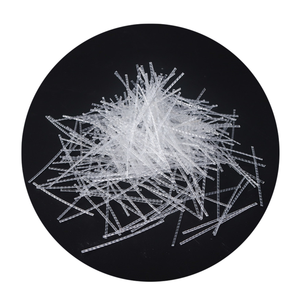
Overview of Building Construction Concrete Fiber Rod and Deformed Fiber Rebar
For high-impact resistance, we offer Steel Fibers, an ideal replacement for welded wire mesh in industrial floors and pre-cast elements. We also provide specialized Structural Synthetic Fibers that offer high tensile strength for demanding applications. These fibers are uniformly dispersed throughout the concrete mix, creating a multi-dimensional reinforcement network that traditional methods cannot achieve. This integrated approach simplifies construction, accelerates placement, and enhances the overall integrity and longevity of the concrete, providing a modern answer to age-old cracking and durability challenges.
Features of Building Construction Concrete Fiber Rod and Deformed Fiber Rebar
1. Superior Crack Control and Enhanced Durability:
The primary feature of our fibers is their ability to bridge both micro-cracks that form during the plastic state and larger cracks in hardened concrete. This three-dimensional dispersion creates a more cohesive matrix that resists crack propagation. The direct benefit is a significant reduction in both plastic shrinkage cracking and long-term crack width. This leads to a much more durable concrete with lower permeability, which in turn enhances resistance to water ingress, freeze-thaw damage, and corrosion of any embedded steel. The result is a structure with a longer service life and reduced maintenance costs.
2. Increased Impact and Abrasion Resistance:
Fibers, particularly steel and robust synthetic macro fibers, dramatically improve the concrete’s toughness and post-crack performance. They absorb and distribute energy upon impact or loading. This feature provides the benefit of a more resilient surface that is less prone to spalling, chipping, and abrasion under heavy traffic or mechanical wear. This is a critical advantage for industrial floors, warehouse pavements, and infrastructure projects, leading to a harder-wearing surface that maintains its integrity over time.
3. Construction Efficiency and Cost Savings:
A key feature of using fiber reinforcement is the elimination of welded wire mesh (WWF) in many applications. This provides immense on-site benefits: it simplifies placement, as there is no mesh to be set up or potentially displaced, and it accelerates the entire construction process. By removing a labor-intensive step, projects see reduced labor costs and faster project timelines. The uniform distribution of fibers also ensures consistent reinforcement throughout the entire concrete section, unlike mesh, which can be improperly placed, leading to more reliable and predictable performance.

Specification of Building Construction Concrete Fiber Rod and Deformed Fiber Rebar
Concrete Fiber Rod and Deformed Fiber Rebar Specs
Product Review
Our concrete fiber rod and warped fiber rebar are crafted for modern-day construction needs. These products provide strong assistance in concrete structures without making use of standard steel. They withstand corrosion, lower long-lasting upkeep costs, and function well in rough environments.
Product Composition
Both things are made from high-strength artificial fibers, typically glass or basalt, bound along with a polymer matrix. This mix provides outstanding tensile strength while remaining lightweight. The surface area of the flawed fiber rebar has ribs or patterns to boost bonding with concrete.
Secret Includes
Rust Resistance: Unlike steel, these fibers do not corrosion. This makes them ideal for bridges, aquatic frameworks, and locations with high dampness or chemical exposure.
Lightweight: They evaluate a lot less than steel rebar. This lowers transport and managing costs.
Non-Conductive: These products do not conduct power or hinder signals. They fit projects near high-voltage line or delicate digital tools.
Toughness: They maintain performance with time, even under hefty lots or severe weather condition.
Technical Specifications
Products satisfy or go beyond industry standards such as ASTM D7957 for fiber-reinforced polymer rebars. Tensile toughness normally varies from 600 MPa to over 1,200 MPa, relying on the kind. Modulus of flexibility varies by design however ensures compatibility with common concrete blends.
Applications
Utilize these products in pieces, walls, pavements, passages, and structures. They function well in brand-new builds and repair service tasks where steel rebar might fail because of corrosion or weight restrictions. Contractors choose them for faster installation and longer service life.
Handling and Storage space
Shop poles and rebars in completely dry, protected locations far from straight sunshine. Avoid sharp bends or impacts during dealing with to keep architectural stability undamaged. Cut with conventional rough blades or diamond-tipped devices.
Applications of Building Construction Concrete Fiber Rod and Deformed Fiber Rebar
Applications of Concrete Fiber Rods and Deformed Fiber Rebar in Building Building
Improved Stamina for Modern Structures
Concrete fiber rods and warped fiber rebar add real toughness to building tasks. These products work inside concrete to stop cracks from growing. They help floors, wall surfaces, and foundations stay solid in time. Home builders use them where added strength issues– like parking lot, industrial floorings, and storage facility pieces.
Better Break Control
Splits commonly appear in simple concrete as it dries out or moves. Adding fiber rods or deformed rebar lowers this risk. The fibers hold the concrete with each other also when little splits develop. This maintains surface areas smoother and safer. It also reduces repair work expenses later.
Faster and Cleaner Installment
Unlike standard steel rebar, fiber-based options are lighter and less complicated to deal with. Employees put them swiftly without heavy tools or complex configurations. There’s no demand for connecting cords or exact spacing. This speeds up pouring and ending up job. Less labor means lower general task time and expense.
Rust Resistance for Long Life
Steel rebar can corrosion when subjected to dampness or chemicals. Corrosion compromises the framework and creates surface damages. Fiber poles and flawed fiber rebar do not rust. They stay solid in damp locations like cellars, bridges, or coastal structures. This makes them a clever choice for long-lasting building and construction.
Versatile Use Across Projects
These fiber products fit many kinds of work. You’ll discover them in property driveways, business pathways, passage linings, and even shotcrete applications. They work well alone or together with steel support. Developers choose them based upon lots needs, environment, and budget. Their flexibility helps satisfy modern building needs without concession.
Company Profile
We are the global leader in lightweight concrete and advanced engineered foam solutions. Known globally for its commitment to research, innovation, and applied expertise, we have been providing engineered foam solutions since the early 2012’s.
We can supply high-quality concrete admixture and foam concrete related products all over the world.
The company has a professional technical department and quality supervision department, a well-equipped laboratory, and equipped with advanced testing equipment and after-sales customer service center.
If you are interested, please feel free and contact us.
Payment
T/T, Western Union, Paypal, Credit Card etc.
Shipment
By air, by sea, by express, as customers request.
5 FAQs of Building Construction Concrete Fiber Rod and Deformed Fiber Rebar
Frequently Asked Questions About Concrete Fiber Rods and Deformed Fiber Rebar
What are concrete fiber rods used for?
Concrete fiber rods add strength to concrete. They help stop cracks from forming. Builders use them in floors, walls, and pavements. These rods mix right into the concrete. This makes the whole structure tougher without needing extra steps.
How is deformed fiber rebar different from steel rebar?
Deformed fiber rebar is made from strong synthetic fibers. It does not rust like steel. Its surface has ridges, just like steel rebar, so it grips well inside concrete. It also weighs less. That makes it easier to carry and place during construction.
Can fiber rods replace steel reinforcement completely?
Not always. Fiber rods work well for controlling small cracks and adding overall toughness. But for heavy loads or big structures, steel is still needed. Many projects use both—fibers for crack control and steel for main support.
Are these products easy to install?
Yes. You add fiber rods straight into the concrete mix. No special tools are needed. Deformed fiber rebar installs like regular rebar. Workers cut and tie it the same way. Because it’s lighter, handling takes less effort and time.
Do fiber rods and rebar meet building codes?
Most do. They follow standards from groups like ASTM and ACI. Always check local rules before starting a job. Make sure the product you choose has the right certifications. This keeps your project safe and up to code.
REQUEST A QUOTE
RELATED PRODUCTS
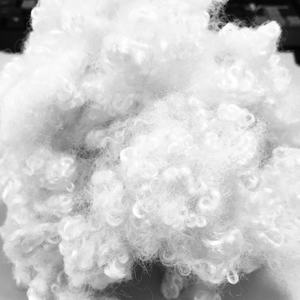
New Arrival Excellent Cement Plaster Concrete Reinforcement Nonwoven Polypropylene Staple Fiber

Haoli High Strength Reinforced Plastic Rods FRP Round Solid Sticks Pultrusion Fiberglass Rod Glass Fiber Pole
Top Quality Thermal Insulation Heat Treated Unidirectional Silicone Coated Fabric Fiberglass

Factory Customizable PP Concrete Fiber Polypropylene Fiber for Concrete That Prevents Cracks

High-quality acrylic anti-corrosion and high-temperature resistant engineering concrete fiber