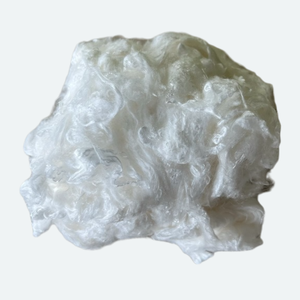
Li-additives tsa Konkreite tse bobebe | Li-Agents tse Foaming tse Phahameng ka ho Fetisisa bakeng sa Konkreite ea Cellular


LITLHAKISO TSA LITŠOANTŠISO
Tlhaloso
Overview of Building Construction Concrete Fiber Rod and Deformed Fiber Rebar
Bakeng sa khanyetso e phahameng, re fana ka Steel Fibers, sebaka se loketseng bakeng sa letlooeng la terata le cheselitsoeng mekatong ea liindasteri le lintho tse entsoeng esale pele. Re boetse re fana ka li-Structural Synthetic Fibers tse khethehileng tse fanang ka matla a phahameng a ts'ebetso bakeng sa lits'ebetso tse batloang haholo. Likhoele tsena li hasane ka mokhoa o ts'oanang ho pholletsa le motsoako oa konkreite, ho theha marang-rang a matlafatso a mahlakore a mangata ao mekhoa ea setso e ke keng ea e finyella. Mokhoa ona o kopaneng o nolofatsa kaho, potlakisa ho beha, le ho matlafatsa botšepehi bo akaretsang le bophelo bo bolelele ba konkreite, ho fana ka karabo ea sejoale-joale ho mathata a khale a ho petsoha le ho tšoarella.
Features of Building Construction Concrete Fiber Rod and Deformed Fiber Rebar
1. Taolo e Phahameng ea Crack le Matla a Matlafalitsoeng:
Ntho ea mantlha ea likhoele tsa rona ke bokhoni ba bona ba ho koala mapetso a manyane a hlahang nakong ea polasetiki le mapetsong a maholo a konkreite e thata.. Phatlalatso ena ea mahlakore a mararo e theha matrix e momahaneng haholoanyane e hananang le phatlalatso ea crack. Melemo e tobileng ke ho fokotseha ho hoholo ha ho phunyeha ha polasetiki ka bobeli le bophara ba nako e telele. Sena se lebisa ho konkreite e tšoarellang haholo e nang le matla a tlase, seo ka sona se matlafatsang kganetso ya metsi a kenang, tshenyo ya ho qhoqhoa, le ho bola ha tšepe efe kapa efe e kentsoeng. Sephetho ke sebopeho se nang le nako e telele ea tšebeletso le litšenyehelo tse fokolitsoeng tsa tlhokomelo.
2. Keketseho ea Tšusumetso le Khahlano ea Abrasion:
Likhoele, haholo-holo tšepe le li-macro fibers tse matla tsa maiketsetso, ntlafatsa haholo ho tiea ha konkreite le ts'ebetso ea kamora ho phatloha. Li monya le ho aba matla ha li ama kapa ha li laeloa. Tšobotsi ena e fana ka molemo oa sebaka se tsitsitseng haholoanyane se sa rateheng ho spalling, ho qhetsola, le abrasion tlas'a sephethephethe se seholo kapa moaparo oa mochini. Ena ke monyetla oa bohlokoa bakeng sa mekato ea indasteri, litselana tsa polokelo, le diporojeke tsa mafaratlhatlha, e lebisang sebakeng se apereng ka thata haholo se bolokang botshepehi ka nako.
3. Sebetsa sa Kaho le Poloko ea Litšenyehelo:
Tšobotsi ea bohlokoa ea ho sebelisa fiber reinforcement ke ho felisoa ha letlooeng le cheselitsoeng (WWF) lits'ebetsong tse ngata. Sena se fana ka melemo e mengata sebakeng sa marang-rang: e nolofatsa ho beha, kaha ha ho na mesh e lokelang ho hlongoa kapa e ka tlosoang, mme e akofisa tshebetso yohle ya kaho. Ka ho tlosa mohato o boima oa mosebetsi, merero e bona litšenyehelo tse fokotsehileng tsa basebetsi le linako tse potlakileng tsa merero. Kabo e tšoanang ea likhoele e boetse e tiisa matlafatso e tsitsitseng ho pholletsa le karolo eohle ea konkreite, ho fapana le letlooeng, e ka bewang ka tsela e sa lokang, se lebisang tshebetsong e tshepehang le e lebelloang.

Specification of Building Construction Concrete Fiber Rod and Deformed Fiber Rebar
Concrete Fiber Rod and Deformed Fiber Rebar Specs
Tlhahlobo ea Sehlahisoa
Our concrete fiber rod and warped fiber rebar are crafted for modern-day construction needs. These products provide strong assistance in concrete structures without making use of standard steel. Li mamella ho bola, lower long-lasting upkeep costs, and function well in rough environments.
Sebopeho sa Sehlahisoa
Both things are made from high-strength artificial fibers, typically glass or basalt, bound along with a polymer matrix. This mix provides outstanding tensile strength while remaining lightweight. The surface area of the flawed fiber rebar has ribs or patterns to boost bonding with concrete.
Lekunutu le kenyeletsa
Rust Resistance: Ho fapana le tšepe, these fibers do not corrosion. This makes them ideal for bridges, liforeimi tsa metsing, and locations with high dampness or chemical exposure.
E bobebe: They evaluate a lot less than steel rebar. This lowers transport and managing costs.
Non-Conductive: These products do not conduct power or hinder signals. They fit projects near high-voltage line or delicate digital tools.
Mathata: They maintain performance with time, even under hefty lots or severe weather condition.
Litlhaloso tsa Tekheniki
Products satisfy or go beyond industry standards such as ASTM D7957 for fiber-reinforced polymer rebars. Tensile toughness normally varies from 600 MPa ho feta 1,200 MPa, relying on the kind. Modulus of flexibility varies by design however ensures compatibility with common concrete blends.
Lisebelisoa
Utilize these products in pieces, mabota, litselana, litemana, le meaho. They function well in brand-new builds and repair service tasks where steel rebar might fail because of corrosion or weight restrictions. Contractors choose them for faster installation and longer service life.
Sebaka sa ho tšoara le ho boloka
Shop poles and rebars in completely dry, protected locations far from straight sunshine. Avoid sharp bends or impacts during dealing with to keep architectural stability undamaged. Cut with conventional rough blades or diamond-tipped devices.
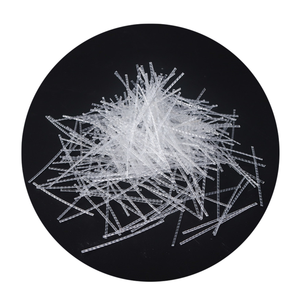
Applications of Building Construction Concrete Fiber Rod and Deformed Fiber Rebar
Applications of Concrete Fiber Rods and Deformed Fiber Rebar in Building Building
Improved Stamina for Modern Structures
Concrete fiber rods and warped fiber rebar add real toughness to building tasks. These products work inside concrete to stop cracks from growing. They help floors, bokaholimo ba marako, and foundations stay solid in time. Home builders use them where added strength issues– joalo ka sebaka sa ho paka makoloi, lifensetere floorings, and storage facility pieces.
Better Break Control
Splits commonly appear in simple concrete as it dries out or moves. Adding fiber rods or deformed rebar lowers this risk. The fibers hold the concrete with each other also when little splits develop. This maintains surface areas smoother and safer. It also reduces repair work expenses later.
Faster and Cleaner Installment
Unlike standard steel rebar, fiber-based options are lighter and less complicated to deal with. Employees put them swiftly without heavy tools or complex configurations. There’s no demand for connecting cords or exact spacing. This speeds up pouring and ending up job. Less labor means lower general task time and expense.
Rust Resistance for Long Life
Steel rebar can corrosion when subjected to dampness or chemicals. Corrosion compromises the framework and creates surface damages. Fiber poles and flawed fiber rebar do not rust. They stay solid in damp locations like cellars, marokho, or coastal structures. This makes them a clever choice for long-lasting building and construction.
Merero e fapaneng ea ho sebelisa
These fiber products fit many kinds of work. You’ll discover them in property driveways, business pathways, liphaseje linings, esita le likopo tsa shotcrete. They work well alone or together with steel support. Developers choose them based upon lots needs, tikoloho, le tekanyetso. Their flexibility helps satisfy modern building needs without concession.
Boemo ba Khoebo
Re moetapele oa lefats'e oa konkreite e bobebe le tharollo ea foam e tsoetseng pele. E tsebahala lefatšeng ka bophara ka boitlamo ba eona ba ho etsa lipatlisiso, popontshwa, le botsebi bo sebelisitsoeng, esale re fana ka tharollo ea foam e entsoeng ka boenjiniere ho tloha qalong ea 2012.
Re ka fana ka motsoako oa boleng bo holimo oa konkreite le lihlahisoa tse amanang le konkreite ea foam lefatšeng ka bophara.
Khampani e na le lefapha la litsebi tsa theknoloji le lefapha la tlhokomelo ea boleng, laboratori e nang le lisebelisoa hantle, hape e na le lisebelisoa tse tsoetseng pele tsa tlhahlobo le setsi sa litšebeletso tsa bareki ka mor'a thekiso.
Haeba u thahasella, ka kopo ikutloe u lokolohile 'me u ikopanye le rona.
Tefo
T/T, phetiso ea chelete e bitsoang western union, Paypal, Credit Card etc.
Thomello
Ka moea, ka leoatle, ka Express, joalo ka ha bareki ba kopa.
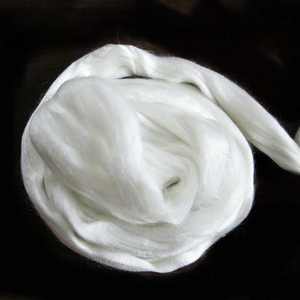
5 FAQs of Building Construction Concrete Fiber Rod and Deformed Fiber Rebar
Frequently Asked Questions About Concrete Fiber Rods and Deformed Fiber Rebar
What are concrete fiber rods used for?
Concrete fiber rods add strength to concrete. They help stop cracks from forming. Lihahi li li sebelisa fatše, mabota, le litselana. These rods mix right into the concrete. This makes the whole structure tougher without needing extra steps.
How is deformed fiber rebar different from steel rebar?
Deformed fiber rebar is made from strong synthetic fibers. Ha e ruse joaloka tšepe. Its surface has ridges, just like steel rebar, so it grips well inside concrete. E boetse e na le boima bo fokolang. That makes it easier to carry and place during construction.
Can fiber rods replace steel reinforcement completely?
Eseng kamehla. Fiber rods work well for controlling small cracks and adding overall toughness. But for heavy loads or big structures, tšepe e ntse e hlokahala. Many projects use both—fibers for crack control and steel for main support.
Are these products easy to install?
Ee. You add fiber rods straight into the concrete mix. Ha ho hlokahale lisebelisoa tse khethehileng. Deformed fiber rebar installs like regular rebar. Workers cut and tie it the same way. Because it’s lighter, handling takes less effort and time.
Do fiber rods and rebar meet building codes?
Most do. They follow standards from groups like ASTM and ACI. Always check local rules before starting a job. Make sure the product you choose has the right certifications. This keeps your project safe and up to code.
KOPO KHOPO
LIHLAHISO TSE HLAHANG
khoele e khaotsoeng ea basalt bakeng sa tsela ea konkreite ea asphalt
fiber ea cellulose bakeng sa konkreite

Concrete PP Fiber Cement Additive Polypropylene Fiber

China Factory Direct Concrete Mortar e Matlafalitsoeng Polypropylene Concrete Fiber 3 6 9 12 19 21mm
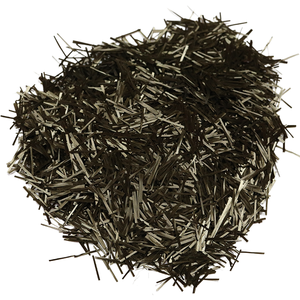
Hot ing High Quality Copper Coated Steel Concrete Fiber for High Performance Concrete