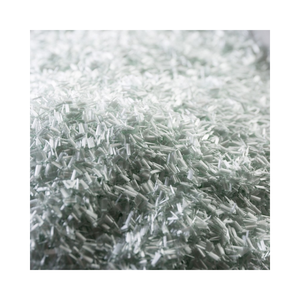
Nā Pākuʻi Paʻa Māmā | Nā ʻĀpana Hoʻohuʻi Kiʻekiʻe no ka Kelepona Kelepona


NA PALAPALA HUA
wehewehe
Overview of Building Construction Concrete Fiber Rod and Deformed Fiber Rebar
No ke kū'ē kiʻekiʻe, hāʻawi mākou i nā Fiber Steel, kahi mea hoʻololi kūpono no ka uwea welded mesh ma nā papahele ʻoihana a me nā mea hoʻolei mua. Hāʻawi pū mākou i nā Structural Synthetic Fibers kūikawā e hāʻawi ana i ka ikaika tensile kiʻekiʻe no nā noi noi.. Hoʻopuehu like ʻia kēia mau fiber i loko o ka hui ʻana, ka hoʻokumu ʻana i kahi pūnaewele hoʻoikaika nui i hiki ʻole ke hoʻokō i nā ʻano kuʻuna. Hoʻomaʻamaʻa kēia ʻano hoʻohui i ke kūkulu ʻana, hoʻokē hoʻokomo, a hoʻonui i ka pono holoʻokoʻa a me ka lōʻihi o ka lāʻau, hāʻawi ʻana i kahi pane hou i nā pilikia o ka wā kahiko a me ka lōʻihi.
Features of Building Construction Concrete Fiber Rod and Deformed Fiber Rebar
1. ʻOi aku ka mana o ka māwae a me ka hoʻoikaika ʻana i ka lōʻihi:
ʻO ka hiʻohiʻona nui o kā mākou fibers ko lākou hiki ke hoʻopaʻa i nā micro-cracks ʻelua i hana ʻia i ka wā o ke kūlana plastik a me nā māwae nui aʻe i loko o ke koʻa paʻa.. Hoʻokumu kēia dispersion ʻekolu-dimensional i kahi matrix cohesive ʻoi aku ka pale ʻana i ka hoʻolaha ʻana. ʻO ka pōmaikaʻi pololei, he hōʻemi nui ia i ka ʻāʻī ʻana o ka plastic a me ka laula māwae lōʻihi. Ke alakaʻi nei kēia i ka ʻoi aku ka lōʻihi o ke koʻikoʻi me ka haʻahaʻa haʻahaʻa, ʻo ia ka mea e hoʻonui ai i ke kū'ē i ka wai komo, pōʻino hoʻoheheʻe, a me ka palahu o kekahi kila i hookomoia. ʻO ka hopena he hale me ka lōʻihi o ke ola lawelawe a hoʻemi ʻia nā kumukūʻai mālama.
2. Hoʻonui i ka hopena a me ka pale ʻana i ka abrasion:
Nā pulu, ʻoi aku ke kila a me nā fiber macro synthetic ikaika, hoʻomaikaʻi maikaʻi i ka paʻakikī o ke kaʻa a me ka hana ma hope o ka haki. Lawe lākou a puʻunaue i ka ikehu ma ka hopena a i ʻole ka hoʻouka ʻana. Hāʻawi kēia hiʻohiʻona i ka pōmaikaʻi o kahi ʻili kūpaʻa ʻoi aku ka liʻiliʻi o ka spalling, ʻokiʻoki, a me ka abrasion ma lalo o ke kaʻa nui a i ʻole ka lole mīkini. He waiwai koʻikoʻi kēia no nā papahele ʻoihana, hale kūʻai pavements, a me nā papahana hoʻolālā, e alakaʻi ana i kahi ʻili paʻakikī e mālama i kona kūpaʻa i ka manawa.
3. ʻO ka maikaʻi o ke kūkulu ʻana a me ka mālama kālā:
ʻO kahi hiʻohiʻona nui o ka hoʻohana ʻana i ka fiber reinforcement ʻo ka hoʻopau ʻana i ka uwea welded mesh (WWF) i nā noi he nui. Hāʻawi kēia i nā pōmaikaʻi nui ma ka pūnaewele: maʻalahi ka hoʻokomo, no ka mea, ʻaʻohe mesh e hoʻonohonoho ʻia a hiki ke hoʻoneʻe ʻia, a hoʻokēʻai i ke kaʻina hana holoʻokoʻa. Ma ka wehe ʻana i kahi hana koʻikoʻi, ʻike nā papahana i ka hōʻemi ʻana i nā kumukūʻai hana a me ka wikiwiki o ka manawa papahana. ʻO ka hāʻawi like ʻana o nā fibers e hōʻoiaʻiʻo i ka hoʻoikaika paʻa ʻana ma ka ʻāpana koneki holoʻokoʻa, like ole mesh, hiki ke waiho pono ole ia, alakaʻi i ka hana hilinaʻi a wānana.

Specification of Building Construction Concrete Fiber Rod and Deformed Fiber Rebar
Concrete Fiber Rod and Deformed Fiber Rebar Specs
Nānā Huahana
Our concrete fiber rod and warped fiber rebar are crafted for modern-day construction needs. These products provide strong assistance in concrete structures without making use of standard steel. They withstand corrosion, lower long-lasting upkeep costs, and function well in rough environments.
Huahana Huahana
Both things are made from high-strength artificial fibers, typically glass or basalt, bound along with a polymer matrix. This mix provides outstanding tensile strength while remaining lightweight. The surface area of the flawed fiber rebar has ribs or patterns to boost bonding with concrete.
Mea huna
Rust Resistance: ʻAʻole like me ke kila, these fibers do not corrosion. He mea kūpono kēia no nā alahaka, nā papa wai, and locations with high dampness or chemical exposure.
Māmā: They evaluate a lot less than steel rebar. This lowers transport and managing costs.
Non-Conductive: These products do not conduct power or hinder signals. They fit projects near high-voltage line or delicate digital tools.
ʻoʻoleʻa: They maintain performance with time, even under hefty lots or severe weather condition.
Nā Kūlana ʻenehana
Products satisfy or go beyond industry standards such as ASTM D7957 for fiber-reinforced polymer rebars. Tensile toughness normally varies from 600 MPa i oi 1,200 MPa, relying on the kind. Modulus of flexibility varies by design however ensures compatibility with common concrete blends.
Nā noi
Utilize these products in pieces, pā, nā paepae, pauku, a me na hale. They function well in brand-new builds and repair service tasks where steel rebar might fail because of corrosion or weight restrictions. Contractors choose them for faster installation and longer service life.
Wahi mālama a mālama
Shop poles and rebars in completely dry, protected locations far from straight sunshine. Avoid sharp bends or impacts during dealing with to keep architectural stability undamaged. Cut with conventional rough blades or diamond-tipped devices.
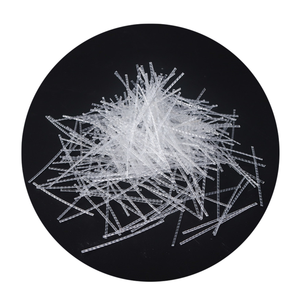
Applications of Building Construction Concrete Fiber Rod and Deformed Fiber Rebar
Applications of Concrete Fiber Rods and Deformed Fiber Rebar in Building Building
Improved Stamina for Modern Structures
Concrete fiber rods and warped fiber rebar add real toughness to building tasks. These products work inside concrete to stop cracks from growing. They help floors, ʻili o ka pā, and foundations stay solid in time. Home builders use them where added strength issues– like parking lot, nā papahele ʻoihana, and storage facility pieces.
Better Break Control
Splits commonly appear in simple concrete as it dries out or moves. Adding fiber rods or deformed rebar lowers this risk. The fibers hold the concrete with each other also when little splits develop. This maintains surface areas smoother and safer. It also reduces repair work expenses later.
Faster and Cleaner Installment
Unlike standard steel rebar, fiber-based options are lighter and less complicated to deal with. Employees put them swiftly without heavy tools or complex configurations. There’s no demand for connecting cords or exact spacing. This speeds up pouring and ending up job. Less labor means lower general task time and expense.
Rust Resistance for Long Life
Steel rebar can corrosion when subjected to dampness or chemicals. Corrosion compromises the framework and creates surface damages. Fiber poles and flawed fiber rebar do not rust. They stay solid in damp locations like cellars, alahaka, or coastal structures. This makes them a clever choice for long-lasting building and construction.
Versatile Use Across Projects
These fiber products fit many kinds of work. You’ll discover them in property driveways, business pathways, nā laina alahele, and even shotcrete applications. They work well alone or together with steel support. Developers choose them based upon lots needs, environment, a me ke kālā. Their flexibility helps satisfy modern building needs without concession.
ʻO ka moʻolelo o ka hui
ʻO mākou ke alakaʻi o ka honua i nā ʻenehana māmā a me nā hoʻonā ʻenehana i hana ʻia. ʻIke ʻia ma ka honua holoʻokoʻa no kāna kūpaʻa i ka noiʻi, mea hou, a me ka ʻike noiʻi, ke hāʻawi nei mākou i nā hoʻonā ʻenehana i hana ʻia mai ka makahiki 2012.
Hiki iā mākou ke hāʻawi aku i ka hoʻohui ʻana i nā mea hoʻohui kiʻekiʻe kiʻekiʻe a me nā huahana pili i ka foam concrete a puni ka honua.
He keʻena ʻenehana ʻoihana a me ka ʻoihana kiaʻi maikaʻi ka hui, he hale hana i hoolako pono ia, a hoʻolako ʻia me nā lako hoʻāʻo kiʻekiʻe a me ke kikowaena lawelawe mea kūʻai aku ma hope o ke kūʻai aku.
Inā hoihoi ʻoe, e ʻoluʻolu a e hoʻokaʻaʻike mai iā mākou.
Uku
T/T, Hui Komohana, Paypal, Kāleka ʻaiʻē etc.
Hoʻouna
Ma ka lewa, ma ke kai, ma ka hoike, e like me ke noi a nā mea kūʻai aku.
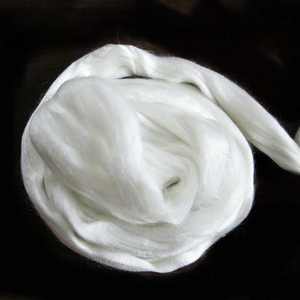
5 FAQs of Building Construction Concrete Fiber Rod and Deformed Fiber Rebar
Frequently Asked Questions About Concrete Fiber Rods and Deformed Fiber Rebar
What are concrete fiber rods used for?
Concrete fiber rods add strength to concrete. They help stop cracks from forming. Builders use them in floors, pā, a me na alanui. These rods mix right into the concrete. This makes the whole structure tougher without needing extra steps.
How is deformed fiber rebar different from steel rebar?
Deformed fiber rebar is made from strong synthetic fibers. ʻAʻole ʻo ia e like me ke kila. Its surface has ridges, just like steel rebar, so it grips well inside concrete. It also weighs less. That makes it easier to carry and place during construction.
Can fiber rods replace steel reinforcement completely?
ʻAʻole mau. Fiber rods work well for controlling small cracks and adding overall toughness. But for heavy loads or big structures, pono mau ke kila. Many projects use both—fibers for crack control and steel for main support.
Are these products easy to install?
ʻAe. You add fiber rods straight into the concrete mix. ʻAʻole pono nā mea hana kūikawā. Deformed fiber rebar installs like regular rebar. Workers cut and tie it the same way. Because it’s lighter, handling takes less effort and time.
Do fiber rods and rebar meet building codes?
Most do. They follow standards from groups like ASTM and ACI. Always check local rules before starting a job. Make sure the product you choose has the right certifications. This keeps your project safe and up to code.
NOI I KA PALAPALA
NA HUAKAI PILI

High Strength Polypropylene fiber Is Used To Strengthen concrete

Concrete 12mm Pp Fiber Monofilament Reinforced Polypropylene Monofilament Fiber For Concrete
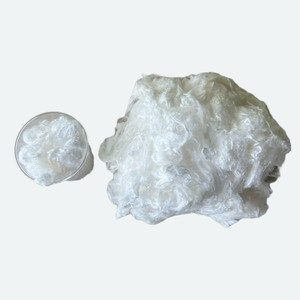
ʻEleʻele Fiberglass Rod Smooth Thread Hoʻopau no ke kūkulu ʻana i ʻoki ʻia no ke kauoha ʻana i nā Kiʻi Fiber Glass Anuenue.
Whole Durable Industrial Building Flat Stainless Steel Fiber Reinforced Concrete Material With Tensile Corrosion Resistance

ʻO ka lole lole lole Fiberglass i uhi ʻia i ka wela wela