Te mau tao'a tahi mâmâ | Te mau rave'a haaparareraa parau teitei no te cellular concrete


TE MAU PARAMETERS
Tuʻaroʻa
Overview of Building Construction Concrete Fiber Rod and Deformed Fiber Rebar
No te pato'iraa rahi, te horo'a nei matou i te mau hu'ahu'a Steel, te hoê monoraa maitai roa no te mau uira arapoa i ni'a i te tahua fare hamaniraa tauihaa e te mau hu'ahu'a. Te horoa atoa nei matou i te mau hu'ahu'a Synthetic taa ê o te horoa i te puai rahi no te mau faaohiparaa fifi. E parare hoê â teie mau hu'ahu'a i roto i te amuiraa sima, te haamauraa i te hoê faanahoraa haapuairaa rahi o te ore e nehenehe e ravehia e te mau rave'a anamua. Na teie faanahoraa taa ê e faaohie i te paturaa, haavitiviti te tuuraa, e te haamaitai i te taiva ore e te oraraa roa o te raima, Te horo'araa i te hoê pahonoraa apî i te mau fifi o te mau fifi tahito e te mau fifi.
Features of Building Construction Concrete Fiber Rod and Deformed Fiber Rebar
1. Te faatereraa hau a'e e te vai - maitai - raa:
Te huru matamua o to tatou mau hu'ahu'a, o to ratou ïa aravihi no te faatumu i ni'a i te mau hu'ahu'a iti e tupu mai i roto i te huru hu'ahu'a e te mau hu'ahu'a rahi a'e i roto i te raima. E faatupu teie purara e toru ahu i te hoê matrix taa ê a'e o te pato'i i te parareraa o te mau hu'ahu'a. Te maitai ti'a'tu, o te hoê ïa faaitiraa rahi i te mau hu'ahu'a hu'ahu'a e te rahi o te hu'ahu'a. E faatupu te reira i te hoê raima papû a'e e te iti a'e o te permeability, o te faarahi ïa i te aravihi no te patoi i te pape, Te faainoraa, e te vavahiraa o te mau fetia atoa. Te faahopearaa, o te hoê ïa haamauraa e oraraa taviniraa roa a'e e te haamau'araa iti a'e.
2. Te faarahiraa o te mau faahopearaa e te patoiraa i te abrasion:
Te mau hu'ahu'a, i te pae iho â râ o te mau hu'ahu'a macro e te mau hu'ahu'a macro, ia haamaitai rahi i te etaeta o te raima e te ha'utiraa i muri mai i te reira. E huti ratou e e opere ratou i te ito i muri a'e i te mau faahopearaa aore ra te mau hopoia. E horoa teie huru i te maitai o te hoê mata etaeta a'e o te ore e nehenehe e vavahi, chipping, e te vavahiraa i raro a'e i te pereoo uira rahi aore ra i te mau ahu matini. E tuhaa faufaa roa teie no te mau tahua hamaniraa tauihaa, Te mau purumu no te fare vairaa tauihaa, e te mau opuaraa paturaa, e arata'i atu i ni'a i te hoê vahi etaeta a'e o te tape'a i to'na haapa'o maitai i te roaraa o te taime.
3. Te aravihi no te paturaa i te fare e te haaputuputuraa moni:
Te hoê tuhaa rahi o te faaohiparaa i te mau hu'ahu'a, o te faaoreraa ïa i te mau arapoa (WWF) i roto i te mau faaohiparaa e rave rahi. E horo'a te reira i te mau maitai rahi i ni'a i te tahua itenati: te faaohie nei te reira i te tuuraa, no te mea ho'i e, aita e upe'a no te haamau e aore râ, no te faaru'e, e te haavitiviti te reira i te taatoaraa o te ohipa paturaa. Na roto i te iritiraa i te hoê taahiraa ohipa rahi, Te ite nei te mau opuaraa i te mau haamâu'araa no te ohipa e te mau taime vitiviti a'e. Te haapapu atoa ra te tufaraa hoê â o te mau hu'ahu'a i te hoê haapuairaa tamau i roto i te tuhaa raima taatoa, taa ê atu i te mesh, o te nehenehe e tuuhia i nia i te vahi tano ore, e arata'i atu i te hoê ha'utiraa e ti'aturihia a'e e e nehenehe e tohuhia.

Specification of Building Construction Concrete Fiber Rod and Deformed Fiber Rebar
Concrete Fiber Rod and Deformed Fiber Rebar Specs
Hi'opo'araa i te tao'a
Our concrete fiber rod and warped fiber rebar are crafted for modern-day construction needs. These products provide strong assistance in concrete structures without making use of standard steel. E faaoromai ratou i te ino, lower long-lasting upkeep costs, and function well in rough environments.
Te hamaniraa i te tao'a
Both things are made from high-strength artificial fibers, typically glass or basalt, bound along with a polymer matrix. This mix provides outstanding tensile strength while remaining lightweight. The surface area of the flawed fiber rebar has ribs or patterns to boost bonding with concrete.
Te mau mea ngaro
Te patoiraa i te Rust: Taa ê noa'tu i te feruri, these fibers do not corrosion. This makes them ideal for bridges, Te mau hoho'a i roto i te pape, and locations with high dampness or chemical exposure.
Māmā: They evaluate a lot less than steel rebar. This lowers transport and managing costs.
Non-Conductive: These products do not conduct power or hinder signals. They fit projects near high-voltage line or delicate digital tools.
Te etaeta: They maintain performance with time, even under hefty lots or severe weather condition.
Te mau haamaramaramaraa no ni'a i te rave'a aravihi
Products satisfy or go beyond industry standards such as ASTM D7957 for fiber-reinforced polymer rebars. Tensile toughness normally varies from 600 MPa to over 1,200 MPa, relying on the kind. Modulus of flexibility varies by design however ensures compatibility with common concrete blends.
Te mau faaohiparaa
Utilize these products in pieces, patu, Te mau purumu, Te mau irava, e te mau faanahoraa. They function well in brand-new builds and repair service tasks where steel rebar might fail because of corrosion or weight restrictions. Contractors choose them for faster installation and longer service life.
Te vahi tape'araa e te vahi tape'araa
Shop poles and rebars in completely dry, protected locations far from straight sunshine. Avoid sharp bends or impacts during dealing with to keep architectural stability undamaged. Cut with conventional rough blades or diamond-tipped devices.
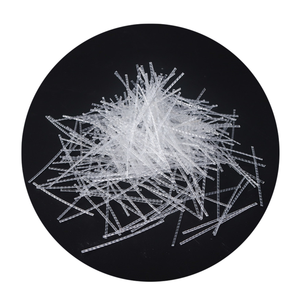
Applications of Building Construction Concrete Fiber Rod and Deformed Fiber Rebar
Applications of Concrete Fiber Rods and Deformed Fiber Rebar in Building Building
Improved Stamina for Modern Structures
Concrete fiber rods and warped fiber rebar add real toughness to building tasks. These products work inside concrete to stop cracks from growing. They help floors, te mau mata o te patu, and foundations stay solid in time. Home builders use them where added strength issues– mai te vahi tape'araa pereoo, Te mau papa'i fare hamaniraa tauihaa, e te mau hu'ahu'a o te fare tape'araa.
Better Break Control
Splits commonly appear in simple concrete as it dries out or moves. Adding fiber rods or deformed rebar lowers this risk. The fibers hold the concrete with each other also when little splits develop. This maintains surface areas smoother and safer. It also reduces repair work expenses later.
Faster and Cleaner Installment
Unlike standard steel rebar, fiber-based options are lighter and less complicated to deal with. Employees put them swiftly without heavy tools or complex configurations. There’s no demand for connecting cords or exact spacing. This speeds up pouring and ending up job. Less labor means lower general task time and expense.
Rust Resistance for Long Life
Steel rebar can corrosion when subjected to dampness or chemicals. Corrosion compromises the framework and creates surface damages. Fiber poles and flawed fiber rebar do not rust. They stay solid in damp locations like cellars, Te mau e'aturu, or coastal structures. This makes them a clever choice for long-lasting building and construction.
Faaohiparaa huru rau i roto i te mau opuaraa atoa
These fiber products fit many kinds of work. You’ll discover them in property driveways, business pathways, Te mau reni, and even shotcrete applications. They work well alone or together with steel support. Developers choose them based upon lots needs, heipuni, e te moni. Their flexibility helps satisfy modern building needs without concession.
Hoho'a o te Taiete
O tatou te ti'a faatere o te ao nei i roto i te mau rave'a no te faatitiaifaro i te mau rave'a hamaniraa tauihaa. Ua matau - maitai - hia oia na te ao nei no to ' na fafauraa i te maimiraa, Fa'aterehia, e te ite aravihi, mai te omuaraa mai â o te mau matahiti 2012 mai â, ua horo'a matou i te mau rave'a no te faatitiaifaro i te mau fifi.
Na te ao taatoa nei, e nehenehe ta tatou e horo'a i te mau tao'a faaineineraa ti'a teitei e te mau tao'a hu'ahu'a.
E tuhaa ohipa aravihi to te taiete e te hoê tuhaa fenua no te hi'opo'araa i te maitai, te hoê piha maimiraa tei faaineine-maitai-hia, e te mau rave'a hi'opo'araa aravihi e te hoê pû taviniraa i muri a'e i te hooraa.
Mai te mea e, te anaanatae ra outou, A faaite mai ia matou.
Aufau
T/T, Tooa o te râ, Paypal, Tareta tarahu etc.
Te tonoraa
Na roto i te reva, na te moana, na roto i te faaiteraa, mai ta te feia hoo tao'a e ani ra.
5 FAQs of Building Construction Concrete Fiber Rod and Deformed Fiber Rebar
Frequently Asked Questions About Concrete Fiber Rods and Deformed Fiber Rebar
What are concrete fiber rods used for?
Concrete fiber rods add strength to concrete. They help stop cracks from forming. E faaohipa te feia patu i te reira i nia i te tahua, patu, e te mau purumu. These rods mix right into the concrete. This makes the whole structure tougher without needing extra steps.
How is deformed fiber rebar different from steel rebar?
Deformed fiber rebar is made from strong synthetic fibers. Eita te reira e ino mai te fetia. Its surface has ridges, just like steel rebar, so it grips well inside concrete. It also weighs less. That makes it easier to carry and place during construction.
Can fiber rods replace steel reinforcement completely?
E ere i te mau taime atoa. Fiber rods work well for controlling small cracks and adding overall toughness. But for heavy loads or big structures, steel is still needed. Many projects use both—fibers for crack control and steel for main support.
Are these products easy to install?
ae. You add fiber rods straight into the concrete mix. Aita e mau ravea taa ê e titauhia. Deformed fiber rebar installs like regular rebar. Workers cut and tie it the same way. Because it’s lighter, handling takes less effort and time.
Do fiber rods and rebar meet building codes?
Most do. They follow standards from groups like ASTM and ACI. Always check local rules before starting a job. Make sure the product you choose has the right certifications. This keeps your project safe and up to code.
A TINIRAA I TE HOÊ PARAU
TE MAU HOPO'A FAATAA
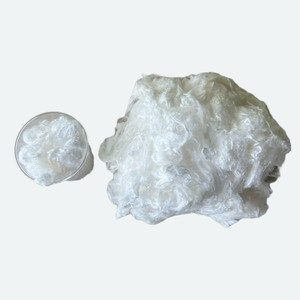
Hongshengyuan Polypropylene Te mau rave'a no te pato'i i te mau tao'a no te patu i te fare
12mm PP Polypropylene hu'ahu'a no te hu'ahu'a no te hu'ahu'a

Te opuaraa paturaa o te hoê e'aturu parahi parahi ti'a

Te mau hu'ahu'a Basalt Chopped Fiber 13mm Te rave'a no te haapuai i te mau rave'a haaparareraa parau
Te hoê ano'iraa mori 100% Te mau hu'ahu'a iti polyester