


Additius de formigó lleuger | Agents espumants d'alt rendiment per al formigó cel·lular


PARÀMETRES DEL PRODUCTE
Descripció
Overview of Cement Polypropylene Reinforcing fibres Concrete additive Polypropylene fiber Synthetic PP fiber
Per a una gran resistència a l'impacte, oferim fibres d'acer, un reemplaçament ideal per a la malla de filferro soldada en terres industrials i elements prefabricats. També oferim fibres sintètiques estructurals especialitzades que ofereixen una alta resistència a la tracció per a aplicacions exigents. Aquestes fibres es dispersen uniformement per tota la mescla de formigó, creant una xarxa de reforç multidimensional que els mètodes tradicionals no poden aconseguir. Aquest enfocament integrat simplifica la construcció, accelera la col·locació, i millora la integritat general i la longevitat del formigó, proporcionant una resposta moderna als reptes ancestrals d'esquerdes i durabilitat.
Features of Cement Polypropylene Reinforcing fibres Concrete additive Polypropylene fiber Synthetic PP fiber
1. Control superior d'esquerdes i durabilitat millorada:
La característica principal de les nostres fibres és la seva capacitat per salvar tant les microesquerdes que es formen durant l'estat plàstic com les esquerdes més grans del formigó endurit.. Aquesta dispersió tridimensional crea una matriu més cohesionada que resisteix la propagació d'esquerdes. El benefici directe és una reducció significativa tant de l'esquerda de la contracció plàstica com de l'amplada de l'esquerda a llarg termini. Això condueix a un formigó molt més durador i amb menor permeabilitat, que al seu torn millora la resistència a l'entrada d'aigua, danys per congelació-descongelació, i corrosió de qualsevol acer incrustat. El resultat és una estructura amb una vida útil més llarga i costos de manteniment reduïts.
2. Augment de la resistència a l'impacte i a l'abrasió:
Fibres, especialment acer i macrofibres sintètiques robustes, millorar dràsticament la duresa del formigó i el rendiment després de l'esquerda. Absorbeixen i distribueixen energia durant l'impacte o la càrrega. Aquesta característica ofereix l'avantatge d'una superfície més resistent que és menys propensa a esquinçar-se, xip, i abrasió sota trànsit intens o desgast mecànic. Aquest és un avantatge crític per a sòls industrials, paviments del magatzem, i projectes d'infraestructures, donant lloc a una superfície més resistent que manté la seva integritat al llarg del temps.
3. Eficiència de construcció i estalvi de costos:
Una característica clau de l'ús del reforç de fibra és l'eliminació de la malla de filferro soldada (WWF) en moltes aplicacions. Això ofereix immensos beneficis in situ: simplifica la col·locació, ja que no hi ha cap malla per muntar o potencialment desplaçada, i accelera tot el procés de construcció. Eliminant un pas que requereix molta mà d'obra, els projectes veuen costos laborals reduïts i terminis de projecte més ràpids. La distribució uniforme de les fibres també garanteix un reforç consistent en tota la secció del formigó, a diferència de la malla, que es pot col·locar incorrectament, donant lloc a un rendiment més fiable i previsible.

Specification of Cement Polypropylene Reinforcing fibres Concrete additive Polypropylene fiber Synthetic PP fiber
Spec of Cement Polypropylene Reinforcing Fibers
Revisió del producte
Polipropilè (PP) strengthening fibers are synthetic ingredients utilized in concrete and mortar blends. These fibers boost the efficiency of cement-based materials by controlling fractures and improving strength. Fet a partir de 100% polipropilè verge, they supply strong resistance to antacid, productes químics, and moisture found in typical construction settings.
La clau inclou
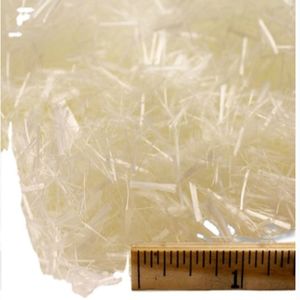
The fibers are monofilament and be available in numerous sizes– comunament 6 mm, 12 mm, o 19 mm– with a diameter around 18– 32 micres. Their tensile stamina goes beyond 450 MPa, and they have an elongation at break of about 15– 25%. They thaw at about 165 °C, which makes them safe for typical healing conditions. The fibers disperse equally in the mix without clumping, making certain constant results throughout sets.
Avantatges en el formigó
Quan s'afegeix al formigó, these fibers lower plastic shrinkage breaking throughout early healing stages. They likewise raise influence resistance and aid hold the material together after cracking happens. This enhances resilience and expands life span. A diferència de les fibres d'acer, PP fibers do not corrode, rovell, or perform electricity, making them excellent for applications where long-lasting stability matters.
Aplicacions habituals
Make use of these fibers in domestic pieces, terres comercials, formigó projectat, components prefabricats, estuc, i morters de treball de reparació. They work well in both damp and completely dry mix processes. Advised dose ranges from 0.6 a 1.0 kg per metre cúbic de formigó, en funció de les necessitats laborals.
Manipulació i emmagatzematge
Shop the fibers in a completely dry, great area far from direct sunshine. Maintain product packaging secured when not in use to avoid dampness absorption. No es necessita cap equip de manipulació especial– merely include them throughout the blending stage along with other accumulations.
Applications of Cement Polypropylene Reinforcing fibres Concrete additive Polypropylene fiber Synthetic PP fiber
Applications of Polypropylene Reinforcing Fibers in Concrete
More Powerful Concrete with Artificial PP Fibers
Polipropilè (PP) fibers are commonly utilized to improve the performance of concrete and cement-based items. These artificial fibers mix conveniently into wet concrete. They aid control breaking triggered by plastic shrinkage throughout the early healing stage. This makes the last framework extra durable and reputable.
Contractors add PP fibers to floors, voreres, i lloses comercials. The fibers hold the concrete together when small fractures begin to create. This decreases surface area damage and prolongs the life of the piece. In domestic projects, they are usually utilized in driveways, camins, and garage floorings for the very same factor.
Much Better Performance in Harsh Conditions
Concrete combined with polypropylene fibers resists effect much better than plain concrete. It additionally deals with repeated stress and anxiety more effectively. That is why these fibers are common in areas that face rush hour or mechanical wear– like storehouse floors, carregant ancoratges, and flight terminal paths.
In precast concrete products such as pipes, blocs, i panells, PP fibers enhance durability without including weight. They likewise lower water absorption, which aids stop freeze-thaw damages in cool environments.
Security and Performance on Site
Using polypropylene fibers is simple. Workers just include them to the mixer along with various other materials. No calen eines ni formació especials. Això estalvia temps i redueix els preus de la mà d'obra.
Because the fibers spread out equally with the mix, they minimize the demand for bonded cord mesh in many applications. This accelerates building and improves task site safety and security by eliminating sharp metal sides.
PP fibers do not corrosion or corrode. They remain secure inside concrete for the long term. Their chemical resistance makes them ideal for use in damp or chemically hostile environments like sewage systems or marine frameworks.
Presentació de l'empresa
Benvingut a Concrete and More, un proveïdor líder d'additius de formigó d'alt rendiment, inclosos els nostres reductors d'aigua de formigó premium. Amb anys d'experiència en el mercat global, oferim solucions avançades dissenyades per millorar la qualitat i l'eficiència dels projectes de construcció a tot el món. Les nostres instal·lacions de fabricació d'última generació garanteixen productes d'alta qualitat que compleixen els estàndards internacionals. Estem orgullosos d'un servei al client excepcional, suport tècnic, i solucions a mida per satisfer les necessitats específiques del projecte. Col·labora amb nosaltres per ser fiable, innovador, i additius de formigó rendibles que impulsen els vostres projectes. Exploreu més a www.concreteandmore.de/. Construïm el futur junts!
Si teniu alguna pregunta, si us plau, no dubteu a contactar amb nosaltres.
Mètodes de pagament
T/T, Western Union, Paypal, Targeta de crèdit, etc.
Mètodes d'enviament
Per aire, per mar, per express, tal com ho demanen els clients.
5 FAQs of Cement Polypropylene Reinforcing fibres Concrete additive Polypropylene fiber Synthetic PP fiber
Frequently Asked Questions About Polypropylene Reinforcing Fibers
Per a què serveixen les fibres de polipropilè al formigó?
Polypropylene fibers are added to concrete to improve its performance. Ajuden a controlar les esquerdes causades per la contracció durant l'assecat. These fibers also increase impact resistance and reduce surface spalling. Els constructors els utilitzen en lloses, paviments, parets, and other concrete structures.
How do these fibers work inside concrete?
Quan es barreja amb formigó humit, les fibres s'estenen uniformement per tota la barreja. A mesura que el formigó s'endureix, the fibers hold tiny cracks together. This stops small cracks from becoming big ones. The fibers act like a hidden support system inside the material.
Are polypropylene fibers better than steel fibers?
It depends on the job. Les fibres de polipropilè no s'oxiden, so they last longer in wet or corrosive environments. They are lighter and easier to mix. Steel fibers offer higher tensile strength but cost more and can corrode. For crack control and durability in normal conditions, polypropylene works very well.
Quanta fibra he d'afegir a la meva barreja de formigó?
La majoria dels projectes utilitzen entre 0.5 a 1.0 lliures de fibra per iarda cúbica de formigó. Seguiu sempre les instruccions del fabricant. Afegir massa poc pot no ajudar. Adding too much can make mixing difficult and weaken the mix.
Can I use these fibers with other admixtures?
Sí. Polypropylene fibers work well with most common concrete admixtures like water reducers, entradors d'aire, i superplastificants. Just add the fibers during the mixing stage. Make sure all materials are compatible by checking product data sheets or talking to your supplier.
SOL·LICITA UN PRESUP
PRODUCTES RELACIONATS

Factory the crack resistance Polypropylene Fiber Concrete HPMC HEC CMC PVA

Fibra de formigó de tall curt de PVA d'alt mòdul d'alta tenacitat per al formigó

Fibra d'enginyeria/fibra pp per a l'armament de formigó
Zirconia GFRC GRC Fibra de vidre per a additiu de fibra de ciment de formigó

Barat 100 El percentatge de microfibra de fibra de formigó de polipropilè per al formigó millora la qualitat i allarga la vida útil
