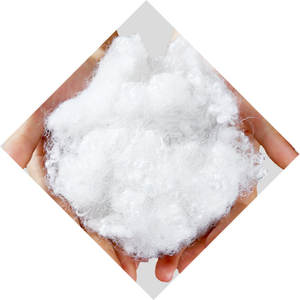
Magaan na Concrete Additives | Mga Ahente ng Bubula na Mahusay ang Pagganap para sa Cellular Concrete


MGA PARAMETER NG PRODUKTO
Paglalarawan
Overview of Cement Polypropylene Reinforcing fibres Concrete additive Polypropylene fiber Synthetic PP fiber
Para sa high-impact resistance, nag-aalok kami ng Steel Fibers, isang mainam na kapalit para sa welded wire mesh sa mga pang-industriyang sahig at mga pre-cast na elemento. Nagbibigay din kami ng dalubhasang Structural Synthetic Fibers na nag-aalok ng mataas na tensile strength para sa mga hinihingi na aplikasyon. Ang mga hibla na ito ay pantay na nakakalat sa buong kongkretong halo, paglikha ng isang multi-dimensional na reinforcement network na hindi makakamit ng mga tradisyonal na pamamaraan. Ang pinagsama-samang diskarte na ito ay pinapasimple ang konstruksiyon, nagpapabilis ng paglalagay, at pinahuhusay ang pangkalahatang integridad at mahabang buhay ng kongkreto, pagbibigay ng modernong sagot sa lumang mga hamon sa pag-crack at tibay.
Features of Cement Polypropylene Reinforcing fibres Concrete additive Polypropylene fiber Synthetic PP fiber
1. Superior Crack Control at Pinahusay na Durability:
Ang pangunahing tampok ng aming mga hibla ay ang kanilang kakayahang tulay ang parehong mga micro-crack na nabubuo sa panahon ng plastic state at mas malalaking bitak sa hardened concrete.. Ang three-dimensional na dispersion na ito ay lumilikha ng mas magkakaugnay na matrix na lumalaban sa pagpapalaganap ng crack. Ang direktang benepisyo ay isang makabuluhang pagbawas sa parehong plastic shrinkage crack at pangmatagalang lapad ng crack. Ito ay humahantong sa isang mas matibay na kongkreto na may mas mababang pagkamatagusin, na kung saan ay pinahuhusay ang paglaban sa pagpasok ng tubig, pinsala sa freeze-thaw, at kaagnasan ng anumang naka-embed na bakal. Ang resulta ay isang istraktura na may mas mahabang buhay ng serbisyo at pinababang gastos sa pagpapanatili.
2. Tumaas na Epekto at Paglaban sa Abrasion:
Mga hibla, partikular na bakal at matatag na sintetikong macro fibers, kapansin-pansing pagbutihin ang tibay ng kongkreto at pagganap pagkatapos ng pag-crack. Sila ay sumisipsip at namamahagi ng enerhiya sa epekto o paglo-load. Ang tampok na ito ay nagbibigay ng benepisyo ng isang mas nababanat na ibabaw na hindi gaanong madaling kapitan ng spalling, chipping, at abrasyon sa ilalim ng matinding trapiko o mekanikal na pagkasuot. Ito ay isang kritikal na kalamangan para sa mga pang-industriyang sahig, mga simento ng bodega, at mga proyektong pang-imprastraktura, humahantong sa isang mas matigas na suot na ibabaw na nagpapanatili ng integridad nito sa paglipas ng panahon.
3. Kahusayan sa Konstruksyon at Pagtitipid sa Gastos:
Ang isang pangunahing tampok ng paggamit ng fiber reinforcement ay ang pag-aalis ng welded wire mesh (WWF) sa maraming aplikasyon. Nagbibigay ito ng napakalaking benepisyo sa site: pinapasimple nito ang paglalagay, dahil walang mesh na ilalagay o posibleng maalis, at pinapabilis nito ang buong proseso ng konstruksiyon. Sa pamamagitan ng pag-alis ng labor-intensive na hakbang, nakikita ng mga proyekto ang pinababang gastos sa paggawa at mas mabilis na mga timeline ng proyekto. Tinitiyak din ng pare-parehong pamamahagi ng mga hibla ang pare-parehong reinforcement sa buong konkretong seksyon, hindi tulad ng mesh, na maaaring maling ilagay, humahantong sa mas maaasahan at predictable na pagganap.

Specification of Cement Polypropylene Reinforcing fibres Concrete additive Polypropylene fiber Synthetic PP fiber
Spec of Cement Polypropylene Reinforcing Fibers
Pagsusuri ng Produkto
Polypropylene (PP) strengthening fibers are synthetic ingredients utilized in concrete and mortar blends. These fibers boost the efficiency of cement-based materials by controlling fractures and improving strength. Made from 100% birhen na polypropylene, they supply strong resistance to antacid, mga kemikal, and moisture found in typical construction settings.
Key Kasama
The fibers are monofilament and be available in numerous sizes– karaniwan 6 mm, 12 mm, o 19 mm– with a diameter around 18– 32 microns. Their tensile stamina goes beyond 450 MPa, and they have an elongation at break of about 15– 25%. They thaw at about 165 ° C, which makes them safe for typical healing conditions. The fibers disperse equally in the mix without clumping, making certain constant results throughout sets.
Advantages in Concrete
When added to concrete, these fibers lower plastic shrinkage breaking throughout early healing stages. They likewise raise influence resistance and aid hold the material together after cracking happens. This enhances resilience and expands life span. Hindi tulad ng mga hibla ng bakal, PP fibers do not corrode, kalawang, or perform electricity, making them excellent for applications where long-lasting stability matters.
Mga Regular na Aplikasyon
Make use of these fibers in domestic pieces, commercial floors, shotcrete, precast na mga bahagi, stucco, at pagkumpuni ng mga mortar sa trabaho. They work well in both damp and completely dry mix processes. Advised dose ranges from 0.6 sa 1.0 kg bawat metro kubiko ng kongkreto, depending on job needs.
Paghawak at Pag-iimbak
Shop the fibers in a completely dry, great area far from direct sunshine. Maintain product packaging secured when not in use to avoid dampness absorption. No special handling equipment is needed– merely include them throughout the blending stage along with other accumulations.
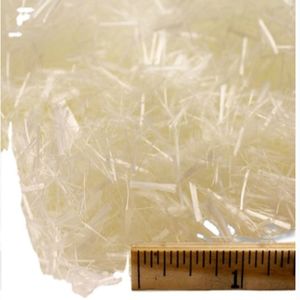
Applications of Cement Polypropylene Reinforcing fibres Concrete additive Polypropylene fiber Synthetic PP fiber
Applications of Polypropylene Reinforcing Fibers in Concrete
More Powerful Concrete with Artificial PP Fibers
Polypropylene (PP) fibers are commonly utilized to improve the performance of concrete and cement-based items. These artificial fibers mix conveniently into wet concrete. They aid control breaking triggered by plastic shrinkage throughout the early healing stage. This makes the last framework extra durable and reputable.
Contractors add PP fibers to floors, bangketa, at komersyal na mga slab. The fibers hold the concrete together when small fractures begin to create. This decreases surface area damage and prolongs the life of the piece. In domestic projects, they are usually utilized in driveways, mga landas, and garage floorings for the very same factor.
Much Better Performance in Harsh Conditions
Concrete combined with polypropylene fibers resists effect much better than plain concrete. It additionally deals with repeated stress and anxiety more effectively. That is why these fibers are common in areas that face rush hour or mechanical wear– like storehouse floors, loading anchors, and flight terminal paths.
In precast concrete products such as pipes, mga bloke, at mga panel, PP fibers enhance durability without including weight. They likewise lower water absorption, which aids stop freeze-thaw damages in cool environments.
Security and Performance on Site
Using polypropylene fibers is simple. Workers just include them to the mixer along with various other materials. Walang mga espesyal na tool o pagsasanay ang kailangan. This conserves time and cuts labor prices.
Because the fibers spread out equally with the mix, they minimize the demand for bonded cord mesh in many applications. This accelerates building and improves task site safety and security by eliminating sharp metal sides.
PP fibers do not corrosion or corrode. They remain secure inside concrete for the long term. Their chemical resistance makes them ideal for use in damp or chemically hostile environments like sewage systems or marine frameworks.
Panimula ng Kumpanya
Maligayang pagdating sa Concrete and More, isang nangungunang tagapagbigay ng mataas na pagganap ng mga konkretong admixture, kasama na ang aming mga premium na concrete water reducer. Sa mga taon ng karanasan sa pandaigdigang merkado, nag-aalok kami ng mga advanced na solusyon na idinisenyo upang mapahusay ang kalidad at kahusayan ng mga proyekto sa pagtatayo sa buong mundo. Tinitiyak ng aming mga makabagong pasilidad sa pagmamanupaktura ang mga de-kalidad na produkto na nakakatugon sa mga internasyonal na pamantayan. Ipinagmamalaki namin ang aming sarili sa pambihirang serbisyo sa customer, teknikal na suporta, at mga iniangkop na solusyon upang matugunan ang mga partikular na pangangailangan ng proyekto. Makipagtulungan sa amin para mapagkakatiwalaan, makabago, at cost-effective na concrete admixtures na nagtutulak sa iyong mga proyekto pasulong. Mag-explore pa sa www.concreteandmore.de/. Sama-sama nating buuin ang kinabukasan!
Kung mayroon kang anumang mga katanungan, mangyaring huwag mag-atubiling makipag-ugnay sa amin.
Mga Paraan ng Pagbabayad
T/T, Western Union, Paypal, Credit Card atbp.
Mga Paraan ng Pagpapadala
Sa pamamagitan ng hangin, sa pamamagitan ng dagat, sa pamamagitan ng express, bilang kahilingan ng mga customer.
5 FAQs of Cement Polypropylene Reinforcing fibres Concrete additive Polypropylene fiber Synthetic PP fiber
Frequently Asked Questions About Polypropylene Reinforcing Fibers
What are polypropylene fibers used for in concrete?
Polypropylene fibers are added to concrete to improve its performance. They help control cracking caused by shrinkage during drying. These fibers also increase impact resistance and reduce surface spalling. Builders use them in slabs, mga simento, mga pader, and other concrete structures.
How do these fibers work inside concrete?
When mixed into wet concrete, the fibers spread evenly throughout the mix. As the concrete hardens, the fibers hold tiny cracks together. This stops small cracks from becoming big ones. The fibers act like a hidden support system inside the material.
Are polypropylene fibers better than steel fibers?
It depends on the job. Polypropylene fibers do not rust, so they last longer in wet or corrosive environments. They are lighter and easier to mix. Steel fibers offer higher tensile strength but cost more and can corrode. For crack control and durability in normal conditions, polypropylene works very well.
How much fiber should I add to my concrete mix?
Most projects use between 0.5 sa 1.0 pounds of fiber per cubic yard of concrete. Palaging sundin ang mga tagubilin ng tagagawa. Adding too little may not help. Adding too much can make mixing difficult and weaken the mix.
Can I use these fibers with other admixtures?
Oo. Polypropylene fibers work well with most common concrete admixtures like water reducers, air entrainers, and superplasticizers. Just add the fibers during the mixing stage. Make sure all materials are compatible by checking product data sheets or talking to your supplier.
HUMILING NG QUOTE
MGA KAUGNAY NA PRODUKTO
Hot High Tensile Strength E Glass Fiber Chopped Strand For Concrete

Best Quality Furnace Ceramic Fiber 300kg per Cubic Meter High Temperature Ceramic Fiber Board Insulation

Fiberglass Mesh 4x4mm Fiber Glass Mesh for Wall 160g Plaster Net
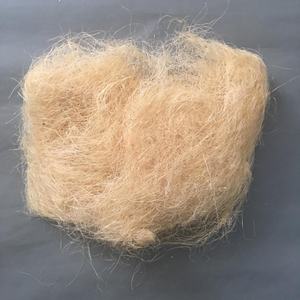
types of steel fibers used in concrete

High Strength 6mm Construction Concrete Cement PP Concrete Fiber