


Ihe mgbakwunye ihe dị fechaa | Ndị na-ahụ maka ụfụfụ na-arụ ọrụ dị elu maka ihe nhịahụ cellular


PRAMETERS ngwaahịa
Nkọwa
Overview of Cement Polypropylene Reinforcing fibres Concrete additive Polypropylene fiber Synthetic PP fiber
Maka nguzogide mmetụta dị elu, anyị na-enye Steel Fibers, ezigbo ndochi maka welded waya ntupu na ulo oru ala na tupu nkedo ihe. Anyị na-enyekwa eriri sịntetịtịk Structural pụrụ iche nke na-enye ike tensile dị elu maka ngwa na-achọsi ike. A na-agbasasị eriri ndị a n'otu n'otu n'ime ngwakọta kọmpụta, ịmepụta netwọk nkwado ọtụtụ akụkụ nke usoro ọdịnala na-enweghị ike imezu. Usoro a jikọtara ọnụ na-eme ka owuwu dị mfe, na-eme ka ntinye ngwa ngwa, na enhances n'ozuzu iguzosi ike n'ezi ihe na ogologo ndụ nke ihe, na-enye azịza ọgbara ọhụrụ maka mgbawa mgbawa na ogologo oge.
Features of Cement Polypropylene Reinforcing fibres Concrete additive Polypropylene fiber Synthetic PP fiber
1. Njikwa mgbapeka dị elu yana ịdịte aka emelitere:
Akụkụ bụ isi nke eriri anyị bụ ikike ha nwere ijikọ ma micro-cracks nke na-etolite n'oge steeti plastik yana mgbawa buru ibu na kọmpụta siri ike.. Mgbasa nke akụkụ atọ a na-emepụta matriks na-ejikọta ọnụ nke na-egbochi mgbasa mgbape. Uru a na-enweta kpọmkwem bụ mbelata dị ukwuu na mgbawa plastic shrinkage na obosara ogologo oge. Nke a na-eduga na a ukwuu ọzọ inogide ihe na ala permeability, nke na-eme ka iguzogide mmiri na-abanye, ifriizi-mebie mmebi, na corrosion nke ígwè ọ bụla agbakwunyere. Ihe si na ya pụta bụ nhazi nke nwere ogologo ndụ ọrụ yana belata ụgwọ ọrụ nlekọta.
2. Mmụba Mmetụta yana Mgbochi Abrasion:
eriri, karịsịa ígwè na siri ike sịntetik nnukwu eriri, na-emeziwanye ike nke ihe siri ike na ịrụ ọrụ mgbe mgbawa gasịrị. Ha na-amịkọrọ ma kesaa ike n'elu mmetụta ma ọ bụ ibu. Njirimara a na-enye abamuru nke elu na-agbanwe agbanwe nke na-adịchaghị mfe spalling, chipping, na abrasion n'okpuru oké okporo ụzọ ma ọ bụ n'ibu eyi. Nke a bụ uru dị oke egwu maka ala ụlọ ọrụ mmepụta ihe, pavement ụlọ nkwakọba ihe, na akụrụngwa akụrụngwa, na-eduga n'elu elu na-eyi ihe siri ike nke na-edobe iguzosi ike n'ezi ihe ya ka oge na-aga.
3. Ịrụ ọrụ nke ọma na ego ego:
Otu akụkụ dị mkpa nke iji nkwado eriri bụ mkpochapụ ntupu eriri welded (WWF) n'ọtụtụ ngwa. Nke a na-enye nnukwu uru na saịtị: ọ na-eme ka ntinye dị mfe, n'ihi na enweghị ntupu a ga-edozi ma ọ bụ nwee ike ịkwapụ, na ọ na-eme ka usoro ihe owuwu ahụ dum dịkwuo elu. Site n'iwepụ nzọụkwụ na-akpa ike, oru ngo na-ahụ mbelata ụgwọ ọrụ na usoro iheomume ngwa ngwa. Nkesa otu nke eriri na-eme ka nkwado na-agbanwe agbanwe na mpaghara kọmpụta niile, n'adịghị ka ntupu, nke enwere ike itinye ya n'ụzọ na-ekwesịghị ekwesị, na-eduga na arụmọrụ a pụrụ ịdabere na ya na nke a pụrụ ịkọ.

Specification of Cement Polypropylene Reinforcing fibres Concrete additive Polypropylene fiber Synthetic PP fiber
Spec of Cement Polypropylene Reinforcing Fibers
Nyochaa ngwaahịa
Polypropylene (PP) strengthening fibers are synthetic ingredients utilized in concrete and mortar blends. These fibers boost the efficiency of cement-based materials by controlling fractures and improving strength. Emere ya 100% polypropylene na-amaghị nwoke, they supply strong resistance to antacid, kemikal, and moisture found in typical construction settings.
Igodo gụnyere
The fibers are monofilament and be available in numerous sizes– na-emekarị 6 mm, 12 mm, ma ọ bụ 19 mm– with a diameter around 18– 32 microns. Their tensile stamina goes beyond 450 MPa, and they have an elongation at break of about 15– 25%. They thaw at about 165 Celsius C, which makes them safe for typical healing conditions. The fibers disperse equally in the mix without clumping, making certain constant results throughout sets.
Uru dị na Concrete
Mgbe agbakwunyere na nkochi, these fibers lower plastic shrinkage breaking throughout early healing stages. They likewise raise influence resistance and aid hold the material together after cracking happens. This enhances resilience and expands life span. N'adịghị ka ígwè eriri, PP fibers do not corrode, nchara, or perform electricity, making them excellent for applications where long-lasting stability matters.
Ngwa mgbe niile
Make use of these fibers in domestic pieces, ala azụmahịa, shotcrete, precast components, stucco, na rụkwaa ngwa agha ọrụ. They work well in both damp and completely dry mix processes. Advised dose ranges from 0.6 ka 1.0 n'arọ kwa cubic mita nke ihe, depending on job needs.
Ijikwa na Nchekwa
Shop the fibers in a completely dry, great area far from direct sunshine. Maintain product packaging secured when not in use to avoid dampness absorption. No special handling equipment is needed– merely include them throughout the blending stage along with other accumulations.
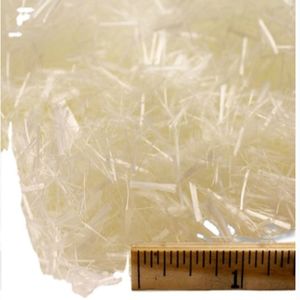
Applications of Cement Polypropylene Reinforcing fibres Concrete additive Polypropylene fiber Synthetic PP fiber
Applications of Polypropylene Reinforcing Fibers in Concrete
More Powerful Concrete with Artificial PP Fibers
Polypropylene (PP) fibers are commonly utilized to improve the performance of concrete and cement-based items. These artificial fibers mix conveniently into wet concrete. They aid control breaking triggered by plastic shrinkage throughout the early healing stage. This makes the last framework extra durable and reputable.
Contractors add PP fibers to floors, okporo ụzọ, na slabs azụmahịa. The fibers hold the concrete together when small fractures begin to create. This decreases surface area damage and prolongs the life of the piece. Na ọrụ ụlọ, they are usually utilized in driveways, ụzọ, and garage floorings for the very same factor.
Much Better Performance in Harsh Conditions
Concrete combined with polypropylene fibers resists effect much better than plain concrete. It additionally deals with repeated stress and anxiety more effectively. That is why these fibers are common in areas that face rush hour or mechanical wear– like storehouse floors, nkwụnye arịlịka, and flight terminal paths.
In precast concrete products such as pipes, ihe mgbochi, na panel, PP fibers enhance durability without including weight. They likewise lower water absorption, which aids stop freeze-thaw damages in cool environments.
Security and Performance on Site
Using polypropylene fibers is simple. Workers just include them to the mixer along with various other materials. Ọ dịghị ngwá ọrụ ma ọ bụ ọzụzụ pụrụ iche achọrọ. This conserves time and cuts labor prices.
Because the fibers spread out equally with the mix, they minimize the demand for bonded cord mesh in many applications. This accelerates building and improves task site safety and security by eliminating sharp metal sides.
PP fibers do not corrosion or corrode. They remain secure inside concrete for the long term. Their chemical resistance makes them ideal for use in damp or chemically hostile environments like sewage systems or marine frameworks.
Okwu Mmalite nke ụlọ ọrụ
Nnọọ na Concrete na ndị ọzọ, onye na-eweta ihe mgbakwunye ihe nrụpụta dị elu, gụnyere ndị na-ebelata mmiri konkịtị anyị. Site na ahụmịhe afọ na ahịa zuru ụwa ọnụ, anyị na-enye ihe ngwọta dị elu e mere iji welie àgwà na arụmọrụ nke ọrụ ihe owuwu n'ụwa nile. Ụlọ ọrụ mmepụta ihe ọgbara ọhụrụ anyị na-eme ka ngwaahịa ndị kachasị mma na-agbaso ụkpụrụ mba ụwa. Anyị na-anya isi na ọrụ ndị ahịa pụrụ iche, nkwado ndị teknuzu, na ahaziri ngwọta iji gboo mkpa ọrụ ngo. Soro anyị maka ntụkwasị obi, ọhụrụ, na-eri-irè ihe admixtures na-akpali gị oru ngo na-aga n'ihu. Chọgharịa ọzọ na www.concreteandmore.de/. Ka anyị wulite ọdịnihu ọnụ!
Ọ bụrụ na ị nwere ajụjụ ọ bụla, biko nweere onwe gị ịkpọtụrụ anyị.
Ụzọ ịkwụ ụgwọ
T/T, Western Union, Paypal, Kaadị kredit wdg.
Ụzọ mbupu
Site n'ikuku, site n'oké osimiri, site na nkwuwa okwu, dị ka ndị ahịa na-arịọ.
5 FAQs of Cement Polypropylene Reinforcing fibres Concrete additive Polypropylene fiber Synthetic PP fiber
Frequently Asked Questions About Polypropylene Reinforcing Fibers
What are polypropylene fibers used for in concrete?
Polypropylene fibers are added to concrete to improve its performance. Ha na-enyere aka ịchịkwa mgbawa nke mbelata na-akpata n'oge ihicha. These fibers also increase impact resistance and reduce surface spalling. Ndị na-ewu ụlọ na-eji ha na slabs, pavement, mgbidi, na ihe owuwu ihe ndị ọzọ.
How do these fibers work inside concrete?
Mgbe agwakọtara n'ime mmiri mmiri, eriri ndị ahụ na-agbasa n'ụzọ ziri ezi na ngwakọta. Dị ka ihe na-esi ike, the fibers hold tiny cracks together. This stops small cracks from becoming big ones. The fibers act like a hidden support system inside the material.
Are polypropylene fibers better than steel fibers?
Ọ dabere na ọrụ ahụ. Polypropylene fibers do not rust, so they last longer in wet or corrosive environments. They are lighter and easier to mix. Steel fibers offer higher tensile strength but cost more and can corrode. For crack control and durability in normal conditions, polypropylene works very well.
Kedu eriri eriri ka m ga-agbakwunye na ngwakọta kọmpụta m?
Ọtụtụ oru ngo na-eji n'etiti 0.5 ka 1.0 pounds of fiber per cubic yard of concrete. Soro ntuziaka onye nrụpụta mgbe niile. Ịgbakwunye ntakịrị nwere ike ọ gaghị enyere aka. Adding too much can make mixing difficult and weaken the mix.
Can I use these fibers with other admixtures?
Ee. Polypropylene fibers work well with most common concrete admixtures like water reducers, ikuku entrainers, na superplasticizers. Just add the fibers during the mixing stage. Make sure all materials are compatible by checking product data sheets or talking to your supplier.
RỊỌRỌ OKWU
Ngwaahịa ndị metụtara

Mpempe akwụkwọ Concrete agbakwunyere n'ụkpụrụ osisi fiber ciment

12mm na-eme ka ihe dị n'ime ya jiri Polypropylene PP Fiber
Factory Liners of Industrial Furnace White Other Refractory Blanket Ceramic Fiber Products
FiberGLASS Composite FRP Rebar For Construction On Glass Fiber Reinforced Rod Fiberglass Products
Mpempe mgbidi dị n'ime na nke mpụta nke osisi ihe ndozi osisi ciment Board Concrete Panel Concrete Fiber Cement Board.
