Gaan nga Concrete Additives | High-Performance Foaming Agents para sa Cellular Concrete


MGA PARAMETER SA PRODUKTO
Deskripsyon
Introduction to Cellulose Ether Hydroxypropyl Methyl Cellulose HPMC Used for Tile Over Tile Adhesives
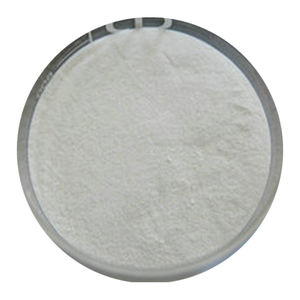
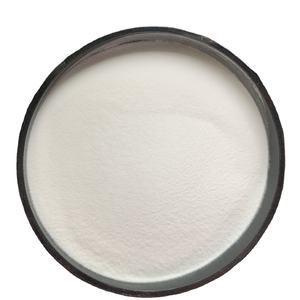
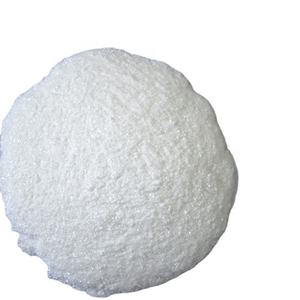
Hydroxypropyl Methylcellulose (HPMC), kansang Chinese nga ngalan mao ang hydroxypropyl methylcellulose, usa ka semi-synthetic, non-ionic cellulose ether nga nakuha pinaagi sa chemically modifying natural cellulose. Kini nga puti nga pulbos mahimo nga usa ka transparent viscous nga solusyon human matunaw sa tubig. Kini adunay maayo kaayo nga thickening, paghawid sa tubig, kalig-on ug mga kabtangan sa paghimo sa pelikula. Kini usa ka kinahanglanon nga multifunctional additive sa daghang mga natad sama sa pagtukod.
Characteristics and advantages of Cellulose Ether Hydroxypropyl Methyl Cellulose HPMC Used for Tile Over Tile Adhesives
Maayo kaayo nga solubility sa tubig: Kini dali nga matunaw sa bugnaw nga tubig aron maporma ang usa ka tin-aw ug lig-on nga solusyon.
Episyente nga pagpalapot ug abilidad sa pagpadayon sa tubig: Dugangi ang viscosity sa materyal, epektibo nga pagpakunhod sa tubig evaporation, ug pagpalambo sa kaepektibo sa trabaho.
Maayong kalig-on: Kini adunay maayo nga kalig-on sa mga asido, alkalis, ug mga asin, ug angay alang sa usa ka halapad nga mga kantidad sa pH.
Pagporma sa pelikula ug mga epekto sa pagpanalipod: Human sa pagpauga, kini nag-umol sa usa ka gahi ug transparent nga pelikula sa pagpanalipod sa substrate ug pagpugong sa tubig penetration ug evaporation.
Non-toxic ug non-irritating: Kini adunay maayo nga biocompatibility ug angay alang sa natad sa medisina ug pagkaon.
Pagpasibo: Pinaagi sa pagbag-o sa lebel sa pagpuli ug gibug-aton sa molekula, ang pasundayag niini mahimong ipasibo aron matubag ang lainlaing mga kinahanglanon sa aplikasyon.

Specifications of Cellulose Ether Hydroxypropyl Methyl Cellulose HPMC Used for Tile Over Tile Adhesives
Requirements of Cellulose Ether Hydroxypropyl Methyl Cellulose (HPMC) for Ceramic Tile Over Tile Adhesives
Secret Physical and Chemical Residences
Panagway: Puti ngadto sa beige free-flowing powder.
Dimensyon sa Partikulo: Travels Through an 80-mesh filter (≥ 98%).
pH Bili (2% serbisyo): 6.0– 8.0.
Basa nga Web content: ≤ 5.0%.
Abo nga Kontento: ≤ 1.5%.
Efficiency Characteristics
Pagkalapot (2% solusyon sa 20 ° C): Readily available in multiple qualities– kasagaran 4,000 mPa · s, 15,000 mPa · s, o 40,000 mPa · s– to match different adhesive formulations. Higher viscosity boosts water retention and workability.
Pagpabilin sa Tubig: ≥ 90% (examined under common problems). This makes certain correct concrete hydration and strong bond strength, especially on thick or non-absorbent floor tile surfaces.
Temperatura sa Gel: 58– 62 ° C. HPMC remains stable throughout regular application yet gels at elevated temperatures, protecting against droop in vertical applications.
Practical Advantages in Tile Over Ceramic Tile Adhesives
HPMC works as a key additive that boosts the efficiency of tile adhesives applied straight over existing ceramic tiles. It improves open time, providing installers much more functioning flexibility. The polymer develops a consistent movie that improves attachment in between old and brand-new surface areas. It additionally reduces slippage, so floor tiles stay in area without changing. Excellent water retention stops early drying out, which is critical when bonding to low-porosity substratums like glazed ceramic or porcelain floor tiles.
HPMC works with common cementitious systems and various other ingredients made use of in contemporary thin-set mortars. It spreads quickly in water and does not clump when combined correctly. The product satisfies global high quality standards and is without hazardous unstable organic compounds (Mga VOC).
Storage space must remain in a trendy, dry location far from wetness. Keep containers sealed when not in use to maintain flowability and efficiency. Ang gitas-on sa kinabuhi kasagaran 12 months under correct storage problems.
Applications of Cellulose Ether Hydroxypropyl Methyl Cellulose HPMC Used for Tile Over Tile Adhesives
Why HPMC Is Vital in Tile Over Floor Tile Adhesives
Mas Gamhanan nga Bond, Easier Application
Hydroxypropyl methyl cellulose (HPMC) plays a crucial function in floor tile over tile adhesives. It assists the adhesive stick far better to both old and brand-new ceramic tiles. Kung walay HPMC, the mix might dry out too fast or lose grasp before tiles are set.
HPMC maintains water inside the sticky longer. This gives employees even more time to put tiles correctly. The slow drying out additionally means concrete fragments moisten completely. Full hydration brings about a stronger final bond.
Much Better Workability and Consistency
Floor tile over floor tile tasks require smooth, easy-to-spread adhesives. HPMC adds body to the mix. It stops the paste from dripping or moving off vertical surface areas. This is very important when working on walls or unequal floors.
The powder mixes equally with water. It creates a luscious structure that shovels on without swellings. Employees locate it simpler to control thickness and insurance coverage. Much less waste occurs during application.
Protects Against Cracking and Slippage
Old ceramic tiles can be smooth or shiny. That makes bonding hard. HPMC improves bond by forming a slim film that grasps the surface. It also decreases shrinking as the adhesive cures. Less contraction suggests fewer splits gradually.
Floor tiles stay where you put them. They do not move down prior to the sticky sets. This conserves time on changes and repositioning.
Functions in Various Conditions
HPMC does well in hot or dry weather. It holds moisture even when evaporation is high. In cool problems, it still permits appropriate treating. This makes the sticky dependable year-round.
Makers count on HPMC because it provides constant results batch after set. Installers get predictable performance every time they open up a bag.
Profile sa Kompanya
Kami ang global nga lider sa lightweight nga kongkreto ug advanced engineered foam nga mga solusyon. Nailhan sa tibuok kalibutan tungod sa pasalig niini sa panukiduki, kabag-ohan, ug gigamit nga kahanas, Naghatag kami og engineered foam nga mga solusyon sukad sa sayong bahin sa 2012.
Makahatag kami og taas nga kalidad nga konkretong admixture ug foam concrete related nga mga produkto sa tibuok kalibutan.
Ang kompanya adunay usa ka propesyonal nga departamento sa teknikal ug departamento sa pagdumala sa kalidad, usa ka laboratoryo nga nasangkapan pag-ayo, ug nasangkapan sa advanced testing equipment ug after-sales customer service center.
Kung interesado ka, palihug mobati nga gawasnon ug kontaka kami.
Bayad
T/T, Western Union, Paypal, Credit Card ug uban pa.
Pagpadala
Pinaagi sa hangin, pinaagi sa dagat, pinaagi sa express, ingon sa gihangyo sa mga kustomer.
5 FAQs of Cellulose Ether Hydroxypropyl Methyl Cellulose HPMC Used for Tile Over Tile Adhesives
Frequently Asked Questions About HPMC in Tile Over Tile Adhesives
What is HPMC and why is it used in tile adhesives?
Ang HPMC mao ang Hydroxypropyl Methyl Cellulose. It is a water-soluble polymer made from natural cellulose. In tile over tile adhesives, HPMC helps control water retention. This lets the cement in the adhesive hydrate properly, which builds strong bonds. It also improves workability so the adhesive spreads easily.
How does HPMC improve adhesion between old and new tiles?
Old tiles are smooth and non-porous. That makes bonding hard. HPMC keeps water in the adhesive longer. This gives the cement more time to react and stick well to both surfaces. Kung walay HPMC, water would soak out too fast or evaporate, weakening the bond.
Does HPMC affect open time?
Oo. Open time is how long you can adjust tiles after placing them. HPMC extends this time by slowing down water loss. Workers get more time to position tiles correctly without rushing. This leads to better alignment and fewer mistakes.
Can HPMC prevent sagging on vertical surfaces?
It helps a lot. HPMC adds thickness and structure to the adhesive. This stops it from sliding down walls when you apply heavy tiles. The adhesive stays where you put it, even on vertical or overhead surfaces.
Is HPMC safe and stable in tile adhesives?
HPMC is non-toxic and widely approved for construction use. It stays stable in dry mixes and performs well under normal weather conditions. It does not react with other common ingredients like cement or sand. This makes it reliable for everyday use on job sites.
PANGAYO UG KUTIL
KAUGNAY NGA MGA PRODUKTO
Taas nga viscosity 99.9% HPMC powder kemikal nga auxiliary ahente hpmc

Chemical Hydroxy propyl methyl cellulose HPMC for Washing Tiles Concrete and mortars
Detergent Grade Hydroxypropyl Methyl Cellulose HPMC alang sa Hand Wash Shampoo Liquid Detergent
Hydroxypropyl Methyl Cellulose HPMC 9004 65 3 Natural nga Polimer

Hot High Quality Hydroxypropyl Methyl Cellulose HPMC White Powder Tylose