


Additivi per calcestruzzo leggero | Agenti schiumogeni ad alte prestazioni per cemento cellulare


PARAMETRI DEL PRODOTTO
Descrizione
Introduction to Cellulose Ether Hydroxypropyl Methyl Cellulose HPMC Used for Tile Over Tile Adhesives
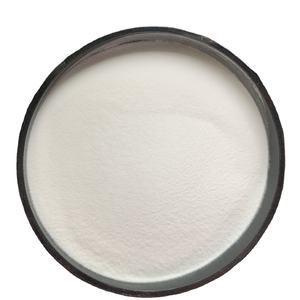
Idrossipropilmetilcellulosa (HPMC), il cui nome cinese è idrossipropilmetilcellulosa, è un semisintetico, Etere di cellulosa non ionico ottenuto modificando chimicamente la cellulosa naturale. Questa polvere bianca può formare una soluzione viscosa trasparente dopo la dissoluzione in acqua. Ha un ottimo addensamento, ritenzione idrica, stabilità e proprietà filmogene. È un additivo multifunzionale indispensabile in molti campi come l'edilizia.
Characteristics and advantages of Cellulose Ether Hydroxypropyl Methyl Cellulose HPMC Used for Tile Over Tile Adhesives
Eccellente solubilità in acqua: Può essere rapidamente sciolto in acqua fredda per formare una soluzione limpida e stabile.
Efficiente capacità di addensamento e ritenzione idrica: Aumentare la viscosità del materiale, ridurre efficacemente l'evaporazione dell'acqua, e migliorare l'efficienza del lavoro.
Buona stabilità: Ha una buona stabilità agli acidi, alcali, e sali, ed è adatto per un'ampia gamma di valori di pH.
Effetti filmogeni e protettivi: Dopo l'asciugatura, forma una pellicola tenace e trasparente che protegge il supporto ed impedisce la penetrazione e l'evaporazione dell'acqua.
Non tossico e non irritante: Ha una buona biocompatibilità ed è adatto ai campi della medicina e dell'alimentazione.
Adattabilità: Modificando il grado di sostituzione e il peso molecolare, le sue prestazioni possono essere regolate per soddisfare diversi requisiti applicativi.

Specifications of Cellulose Ether Hydroxypropyl Methyl Cellulose HPMC Used for Tile Over Tile Adhesives
Requirements of Cellulose Ether Hydroxypropyl Methyl Cellulose (HPMC) for Ceramic Tile Over Tile Adhesives
Residenze fisiche e chimiche segrete
Aspetto: Polvere scorrevole dal bianco al beige.
Dimensione delle particelle: Travels Through an 80-mesh filter (≥ 98%).
pH Vale la pena (2% servizio): 6.0– 8.0.
Contenuti Web sull'umidità: ≤ 5.0%.
Contenuto di cenere: ≤ 1.5%.
Caratteristiche di efficienza
Viscosità (2% soluzione a 20 °C): Prontamente disponibile in molteplici qualità– normalmente 4,000 mPa·s, 15,000 mPa·s, O 40,000 mPa·s– to match different adhesive formulations. Higher viscosity boosts water retention and workability.
Ritenzione idrica: ≥ 90% (examined under common problems). This makes certain correct concrete hydration and strong bond strength, especially on thick or non-absorbent floor tile surfaces.
Temperatura del gel: 58– 62 °C. HPMC remains stable throughout regular application yet gels at elevated temperatures, protecting against droop in vertical applications.
Practical Advantages in Tile Over Ceramic Tile Adhesives
HPMC works as a key additive that boosts the efficiency of tile adhesives applied straight over existing ceramic tiles. Migliora il tempo aperto, providing installers much more functioning flexibility. The polymer develops a consistent movie that improves attachment in between old and brand-new surface areas. It additionally reduces slippage, so floor tiles stay in area without changing. Excellent water retention stops early drying out, which is critical when bonding to low-porosity substratums like glazed ceramic or porcelain floor tiles.
HPMC works with common cementitious systems and various other ingredients made use of in contemporary thin-set mortars. It spreads quickly in water and does not clump when combined correctly. The product satisfies global high quality standards and is without hazardous unstable organic compounds (COV).
Storage space must remain in a trendy, dry location far from wetness. Keep containers sealed when not in use to maintain flowability and efficiency. Life span is usually 12 months under correct storage problems.
Applications of Cellulose Ether Hydroxypropyl Methyl Cellulose HPMC Used for Tile Over Tile Adhesives
Why HPMC Is Vital in Tile Over Floor Tile Adhesives
Legame più potente, Applicazione più semplice
Idrossipropilmetilcellulosa (HPMC) plays a crucial function in floor tile over tile adhesives. It assists the adhesive stick far better to both old and brand-new ceramic tiles. Senza HPMC, the mix might dry out too fast or lose grasp before tiles are set.
HPMC maintains water inside the sticky longer. This gives employees even more time to put tiles correctly. The slow drying out additionally means concrete fragments moisten completely. Full hydration brings about a stronger final bond.
Much Better Workability and Consistency
Floor tile over floor tile tasks require smooth, easy-to-spread adhesives. HPMC adds body to the mix. It stops the paste from dripping or moving off vertical surface areas. This is very important when working on walls or unequal floors.
The powder mixes equally with water. It creates a luscious structure that shovels on without swellings. Employees locate it simpler to control thickness and insurance coverage. Much less waste occurs during application.
Protects Against Cracking and Slippage
Old ceramic tiles can be smooth or shiny. That makes bonding hard. HPMC improves bond by forming a slim film that grasps the surface. It also decreases shrinking as the adhesive cures. Less contraction suggests fewer splits gradually.
Floor tiles stay where you put them. They do not move down prior to the sticky sets. This conserves time on changes and repositioning.
Functions in Various Conditions
HPMC does well in hot or dry weather. It holds moisture even when evaporation is high. In cool problems, it still permits appropriate treating. This makes the sticky dependable year-round.
Makers count on HPMC because it provides constant results batch after set. Installers get predictable performance every time they open up a bag.
Profilo Aziendale
Siamo il leader globale nelle soluzioni di calcestruzzo leggero e schiuma ingegnerizzata avanzata. Conosciuta a livello mondiale per il suo impegno nella ricerca, innovazione, e competenza applicata, forniamo soluzioni in schiuma ingegnerizzata dall'inizio del 2012.
Siamo in grado di fornire additivi per calcestruzzo e prodotti correlati al calcestruzzo espanso di alta qualità in tutto il mondo.
L'azienda dispone di un dipartimento tecnico professionale e di un dipartimento di supervisione della qualità, un laboratorio ben attrezzato, e dotato di apparecchiature di collaudo avanzate e centro di assistenza clienti post-vendita.
Se sei interessato, non esitate a contattarci.
Pagamento
T/T, Unione occidentale, PayPal, Carta di credito ecc.
Spedizione
In aereo, via mare, per espresso, come richiedono i clienti.
5 FAQs of Cellulose Ether Hydroxypropyl Methyl Cellulose HPMC Used for Tile Over Tile Adhesives
Frequently Asked Questions About HPMC in Tile Over Tile Adhesives
Cos'è l'HPMC e perché viene utilizzato negli adesivi per piastrelle?
HPMC sta per idrossipropilmetilcellulosa. It is a water-soluble polymer made from natural cellulose. In tile over tile adhesives, HPMC aiuta a controllare la ritenzione idrica. This lets the cement in the adhesive hydrate properly, which builds strong bonds. It also improves workability so the adhesive spreads easily.
How does HPMC improve adhesion between old and new tiles?
Old tiles are smooth and non-porous. That makes bonding hard. HPMC keeps water in the adhesive longer. This gives the cement more time to react and stick well to both surfaces. Senza HPMC, water would soak out too fast or evaporate, weakening the bond.
HPMC influisce sul tempo aperto?
SÌ. Il tempo aperto è il tempo in cui puoi regolare le tessere dopo averle posizionate. HPMC extends this time by slowing down water loss. Workers get more time to position tiles correctly without rushing. This leads to better alignment and fewer mistakes.
HPMC può prevenire cedimenti su superfici verticali?
It helps a lot. HPMC adds thickness and structure to the adhesive. This stops it from sliding down walls when you apply heavy tiles. The adhesive stays where you put it, even on vertical or overhead surfaces.
Is HPMC safe and stable in tile adhesives?
HPMC is non-toxic and widely approved for construction use. It stays stable in dry mixes and performs well under normal weather conditions. It does not react with other common ingredients like cement or sand. This makes it reliable for everyday use on job sites.
RICHIEDI UN PREVENTIVO
PRODOTTI CORRELATI

SD Etere di cellulosa ad alta viscosità Idrossipropilmetilcellulosa HPMC

Additivo per malta da costruzione HPMC idrossipropilmetilcellulosa Prodotti chimici industriali ad alta viscosità
Esporta Hpmc Grado industriale Hpmc Usp Grado Hpmc

Qing Quan Etere idrossipropilmetilcellulosico Buona ritenzione idrica HPMC per malta a base di cemento ad alta flessibilità

Membrana impermeabile in gesso cementizio HPMC idrossipropilmetilcellulosa per edilizia
