


Aditivos ligeros para hormigón | Agentes espumantes de alto rendimiento para hormigón celular


PARÁMETROS DEL PRODUCTO
Descripción
Introduction to Cellulose Ether Hydroxypropyl Methyl Cellulose HPMC Used for Tile Over Tile Adhesives
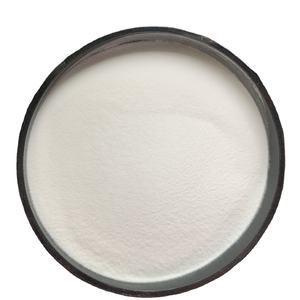
Hidroxipropilmetilcelulosa (HPMC), cuyo nombre chino es hidroxipropilmetilcelulosa, es un semisintético, Éter de celulosa no iónico obtenido modificando químicamente la celulosa natural.. Este polvo blanco puede formar una solución viscosa transparente después de disolverse en agua.. Tiene excelente espesamiento, retención de agua, Estabilidad y propiedades filmógenas.. Es un aditivo multifuncional indispensable en muchos campos como la construcción..
Characteristics and advantages of Cellulose Ether Hydroxypropyl Methyl Cellulose HPMC Used for Tile Over Tile Adhesives
Excelente solubilidad en agua: Se puede disolver rápidamente en agua fría para formar una solución clara y estable..
Capacidad eficiente de espesamiento y retención de agua.: Aumentar la viscosidad del material., reducir eficazmente la evaporación del agua, y mejorar la eficiencia del trabajo.
Buena estabilidad: Tiene buena estabilidad a los ácidos., álcalis, y sales, y es adecuado para una amplia gama de valores de pH.
Efectos filmógenos y protectores.: Después del secado, Forma una película resistente y transparente para proteger el sustrato y evitar la penetración y evaporación del agua..
No tóxico y no irritante: Tiene buena biocompatibilidad y es adecuado para los campos de la medicina y la alimentación..
Ajustabilidad: Cambiando el grado de sustitución y el peso molecular., su rendimiento se puede ajustar para cumplir con diferentes requisitos de aplicación.

Specifications of Cellulose Ether Hydroxypropyl Methyl Cellulose HPMC Used for Tile Over Tile Adhesives
Requirements of Cellulose Ether Hydroxypropyl Methyl Cellulose (HPMC) for Ceramic Tile Over Tile Adhesives
Residencias físicas y químicas secretas
Apariencia: Polvo fluido de color blanco a beige.
Dimensión de la partícula: Travels Through an 80-mesh filter (≥ 98%).
Valor del pH (2% servicio): 6.0– 8.0.
Contenido web sobre humedad: ≤ 5.0%.
Contenido de ceniza: ≤ 1.5%.
Efficiency Characteristics
Viscosidad (2% solución en 20 °C): Fácilmente disponible en múltiples calidades– normalmente 4,000 mPa·s, 15,000 mPa·s, o 40,000 mPa·s– to match different adhesive formulations. Higher viscosity boosts water retention and workability.
Retención de agua: ≥ 90% (examined under common problems). This makes certain correct concrete hydration and strong bond strength, especially on thick or non-absorbent floor tile surfaces.
Temperatura del gel: 58– 62 °C. HPMC remains stable throughout regular application yet gels at elevated temperatures, protecting against droop in vertical applications.
Practical Advantages in Tile Over Ceramic Tile Adhesives
HPMC works as a key additive that boosts the efficiency of tile adhesives applied straight over existing ceramic tiles. It improves open time, providing installers much more functioning flexibility. The polymer develops a consistent movie that improves attachment in between old and brand-new surface areas. It additionally reduces slippage, so floor tiles stay in area without changing. Excellent water retention stops early drying out, which is critical when bonding to low-porosity substratums like glazed ceramic or porcelain floor tiles.
HPMC works with common cementitious systems and various other ingredients made use of in contemporary thin-set mortars. It spreads quickly in water and does not clump when combined correctly. The product satisfies global high quality standards and is without hazardous unstable organic compounds (COV).
Storage space must remain in a trendy, lugar seco lejos de la humedad. Keep containers sealed when not in use to maintain flowability and efficiency. La duración de la vida suele ser 12 meses bajo problemas de almacenamiento correctos.
Applications of Cellulose Ether Hydroxypropyl Methyl Cellulose HPMC Used for Tile Over Tile Adhesives
Why HPMC Is Vital in Tile Over Floor Tile Adhesives
Vínculo más poderoso, Aplicación más sencilla
Hidroxipropilmetilcelulosa (HPMC) plays a crucial function in floor tile over tile adhesives. It assists the adhesive stick far better to both old and brand-new ceramic tiles. Sin HPMC, the mix might dry out too fast or lose grasp before tiles are set.
HPMC maintains water inside the sticky longer. This gives employees even more time to put tiles correctly. The slow drying out additionally means concrete fragments moisten completely. Full hydration brings about a stronger final bond.
Much Better Workability and Consistency
Floor tile over floor tile tasks require smooth, easy-to-spread adhesives. HPMC adds body to the mix. It stops the paste from dripping or moving off vertical surface areas. This is very important when working on walls or unequal floors.
The powder mixes equally with water. It creates a luscious structure that shovels on without swellings. Employees locate it simpler to control thickness and insurance coverage. Much less waste occurs during application.
Protects Against Cracking and Slippage
Old ceramic tiles can be smooth or shiny. That makes bonding hard. HPMC improves bond by forming a slim film that grasps the surface. It also decreases shrinking as the adhesive cures. Less contraction suggests fewer splits gradually.
Floor tiles stay where you put them. They do not move down prior to the sticky sets. This conserves time on changes and repositioning.
Funciones en diversas condiciones
HPMC does well in hot or dry weather. It holds moisture even when evaporation is high. In cool problems, it still permits appropriate treating. This makes the sticky dependable year-round.
Makers count on HPMC because it provides constant results batch after set. Installers get predictable performance every time they open up a bag.
Perfil de la empresa
Somos el líder mundial en soluciones de concreto liviano y espuma de ingeniería avanzada.. Conocida mundialmente por su compromiso con la investigación, innovación, y experiencia aplicada, Hemos estado brindando soluciones de espuma de ingeniería desde principios de 2012..
Podemos suministrar aditivos para hormigón y productos relacionados con hormigón celular de alta calidad en todo el mundo..
La empresa cuenta con un departamento técnico profesional y un departamento de supervisión de calidad., un laboratorio bien equipado, y equipado con equipos de prueba avanzados y centro de servicio al cliente posventa.
Si estas interesado, por favor siéntete libre y contáctanos.
Pago
T/T, Western Union, PayPal, Tarjeta de crédito, etc..
Envío
En avión, por mar, por expreso, como los clientes lo solicitan.
5 FAQs of Cellulose Ether Hydroxypropyl Methyl Cellulose HPMC Used for Tile Over Tile Adhesives
Frequently Asked Questions About HPMC in Tile Over Tile Adhesives
¿Qué es HPMC y por qué se utiliza en adhesivos para baldosas??
HPMC significa hidroxipropilmetilcelulosa. Es un polímero soluble en agua elaborado a partir de celulosa natural.. In tile over tile adhesives, HPMC ayuda a controlar la retención de agua. This lets the cement in the adhesive hydrate properly, which builds strong bonds. It also improves workability so the adhesive spreads easily.
How does HPMC improve adhesion between old and new tiles?
Old tiles are smooth and non-porous. That makes bonding hard. HPMC keeps water in the adhesive longer. This gives the cement more time to react and stick well to both surfaces. Sin HPMC, water would soak out too fast or evaporate, weakening the bond.
¿HPMC afecta el tiempo abierto??
Sí. Open time is how long you can adjust tiles after placing them. HPMC extends this time by slowing down water loss. Workers get more time to position tiles correctly without rushing. This leads to better alignment and fewer mistakes.
¿Puede HPMC prevenir el hundimiento en superficies verticales??
It helps a lot. HPMC adds thickness and structure to the adhesive. This stops it from sliding down walls when you apply heavy tiles. The adhesive stays where you put it, even on vertical or overhead surfaces.
Is HPMC safe and stable in tile adhesives?
HPMC no es tóxico y está ampliamente aprobado para uso en la construcción.. It stays stable in dry mixes and performs well under normal weather conditions. It does not react with other common ingredients like cement or sand. This makes it reliable for everyday use on job sites.
SOLICITAR COTIZACIÓN
PRODUCTOS RELACIONADOS
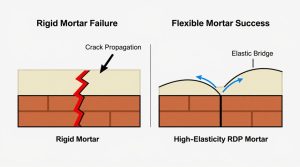
HPMC Construction Grade Hydroxy Propyl Methyl Cellulose HPMC for Cement Tile Adhesive
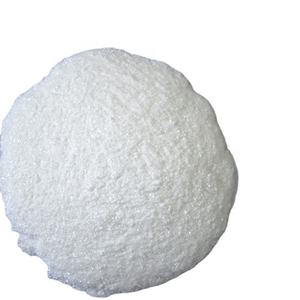
Hydroxypropyl Methyl Cellulose HPMC Powder CAS 9004 65 3
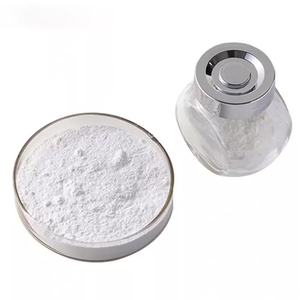
Materiales de construcción que cubren la materia prima HPMC de hidroxipropilmetilcelulosa 200000 25kilos

China Low Hydroxypropyl Methyl Cellulose HPMC
Hydroxypropyl Methyl Cellulose HPMC for Ceramic Tile Adhesive Mortar Putty Ceramic Tile Paste 9004 65 3