


Nā Pākuʻi Paʻa Māmā | Nā ʻĀpana Hoʻohuʻi Kiʻekiʻe no ka Kelepona Kelepona

NA PALAPALA HUA
wehewehe
Overview of Factory Supply Synthetic Rude Twisted Concrete Fiber Polypropylene Fiber Use Concrete
No ke kū'ē kiʻekiʻe, hāʻawi mākou i nā Fiber Steel, kahi mea hoʻololi kūpono no ka uwea welded mesh ma nā papahele ʻoihana a me nā mea hoʻolei mua. Hāʻawi pū mākou i nā Structural Synthetic Fibers kūikawā e hāʻawi ana i ka ikaika tensile kiʻekiʻe no nā noi noi.. Hoʻopuehu like ʻia kēia mau fiber i loko o ka hui ʻana, ka hoʻokumu ʻana i kahi pūnaewele hoʻoikaika nui i hiki ʻole ke hoʻokō i nā ʻano kuʻuna. Hoʻomaʻamaʻa kēia ʻano hoʻohui i ke kūkulu ʻana, hoʻokē hoʻokomo, a hoʻonui i ka pono holoʻokoʻa a me ka lōʻihi o ka lāʻau, hāʻawi ʻana i kahi pane hou i nā pilikia o ka wā kahiko a me ka lōʻihi.
Features of Factory Supply Synthetic Rude Twisted Concrete Fiber Polypropylene Fiber Use Concrete
1. ʻOi aku ka mana o ka māwae a me ka hoʻoikaika ʻana i ka lōʻihi:
ʻO ka hiʻohiʻona nui o kā mākou fibers ko lākou hiki ke hoʻopaʻa i nā micro-cracks ʻelua i hana ʻia i ka wā o ke kūlana plastik a me nā māwae nui aʻe i loko o ke koʻa paʻa.. Hoʻokumu kēia dispersion ʻekolu-dimensional i kahi matrix cohesive ʻoi aku ka pale ʻana i ka hoʻolaha ʻana. ʻO ka pōmaikaʻi pololei, he hōʻemi nui ia i ka ʻāʻī ʻana o ka plastic a me ka laula māwae lōʻihi. Ke alakaʻi nei kēia i ka ʻoi aku ka lōʻihi o ke koʻikoʻi me ka haʻahaʻa haʻahaʻa, ʻo ia ka mea e hoʻonui ai i ke kū'ē i ka wai komo, pōʻino hoʻoheheʻe, a me ka palahu o kekahi kila i hookomoia. ʻO ka hopena he hale me ka lōʻihi o ke ola lawelawe a hoʻemi ʻia nā kumukūʻai mālama.
2. Hoʻonui i ka hopena a me ka pale ʻana i ka abrasion:
Nā pulu, ʻoi aku ke kila a me nā fiber macro synthetic ikaika, hoʻomaikaʻi maikaʻi i ka paʻakikī o ke kaʻa a me ka hana ma hope o ka haki. Lawe lākou a puʻunaue i ka ikehu ma ka hopena a i ʻole ka hoʻouka ʻana. Hāʻawi kēia hiʻohiʻona i ka pōmaikaʻi o kahi ʻili kūpaʻa ʻoi aku ka liʻiliʻi o ka spalling, ʻokiʻoki, a me ka abrasion ma lalo o ke kaʻa nui a i ʻole ka lole mīkini. He waiwai koʻikoʻi kēia no nā papahele ʻoihana, hale kūʻai pavements, a me nā papahana hoʻolālā, e alakaʻi ana i kahi ʻili paʻakikī e mālama i kona kūpaʻa i ka manawa.
3. ʻO ka maikaʻi o ke kūkulu ʻana a me ka mālama kālā:
ʻO kahi hiʻohiʻona nui o ka hoʻohana ʻana i ka fiber reinforcement ʻo ka hoʻopau ʻana i ka uwea welded mesh (WWF) i nā noi he nui. Hāʻawi kēia i nā pōmaikaʻi nui ma ka pūnaewele: maʻalahi ka hoʻokomo, no ka mea, ʻaʻohe mesh e hoʻonohonoho ʻia a hiki ke hoʻoneʻe ʻia, a hoʻokēʻai i ke kaʻina hana holoʻokoʻa. Ma ka wehe ʻana i kahi hana koʻikoʻi, ʻike nā papahana i ka hōʻemi ʻana i nā kumukūʻai hana a me ka wikiwiki o ka manawa papahana. ʻO ka hāʻawi like ʻana o nā fibers e hōʻoiaʻiʻo i ka hoʻoikaika paʻa ʻana ma ka ʻāpana koneki holoʻokoʻa, like ole mesh, hiki ke waiho pono ole ia, alakaʻi i ka hana hilinaʻi a wānana.

Specification of Factory Supply Synthetic Rude Twisted Concrete Fiber Polypropylene Fiber Use Concrete
Manufacturing Facility Supply Synthetic Rude Twisted Concrete Fiber– Polypropylene Fiber for Concrete
Mea Hoʻolauna
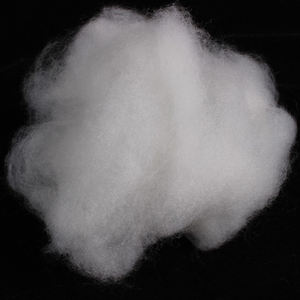
Our synthetic discourteous twisted concrete fiber is made from 100% polypropylene It is specially developed to enhance the performance of concrete and mortar mixes. This fiber works well in both property and industrial construction jobs.
Nā hiʻohiʻona hoʻopunipuni
The fiber has a twisted, harsh surface area. This form helps it bond snugly with concrete. No laila, the concrete comes to be stronger and more sturdy. The fibers are uniformly distributed throughout the mix. They aid regulate cracking triggered by drying shrinkage and temperature changes.
This polypropylene fiber withstands alkali, kemika, a me ka wai. It will not rust or wear away like steel fibers. That makes it excellent for long-term use in wet or harsh atmospheres. The material is additionally light-weight and simple to manage during blending.
Nā Kūlana ʻenehana
– Huahana : Polypropylene wahine.
– Ka lōʻihi : 6 mm, 12 mm, 19 mm (custom-made sizes available).
– Anawaena : Roughly 30– 50 microns.
– Paʻa Paʻa : ≥ 400 MPa.
– Mea Hoolulu : A puni 165 ° C.
– kalakala : Light off-white or white.
– Hoʻopili huahana : 1 kg bags or 20 kg mass bags.
Nā noi
Utilize this fiber in concrete slabs, alanui alanui, nā mea hana mua, pana pana, stucco, a me nā mea hoʻopili tile seramika. It appropriates for commercial floors, nā ala kaʻa, nā ala hele wāwae, a me nā ʻili o ka pā lalo. Builders commonly include it to lower plastic contraction cracks during early curing stages.
Nā kuhikuhi hoʻohana
Include the fiber straight into the concrete mixer throughout batching. Hoʻohui no ka liʻiliʻi o 3– 5 mins to guarantee even diffusion. Typical dose varieties from 0.6 i 1.0 kg no ka mita kubiko o ke koki. Always comply with local building codes and project specifications.

Applications of Factory Supply Synthetic Rude Twisted Concrete Fiber Polypropylene Fiber Use Concrete
Factory-Supply Synthetic Twisted Concrete Fiber– Constructed for Strength
He aha ia
This item is a synthetic polypropylene fiber made for use in concrete. The fibers are twisted, which assists them hold better inside the concrete mix. They come directly from the manufacturing facility, so you obtain regular high quality every time.
Kahi i hoʻohana ʻia ai
Builders include these fibers to concrete for many sorts of jobs. You’ll locate them in walkways, nā ala kaʻa, a me nā papahele hale kaʻa. They work well in industrial slabs, stockroom floorings, and parking area as well. Professionals likewise utilize them in shotcrete, nā panela precast, a me nā pā hale.
No ke aha e hana ai
The twisted shape of the fiber offers it a strong hold in wet concrete. This stops small fractures from developing as the concrete dries. Me ka manawa, it likewise assists control fracturing from contraction or temperature modifications. Hoʻolaha like nā fiber ma o ka hui ʻana, so the entire piece improves toughness.
Real Advantages on Site
Using this fiber reduces surface splits. That implies fewer fixings later on. It additionally increases influence resistance– so the concrete handles hefty loads and sudden hits much better. Employees do not require extra actions or devices. Just mix the fibers into the batch like normal. No mesh or rebar substitute is needed, yet it functions great along with them.
hilinaʻi i ka hana
These polypropylene fibers withstand water, kemika, a popopo. They will not rust like steel fibers can. That makes them risk-free for exterior tasks and damp areas. Due to the fact that they’re light-weight and very easy to manage, teams conserve time during pours. A no hoi, the manufacturing facility supply means stable supply and reasonable prices for huge or tiny orders.
Choose this twisted polypropylene fiber when you desire basic blending, hopena ikaika, and resilient concrete.
ʻO ka moʻolelo o ka hui
ʻO mākou ke alakaʻi o ka honua i nā ʻenehana māmā a me nā hoʻonā ʻenehana i hana ʻia. ʻIke ʻia ma ka honua holoʻokoʻa no kāna kūpaʻa i ka noiʻi, mea hou, a me ka ʻike noiʻi, ke hāʻawi nei mākou i nā hoʻonā ʻenehana i hana ʻia mai ka makahiki 2012.
Hiki iā mākou ke hāʻawi aku i ka hoʻohui ʻana i nā mea hoʻohui kiʻekiʻe kiʻekiʻe a me nā huahana pili i ka foam concrete a puni ka honua.
He keʻena ʻenehana ʻoihana a me ka ʻoihana kiaʻi maikaʻi ka hui, he hale hana i hoolako pono ia, a hoʻolako ʻia me nā lako hoʻāʻo kiʻekiʻe a me ke kikowaena lawelawe mea kūʻai aku ma hope o ke kūʻai aku.
Inā hoihoi ʻoe, e ʻoluʻolu a e hoʻokaʻaʻike mai iā mākou.
Uku
T/T, Hui Komohana, Paypal, Kāleka ʻaiʻē etc.
Hoʻouna
Ma ka lewa, ma ke kai, ma ka hoike, e like me ke noi a nā mea kūʻai aku.
5 FAQs of Factory Supply Synthetic Rude Twisted Concrete Fiber Polypropylene Fiber Use Concrete
Nīnau pinepine
What is synthetic twisted concrete fiber?
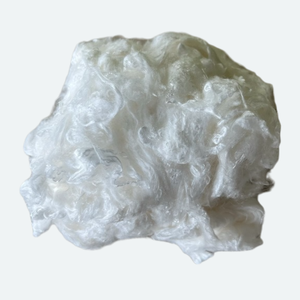
Synthetic twisted concrete fiber is made from polypropylene. It is used to strengthen concrete. The fiber has a twisted shape. This helps it hold better inside the concrete mix.
Why use polypropylene fiber in concrete?
Polypropylene fiber reduces cracks in concrete. It improves toughness and impact resistance. The fiber also helps control shrinkage during drying. This makes the final product last longer and perform better.
How much fiber should I add to concrete?
ʻO ka nui maʻamau 0.6 i 1.0 kg no ka mita kubiko o ke koki. Always follow the project specifications. ʻAʻole hiki ke kōkua i ka liʻiliʻi o ka fiber. Hiki ke paʻakikī ka hui ʻana i ka nui.
Can I mix this fiber with other additives?
ʻAe, hiki iā ʻoe. Polypropylene fiber works well with most common concrete additives. These include water reducers, nā mea komo ea, a me nā superplasticizers. Just check compatibility before full-scale use.
Is this fiber easy to mix into concrete?
ʻAe. The twisted design helps the fiber spread evenly. Add it during the normal mixing process. Hoʻohui no ka liʻiliʻi 3 i 5 minutes after adding. This ensures full dispersion and best results.
NOI I KA PALAPALA
NA HUAKAI PILI

ʻO Fibra De Vidrio Uhpc Paʻa i hoʻoikaika ʻia ʻo E Glass Fiber no ke kūkulu hale
ʻO ka PP Fiber Cement Polypropylene Reinforcing Concrete Fiber Additive Polypropylene Fiber
Concrete reinforcement Synthetic waved macro fibers High dispersion monofilament Polypropylene PP fibres from s

High Strength Composite GFRP Rebar Fiberglass Rebar Glass Fiber Reinforced Rebar
New Building Material Basalt Fiber Reinforcement Mesh for Strengthen Concrete
