Lub teeb pob zeb Additives | High-Performance Foaming Agents rau Cellular Concrete


PRODUCT PRAMETERS
Kev piav qhia
Introduction to Hydroxypropyl Methyl Cellulose HPMC E5 E15 E50 E4000 for Coating
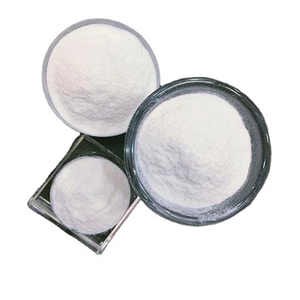
Hydroxypropyl Methylcellulose (HPMC), nws lub npe Suav yog hydroxypropyl methylcellulose, yog semi-synthetic, non-ionic cellulose ether tau los ntawm chemically modifying natural cellulose. Cov hmoov dawb no tuaj yeem tsim cov kua nplaum pob tshab tom qab yaj hauv dej. Nws muaj cov thickening zoo heev, tuav dej, stability thiab film-forming zog. Nws yog ib qho indispensable multifunctional additive nyob rau hauv ntau lub teb xws li kev tsim kho.
Characteristics and advantages of Hydroxypropyl Methyl Cellulose HPMC E5 E15 E50 E4000 for Coating
Solubility dej zoo heev: Nws tuaj yeem yaj sai sai hauv dej txias kom tsim tau cov tshuaj ntshiab thiab ruaj khov.
Ua kom tuab tuab thiab muaj peev xwm tuav dej: Ua kom cov viscosity ntawm cov khoom, zoo txo cov dej evaporation, thiab txhim kho kev ua haujlwm zoo.
Zoo stability: Nws muaj kev ruaj ntseg zoo rau acids, alkalis, thiab ntsev, thiab yog haum rau ntau yam ntawm cov nqi pH.
Zaj duab xis-tsim thiab tiv thaiv teebmeem: Tom qab ziab, nws tsim ib zaj duab xis tawv thiab pob tshab los tiv thaiv substrate thiab tiv thaiv dej nkag thiab evaporation.
Non-toxic thiab non-irritating: Nws muaj biocompatibility zoo thiab tsim nyog rau thaj chaw tshuaj thiab zaub mov.
Kho tau: Los ntawm kev hloov cov degree ntawm kev hloov pauv thiab qhov hnyav molecular, nws qhov kev ua tau zoo tuaj yeem hloov kho kom tau raws li qhov kev thov sib txawv.

Specifications of Hydroxypropyl Methyl Cellulose HPMC E5 E15 E50 E4000 for Coating
Hydroxypropyl Methyl Cellulose (HPMC) Grades for Finish Applications
Txheej txheem cej luam
Hydroxypropyl Methyl Cellulose, los yog HPMC, is an essential ingredient in many covering systems. It functions well in both water-based and solvent-based solutions. The grades E5, E15, E50, and E4000 use different performance degrees to meet details demands.
Trick Requirements
Thickness: Each quality has a distinct viscosity range gauged in millipascal-seconds (mPa · s). E5 reveals low viscosity (txog 5 mPa · s), making it optimal for thin films and fast-drying finishes. E15 deals medium-low thickness (~ 15 mPa · s), offering far better film strength without slowing drying time too much. E50 offers tool viscosity (~ 50 mPa · s )for improved leveling and attachment. E4000 provides high thickness (~ 4,000 mPa · s), which aids manage sagging on upright surfaces and boosts suspension of pigments.
Solubility: All four qualities liquify conveniently in chilly water. They do not liquify in warm water over their gelation point (feem ntau 50– 90 ° C, depending on alternative).
pH kev ruaj ntseg: HPMC remains steady in a pH range of 3 rau 11. This makes it compatible with most common covering additives and binders.
Kev ntshiab: These qualities fulfill rigorous high quality requirements. They have really low levels of ash, hefty metals, and microbial pollutants. This makes sure constant performance and safety and security in end products.
Regular Makes use of
E5 and E15 are usually made use of in sprayable coatings, primers, and clear finishes where low thickness matters. E50 suits interior paints and distinctive layers that require smooth application. E4000 is picked for thick-film coverings, mastics, and exterior paints where anti-sag properties are vital.
Manufacturers rely upon these HPMC qualities to boost workability, tuav dej, thiab tsim zaj duab xis. Each product is carefully tested to make sure batch-to-batch integrity and performance under real-world conditions.

Applications of Hydroxypropyl Methyl Cellulose HPMC E5 E15 E50 E4000 for Coating
Kev siv ntawm Hydroxypropyl Methyl Cellulose (HPMC) Qualities E5, E15, E50, and E4000 in Coating
Why HPMC Matters in Coatings
Hydroxypropyl methyl cellulose (HPMC) is a vital ingredient in several finishing products. It assists manage just how thick the liquid is, keeps solid particles from settling, and makes the last movie smooth and solid. Different grades– E5, E15, E50, and E4000– are picked based upon the task they need to do.
Grade E5: Light-Duty Usage
E5 has low viscosity. It works well in slim finishes where you require easy flow and fast drying. This quality prevails in indoor paints and guides. It offers just adequate density without slowing down application.
Grade E15: Balanced Performance
E15 offers medium thickness. It suits general-purpose coatings utilized inside and outdoors. This quality boosts water retention, which helps the layer stick better to walls. It likewise decreases splattering throughout spraying or rolling.
Quality E50: Heavy-Duty Movie Formation
E50 gives greater viscosity. It is ideal for distinctive surfaces and thicker paints. This quality develops a more powerful film that withstands fracturing. Professionals typically choose E50 for stucco, plasters, and fixing mortars that need additional body.
Quality E4000: Maximum Density and Security
E4000 supplies really high viscosity. It is utilized when you need lasting suspension of hefty fillers or pigments. This quality maintains mixes stable with time and avoids drooping on vertical surfaces. It is common in specialized commercial coatings and ceramic tile adhesives.
All these HPMC qualities are water-soluble, non-ionic, and compatible with many typical paint active ingredients. They additionally assist manage drying out speed, which matters in warm or completely dry weather. By choosing the ideal quality, formulators get regular outcomes batch after set.
Tuam txhab Profile
Peb yog cov thawj coj thoob ntiaj teb hauv cov pob zeb sib sib zog nqus thiab cov txheej txheem tsim ua npuas ncauj zoo heev. Paub thoob ntiaj teb rau nws txoj kev mob siab rau kev tshawb fawb, kev tsim kho tshiab, thiab siv kev txawj ntse, peb tau muab engineered ua npuas ncauj kev daws teeb meem txij li thaum ntxov 2012's.
Peb tuaj yeem muab cov khoom siv zoo tshaj plaws thiab cov khoom ua npuas ncauj ua ke thoob plaws ntiaj teb.
Lub tuam txhab muaj cov kws tshaj lij kev ua haujlwm thiab kev saib xyuas zoo, ib lub chaw kuaj mob zoo, thiab nruab nrog cov cuab yeej ntsuas qib siab thiab tom qab-muag kev pabcuam cov neeg siv khoom.
Yog koj txaus siab, thov koj xav tias dawb thiab tiv tauj peb.
Kev them nyiaj
T/T, Western Union, Paypal, Credit Card thiab lwm yam.
Kev xa khoom
Los ntawm huab cua, ntawm hiav txwv, los ntawm kev nthuav qhia, raws li cov neeg siv khoom thov.

5 FAQs of Hydroxypropyl Methyl Cellulose HPMC E5 E15 E50 E4000 for Coating
Frequently Asked Questions About HPMC E5, E15, E50, and E4000 for Coating
What is HPMC used for in coatings?
HPMC (Hydroxypropyl Methyl Cellulose) acts as a thickener, daim ntawv khi, and water retention agent in coating products. It helps the coating stick better to surfaces. It also stops water from drying too fast. This gives workers more time to apply the coating smoothly.
How do E5, E15, E50, and E4000 differ?
These numbers show the viscosity of each grade. E5 has very low viscosity. It mixes easily into liquids. E15 and E50 offer medium thickness. They work well in paints and plasters. E4000 is very thick. It is used when strong water retention or high film strength is needed.
Is HPMC safe for use in building materials?
Yog lawm. HPMC yog non-toxic thiab dav pom zoo rau kev tsim kho. Nws tsis tso cov pa phem. It also resists mold and bacteria. This makes it safe for indoor and outdoor applications.
How much HPMC should I add to my coating mix?
The right amount depends on your product type and performance needs. Most formulas use between 0.1% thiab 0.5% los ntawm qhov hnyav. Pib nrog ib qho kev sim me me. Adjust the dose based on how the mix flows and sticks.
Can HPMC improve workability in dry-mix mortars?
Yog lawm. Adding HPMC to dry-mix mortars boosts water retention. Qhov no pab cement hydrate tag nrho. Nws kuj ua rau kev sib tov smoother thiab yooj yim rau kev sib kis. Workers get better control during troweling or spraying. The final surface becomes more even and strong.
THOV QHIA
QHOV CHAW UA HAUJ LWM

Hot Best mecellose hpmc chemical 200000 hpmc ua

HydroxyPropyl Methyl Cellulose HPMC industrial grade Chemical Raw Material for Cement Thickening

Hydroxypropyl Methyl Cellulose HPMC Hmoov CAS 9004 65 3

Hydroxypropyl Methyl Cellulose 200000 Cps High Viscosity Building Material HPMC Powder for Construction Cement Mortar
Detergent grade HPMC 9004-65-3 Hydroxypropyl methyl cellulose