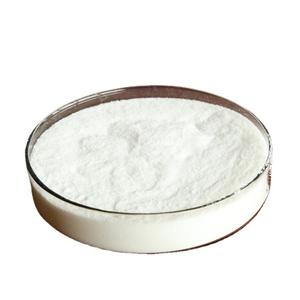
Nga Whakapiri Raima Maamaa | Nga Kaipupuhi Hukarere Mahinga Nui mo te Raima Pukoro


NGA TAATA HUA
Whakaahuatanga
Introduction to Hydroxypropyl Methyl Cellulose HPMC E5 E15 E50 E4000 for Coating
Hydroxypropyl Methylcellulose (HPMC), ko tona ingoa Hainamana ko te hydroxypropyl methylcellulose, he mea hangarua, Ko te etera cellulose kore katote i whiwhi ma te whakarereke matū i te cellulose taiao. Ka taea e tenei paura ma te hanga i te wairewa maamaa marama i muri i te rewa ki te wai. He tino pai te matotoru, pupuri wai, pūmautanga me ngā āhuatanga hanga kiriata. He taapiri taapiri tino nui i roto i nga waahanga maha penei i te hanga.
Characteristics and advantages of Hydroxypropyl Methyl Cellulose HPMC E5 E15 E50 E4000 for Coating
Te wairewa tino pai: Ka tere te memeha i roto i te wai matao kia puta he otinga maamaa me te pumau.
Te kaha ki te whakamaroke me te pupuri wai: Whakanuia te viscosity o te rauemi, pai te whakaiti i te whakaetonga wai, me te whakapai ake i te pai o te mahi.
He pai te pumau: He pai te pumau ki nga waikawa, kawakore, me nga tote, a he pai mo te whānuitanga o nga uara pH.
Te hanga kiriata me nga paanga whakamarumaru: I muri i te whakamaroke, hanga he kiriata uaua me te marama ki te tiaki i te tïpako me te aukati i te kuhu o te wai me te whakaetonga.
Kore paitini me te kore whakapouri: He pai te koiora me te pai mo nga mara rongoa me te kai.
Te whakatikatika: Ma te huri i te tohu whakakapinga me te taumaha ngota, ka taea te whakatika i tana mahi ki te whakatutuki i nga whakaritenga tono rereke.

Specifications of Hydroxypropyl Methyl Cellulose HPMC E5 E15 E50 E4000 for Coating
Hydroxypropyl Methyl Cellulose (HPMC) Grades for Finish Applications
Tirohanga
Hydroxypropyl Methyl Cellulose, HPMC ranei, is an essential ingredient in many covering systems. It functions well in both water-based and solvent-based solutions. The grades E5, E15, E50, and E4000 use different performance degrees to meet details demands.
Nga whakaritenga tinihanga
Te matotoru: Each quality has a distinct viscosity range gauged in millipascal-seconds (mPa · s). E5 reveals low viscosity (mō 5 mPa · s), making it optimal for thin films and fast-drying finishes. E15 deals medium-low thickness (~ 15 mPa · s), offering far better film strength without slowing drying time too much. E50 offers tool viscosity (~ 50 mPa · s )for improved leveling and attachment. E4000 provides high thickness (~ 4,000 mPa · s), which aids manage sagging on upright surfaces and boosts suspension of pigments.
Wairewa: All four qualities liquify conveniently in chilly water. They do not liquify in warm water over their gelation point (noa 50– 90 ° C, depending on alternative).
pH Security: HPMC remains steady in a pH range of 3 ki 11. This makes it compatible with most common covering additives and binders.
Te parakore: These qualities fulfill rigorous high quality requirements. They have really low levels of ash, hefty metals, and microbial pollutants. This makes sure constant performance and safety and security in end products.
Ka whakamahi i nga wa katoa
E5 and E15 are usually made use of in sprayable coatings, tuatahi, and clear finishes where low thickness matters. E50 suits interior paints and distinctive layers that require smooth application. E4000 is picked for thick-film coverings, mastics, and exterior paints where anti-sag properties are vital.
Manufacturers rely upon these HPMC qualities to boost workability, pupuri wai, me te hanga kiriata. Each product is carefully tested to make sure batch-to-batch integrity and performance under real-world conditions.

Applications of Hydroxypropyl Methyl Cellulose HPMC E5 E15 E50 E4000 for Coating
Nga tono mo te Hydroxypropyl Methyl Cellulose (HPMC) Qualities E5, E15, E50, and E4000 in Coating
Why HPMC Matters in Coatings
Hydroxypropyl methyl cellulose (HPMC) is a vital ingredient in several finishing products. It assists manage just how thick the liquid is, keeps solid particles from settling, and makes the last movie smooth and solid. Different grades– E5, E15, E50, and E4000– are picked based upon the task they need to do.
Grade E5: Light-Duty Usage
E5 has low viscosity. It works well in slim finishes where you require easy flow and fast drying. This quality prevails in indoor paints and guides. It offers just adequate density without slowing down application.
Grade E15: Balanced Performance
E15 offers medium thickness. It suits general-purpose coatings utilized inside and outdoors. This quality boosts water retention, which helps the layer stick better to walls. It likewise decreases splattering throughout spraying or rolling.
Quality E50: Heavy-Duty Movie Formation
E50 gives greater viscosity. It is ideal for distinctive surfaces and thicker paints. This quality develops a more powerful film that withstands fracturing. Professionals typically choose E50 for stucco, raima, and fixing mortars that need additional body.
Quality E4000: Maximum Density and Security
E4000 supplies really high viscosity. It is utilized when you need lasting suspension of hefty fillers or pigments. This quality maintains mixes stable with time and avoids drooping on vertical surfaces. It is common in specialized commercial coatings and ceramic tile adhesives.
All these HPMC qualities are water-soluble, non-ionic, and compatible with many typical paint active ingredients. They additionally assist manage drying out speed, which matters in warm or completely dry weather. By choosing the ideal quality, formulators get regular outcomes batch after set.
Kōtaha Kamupene
Ko matou te kaihautu o te ao mo nga raima maamaa me nga otinga pahuka i hangaia. E mohiotia ana puta noa i te ao mo tana pono ki te rangahau, auahatanga, me te tohungatanga tono, kua whakaratohia e matou he otinga pahuka i hangaia mai i te timatanga o te tau 2012.
Ka taea e matou te whakarato i te whakauru raima kounga teitei me nga hua e pa ana ki te raima pahuka puta noa i te ao.
Ko te kamupene he tari hangarau ngaio me te tari tirotiro kounga, he taiwhanga pai rawa atu, me nga taputapu whakamatautau matatau me te pokapū ratonga kaihoko muri-hoko.
Mena kei te hiahia koe, tēnā koa whakapā mai ki a mātou.
Utu
T/T, Western Union, Paypal, Kaari nama etc.
Tukunga
Ma te hau, ma te moana, mā te whakapuaki, kia rite ki te tono a nga kaihoko.

5 FAQs of Hydroxypropyl Methyl Cellulose HPMC E5 E15 E50 E4000 for Coating
Frequently Asked Questions About HPMC E5, E15, E50, and E4000 for Coating
What is HPMC used for in coatings?
HPMC (Hydroxypropyl Methyl Cellulose) acts as a thickener, here, and water retention agent in coating products. It helps the coating stick better to surfaces. It also stops water from drying too fast. This gives workers more time to apply the coating smoothly.
How do E5, E15, E50, and E4000 differ?
These numbers show the viscosity of each grade. E5 has very low viscosity. It mixes easily into liquids. E15 and E50 offer medium thickness. They work well in paints and plasters. E4000 is very thick. It is used when strong water retention or high film strength is needed.
Is HPMC safe for use in building materials?
Ae. Ko te HPMC he kore paitini me te whakaae whanui mo te hanga. Kare e tuku i te hau kino. Ka ātete hoki i te pokepokea ai me te huakita. This makes it safe for indoor and outdoor applications.
How much HPMC should I add to my coating mix?
Ko te rahinga tika kei runga i to momo hua me nga hiahia mahi. Ko te nuinga o nga tauira e whakamahi ana i waenga 0.1% a 0.5% ma te taumaha. Tīmatahia me te kohinga whakamatautau iti. Adjust the dose based on how the mix flows and sticks.
Can HPMC improve workability in dry-mix mortars?
Ae. Adding HPMC to dry-mix mortars boosts water retention. Ka awhina tenei i te ciment ki te whakamakuku katoa. He mea whakaene, he ngawari hoki te horahanga o te ranunga. Workers get better control during troweling or spraying. The final surface becomes more even and strong.
TONO HE KORERO
HUA HUA

Hydroxypropyl Methyl Cellulose HPMC 200000 Te Painga Matotoru Teitei
Hydroxypropyl Methyl Cellulose HPMC 200000 Looking for Agent Distributor
Kounga High Cellulose Ether Hydroxypropyl Methyl Cellulose HPMC Whakamahia i roto i te raima raima

Hpmc Kounga Pai Hou Katoa Mo te Kaihoko Whakaene Maenei Korowaiha Mai Tika

DEREKCHEM Methyl Cellulose Etera HPMC mo te Mapu moata HPMC AF3310