


Nga Whakapiri Raima Maamaa | Nga Kaipupuhi Hukarere Mahinga Nui mo te Raima Pukoro

NGA TAATA HUA
Whakaahuatanga
Introduction to Construction Chemical Hydroxypropyl Methyl Cellulose HPMC for Tile Adhesive
Hydroxypropyl Methylcellulose (HPMC), ko tona ingoa Hainamana ko te hydroxypropyl methylcellulose, he mea hangarua, Ko te etera cellulose kore katote i whiwhi ma te whakarereke matū i te cellulose taiao. Ka taea e tenei paura ma te hanga i te wairewa maamaa marama i muri i te rewa ki te wai. He tino pai te matotoru, pupuri wai, pūmautanga me ngā āhuatanga hanga kiriata. He taapiri taapiri tino nui i roto i nga waahanga maha penei i te hanga.
Characteristics and advantages of Construction Chemical Hydroxypropyl Methyl Cellulose HPMC for Tile Adhesive
Te wairewa tino pai: Ka tere te memeha i roto i te wai matao kia puta he otinga maamaa me te pumau.
Te kaha ki te whakamaroke me te pupuri wai: Whakanuia te viscosity o te rauemi, pai te whakaiti i te whakaetonga wai, me te whakapai ake i te pai o te mahi.
He pai te pumau: He pai te pumau ki nga waikawa, kawakore, me nga tote, a he pai mo te whānuitanga o nga uara pH.
Te hanga kiriata me nga paanga whakamarumaru: I muri i te whakamaroke, hanga he kiriata uaua me te marama ki te tiaki i te tïpako me te aukati i te kuhu o te wai me te whakaetonga.
Kore paitini me te kore whakapouri: He pai te koiora me te pai mo nga mara rongoa me te kai.
Te whakatikatika: Ma te huri i te tohu whakakapinga me te taumaha ngota, ka taea te whakatika i tana mahi ki te whakatutuki i nga whakaritenga tono rereke.

Specifications of Construction Chemical Hydroxypropyl Methyl Cellulose HPMC for Tile Adhesive
Specifications of Construction Chemical Hydroxypropyl Methyl Cellulose (HPMC) mo te Tile Adhesive
Ngā Āhuatanga Matua
Hydroxypropyl Methyl Cellulose (HPMC) is a high-performance additive widely used in tile adhesives. Ka pai ake te mahi, pupuri wai, me te wa tuwhera. This white to off-white powder dissolves easily in cold water and forms a clear, otinga viscous.
The product offers excellent water retention. Ko te pai o te pupuri i te wai ka awhina i te sima kia tino whakamakuku. This leads to stronger bond strength between tiles and substrates. HPMC also prevents sagging on vertical surfaces. Tiles stay in place without sliding down during installation.
Whakatakotoranga Hangarau
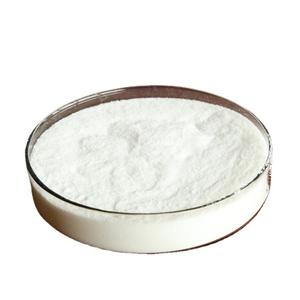
– Te ahua: White or slightly yellowish free-flowing powder
– Te rahi o te matūriki: 98% passes through an 80-mesh sieve
– Te ihirangi methoxyl: 19–24%
– Te ihirangi Hydroxypropyl: 4–12%
– Poneke (2% otinga, 20°C): 400–100,000 mPa·s (customizable based on application needs)
– uara pH (2% otinga): 7.0–9.0
– Te ihirangi makuku: ≤5%
– ihirangi pungarehu: ≤5%
Benefits in Tile Adhesive Formulations
HPMC boosts the performance of tile adhesives in many ways. It increases slip resistance so tiles do not move after placement. Ka whakawhānuihia te wa tuwhera, giving installers more working time. The additive also enhances adhesion to various surfaces like concrete, rakau, and old tiles.
This chemical remains stable across a wide temperature range. It performs well in both summer heat and winter cold. HPMC does not support microbial growth, which helps maintain product shelf life.
Manufacturers can adjust HPMC grades to meet specific project demands. Whether for thin-set mortars or large-format tile installations, the right HPMC grade ensures reliable results every time.

Applications of Construction Chemical Hydroxypropyl Methyl Cellulose HPMC for Tile Adhesive
Why HPMC Matters in Tile Adhesive
He Pai ake te Mahi me te Maeneene Taumahi
Hydroxypropyl Methyl Cellulose (HPMC) makes tile adhesive easier to mix and spread. Workers find it smoother to trowel onto walls or floors. The paste stays consistent without lumps or dry spots. This helps cover large areas quickly and evenly.
Stronger Hold from the Start
HPMC slows down how fast water leaves the adhesive. This gives more time for tiles to bond well with the surface underneath. Early adhesion improves, so tiles stay in place right after setting. There’s less risk of sliding or shifting before the adhesive fully cures.
Keeps Water Where It’s Needed
Cement-based adhesives need water to harden properly. HPMC holds onto that water, even on porous or hot surfaces. This stops the mix from drying too soon. Ko te mutunga, the final bond becomes stronger and more reliable.
Fewer Cracks, Better Finish
Because HPMC controls water loss and improves flexibility, the dried adhesive resists cracking. This is especially important in areas with temperature changes or slight movement. A crack-free layer means longer-lasting tile installations and cleaner grout lines.
Stable Performance in Real Conditions
HPMC works well in different weather and on many types of substrates—concrete, raima, taera tawhito, or backer boards. It keeps the adhesive stable during storage and use. Batches stay uniform, so every job feels predictable and professional.
Builders and contractors choose HPMC because it solves everyday problems on site. It cuts down waste, saves time, and reduces callbacks for repairs. With HPMC in the mix, tile adhesive performs like it should—every time.
Kōtaha Kamupene
Ko matou te kaihautu o te ao mo nga raima maamaa me nga otinga pahuka i hangaia. E mohiotia ana puta noa i te ao mo tana pono ki te rangahau, auahatanga, me te tohungatanga tono, kua whakaratohia e matou he otinga pahuka i hangaia mai i te timatanga o te tau 2012.
Ka taea e matou te whakarato i te whakauru raima kounga teitei me nga hua e pa ana ki te raima pahuka puta noa i te ao.
Ko te kamupene he tari hangarau ngaio me te tari tirotiro kounga, he taiwhanga pai rawa atu, me nga taputapu whakamatautau matatau me te pokapū ratonga kaihoko muri-hoko.
Mena kei te hiahia koe, tēnā koa whakapā mai ki a mātou.
Utu
T/T, Western Union, Paypal, Kaari nama etc.
Tukunga
Ma te hau, ma te moana, mā te whakapuaki, kia rite ki te tono a nga kaihoko.
5 FAQs of Construction Chemical Hydroxypropyl Methyl Cellulose HPMC for Tile Adhesive
Frequently Asked Questions About HPMC in Tile Adhesive
He aha te HPMC me te aha i whakamahia ai i roto i te whakapiri tira?
Ko te HPMC te tu mo Hydroxypropyl Methyl Cellulose. He polymer wairewa-wai i hangaia mai i te cellulose taiao. I roto i te whakapiri tira, HPMC helps the mix stay workable longer. It also improves adhesion and stops tiles from sliding after placement.
How does HPMC affect the workability of tile adhesive?
HPMC increases the viscosity of the wet mix. This makes the adhesive easier to spread with a trowel. Ka noho roa te wai i roto i te ranunga, which gives installers more time to adjust tiles before the adhesive sets.
Does HPMC improve bond strength?
Ae. HPMC helps the adhesive stick better to both the wall and the tile. It forms a thin film that holds materials together. Ma tenei ka kaha ake, more reliable bonds over time.
Can HPMC prevent tiles from sagging on vertical surfaces?
Tino. One key role of HPMC is anti-sag performance. It gives the adhesive enough body to hold heavy tiles in place on walls without slipping. This is especially important for large-format or dense tiles.
Is HPMC compatible with other additives in tile adhesive?
HPMC works well with most common additives like redispersible polymer powders, māngaro ethers, me te sima. Heoi ano, always test the final mix for performance. Some combinations may need adjustment to keep the right balance of open time, kaha, me te kaha mahi.
TONO HE KORERO
HUA HUA

Hydroxypropyl methylcellulose HPMC/ mo te whakapiri tira uku / mota / putty / whakapiri tira uku 9004-65-3

High Viscosity Hydroxypropyl Methyl Cellulose HPMC Thickener mo te Paera Putty Paura

Hydroxypropyl Methyl Cellulose HPMC Used for Skim Coat and Wall Putty

He Puata Pai KelloCel Hydroxypropyl Methyl Cellulose HPMC Cellulose Ether mo te Peera Whakangongo PVC teitei me nga paninga
Best CAS 9004-65-3 Hydroxypropyl Methyl Cellulose HPMC paura
