Mea Faaopoopo Sima Mama | Su'esu'e Foa'e maualuga mo le Sima Cellular

FA'AVAE FA'AVAE
Fa'amatalaga
Introduction to Construction Chemical Hydroxypropyl Methyl Cellulose HPMC for Tile Adhesive
Hydroxypropyl Methylcellulose (HPMC), o lona igoa Saina o le hydroxypropyl methylcellulose, ose semi-synthetic, non-ionic cellulose ether maua e ala i kemikolo suia cellulose natura. O lenei pa'epa'e pa'epa'e e mafai ona fausia ai se vaifofo viscous manino pe'a uma ona fa'amavae i le vai. E sili ona mafiafia, taofi vai, mautu ma mea e fai ata tifaga. O se faʻaopoopoga multifunctional taua tele i le tele o matata e pei o le fausiaina.
Characteristics and advantages of Construction Chemical Hydroxypropyl Methyl Cellulose HPMC for Tile Adhesive
Lelei soluble vai: E mafai ona vave fa'amavae i le vai malulu e fai ai se vaifofo manino ma mautu.
Lelei mafiafia ma le gafatia vai: Faʻateleina le viscosity o mea, fa'aitiitia lelei le fa'asao o le vai, ma faaleleia atili galuega.
Lelei mautu: E lelei le mautu i acids, alkalis, ma masima, ma e talafeagai mo le tele o tulaga o le pH.
Aafiaga o le faia o ata tifaga ma le puipuiga: A uma ona fa'agogo, e fausia ai se ata tifaga faigata ma manino e puipuia ai le substrate ma puipuia le ulu o le vai ma fa'asao.
E le oona ma e le fa'aita: E iai le biocompatibility lelei ma e talafeagai mo fanua o vailaʻau ma meaʻai.
Fetuuna'i: E ala i le suia o le tikeri o le suitulaga ma le mamafa mole, e mafai ona fetuutuunai lona faatinoga e ausia manaoga eseese talosaga.

Specifications of Construction Chemical Hydroxypropyl Methyl Cellulose HPMC for Tile Adhesive
Fa'amatalaga o le Fausiaina o Vailaau Fa'asaina Hydroxypropyl Methyl Cellulose (HPMC) mo Tile Fa'apipi'i
Meatotino Autu
Hydroxypropyl Methyl Cellulose (HPMC) is a high-performance additive widely used in tile adhesives. E fa'aleleia ai galuega, taofi vai, ma taimi tatala. This white to off-white powder dissolves easily in cold water and forms a clear, fofo viscous.
The product offers excellent water retention. Good water retention helps cement hydrate fully. This leads to stronger bond strength between tiles and substrates. HPMC also prevents sagging on vertical surfaces. Tiles stay in place without sliding down during installation.
Fa'amatalaga Fa'apitoa
– Fa'aaliga: White or slightly yellowish free-flowing powder
– Lapopo'a o vaega: 98% e ui atu i se sieve 80-mesh
– Methoxyl anotusi: 19–24%
– Hydroxypropyl anotusi: 4–12%
– Viscosity (2% fofo, 20°C): 400–100,000 mPa·s (customizable based on application needs)
– pH tau (2% fofo): 7.0–9.0
– Susū i totonu: ≤5%
– mea efuefu: ≤5%
Benefits in Tile Adhesive Formulations
HPMC boosts the performance of tile adhesives in many ways. It increases slip resistance so tiles do not move after placement. It extends open time, giving installers more working time. The additive also enhances adhesion to various surfaces like concrete, fafie, ma tile tuai.
This chemical remains stable across a wide temperature range. It performs well in both summer heat and winter cold. HPMC does not support microbial growth, which helps maintain product shelf life.
Manufacturers can adjust HPMC grades to meet specific project demands. Whether for thin-set mortars or large-format tile installations, the right HPMC grade ensures reliable results every time.

Applications of Construction Chemical Hydroxypropyl Methyl Cellulose HPMC for Tile Adhesive
Why HPMC Matters in Tile Adhesive
Lelei sili atu le faʻaogaina ma le faʻaogaina lelei
Hydroxypropyl Methyl Cellulose (HPMC) makes tile adhesive easier to mix and spread. Workers find it smoother to trowel onto walls or floors. The paste stays consistent without lumps or dry spots. This helps cover large areas quickly and evenly.
Stronger Hold from the Start
HPMC slows down how fast water leaves the adhesive. This gives more time for tiles to bond well with the surface underneath. Early adhesion improves, so tiles stay in place right after setting. There’s less risk of sliding or shifting before the adhesive fully cures.
Taofi Suavai i Mea e Manaomia
Cement-based adhesives need water to harden properly. HPMC holds onto that water, even on porous or hot surfaces. This stops the mix from drying too soon. O le faaiuga, the final bond becomes stronger and more reliable.
Fewer Cracks, Better Finish
Because HPMC controls water loss and improves flexibility, the dried adhesive resists cracking. This is especially important in areas with temperature changes or slight movement. A crack-free layer means longer-lasting tile installations and cleaner grout lines.
Stable Performance in Real Conditions
HPMC works well in different weather and on many types of substrates—concrete, sima, ta'ele tuai, or backer boards. It keeps the adhesive stable during storage and use. Batches stay uniform, so every job feels predictable and professional.
Builders and contractors choose HPMC because it solves everyday problems on site. It cuts down waste, faasaoina le taimi, and reduces callbacks for repairs. With HPMC in the mix, tile adhesive performs like it should—every time.
Fa'amatalaga a le Kamupani
O matou o le ta'ita'i o le lalolagi i fofo mama mama ma fa'ainisinia foam fofo. Ua lauiloa i le lalolagi atoa mo lana tautinoga i suʻesuʻega, mea fou, ma fa'aoga tomai, ua matou tuʻuina atu fofo faʻainisinia foam talu mai le amataga o le 2012.
E mafai ona matou tu'uina atu mea fa'afefiloi sima maualuga ma oloa fa'atatau i sima foam i le lalolagi atoa.
O loʻo i ai i le kamupani se matagaluega faʻapitoa faʻapolofesa ma le mataʻituina lelei o le matagaluega, se falesuesue ua saunia lelei, ma faʻapipiʻiina i masini suʻesuʻe faʻapitoa ma le faʻatau atu o tagata faʻatau auaunaga.
Afai e te fiafia, faamolemole lagona le saoloto ma faafesootai matou.
Totogi
T/T, Western Union, Paypal, Credit Card etc.
utaina
E ala i le ea, i le sami, e ala i le faailoa atu, e pei ona talosagaina e tagata faatau.
5 FAQs of Construction Chemical Hydroxypropyl Methyl Cellulose HPMC for Tile Adhesive
Frequently Asked Questions About HPMC in Tile Adhesive
O le a le HPMC ma pe aisea e faʻaaogaina ai i le faʻapipiʻi tile?
HPMC e tu mo Hydroxypropyl Methyl Cellulose. O se polymer solu vai e faia mai le cellulose masani. I le fa'apipi'i ta'ele, HPMC helps the mix stay workable longer. E fa'aleleia ai fo'i le pipi'i ma taofia le ta'a'ese'ese pe a uma ona tu'u.
How does HPMC affect the workability of tile adhesive?
HPMC increases the viscosity of the wet mix. This makes the adhesive easier to spread with a trowel. E fa'atumauina ai fo'i le vai i totonu o le fa'afefiloi mo se taimi umi, which gives installers more time to adjust tiles before the adhesive sets.
Does HPMC improve bond strength?
Ioe. HPMC helps the adhesive stick better to both the wall and the tile. It forms a thin film that holds materials together. O lenei mea e tau atu i le malosi, more reliable bonds over time.
Can HPMC prevent tiles from sagging on vertical surfaces?
E matua'i. One key role of HPMC is anti-sag performance. It gives the adhesive enough body to hold heavy tiles in place on walls without slipping. This is especially important for large-format or dense tiles.
Is HPMC compatible with other additives in tile adhesive?
HPMC works well with most common additives like redispersible polymer powders, masoa eteru, ma sima. Peitai, always test the final mix for performance. Some combinations may need adjustment to keep the right balance of open time, malosi, ma le mafai ona galue.
TALOSAGA O SE FAI
O MEA E FAI AI
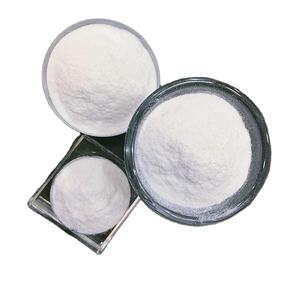
o Food Grade Hydroxypropyl Methyl Cellulose HPMC E5 Falegaosimea
Hight Quality Hpmc High Viscosity Mo Suavai Detergent ma Fofo manino Falegaosi Sapalai Hydroxy Propyl Methyl Cellulose

Fausia vaila'au Hydroxypropyl methyl cellulose HPMC mo le fa'apipi'i sima

Mea Fa'amauina le Suavai Pa'u Mago Fa'afefiloi Omea Sima Kelu Hugestone Hydroxypropyl Methyl Cellulose HPMC Chemical Auxiliary Agent
Ufiufi Auxiliary Agents Hydroxypropyl Methyl Cellulose HPMC ma Carboxymethyl Starch CMS Alamanuia Vasega