


Lejè aditif konkrè | Ajan kimen wo-pèfòmans pou konkrè selilè

PARAMÈT PWODWI
Deskripsyon
Introduction to Construction Chemical Hydroxypropyl Methyl Cellulose HPMC for Tile Adhesive
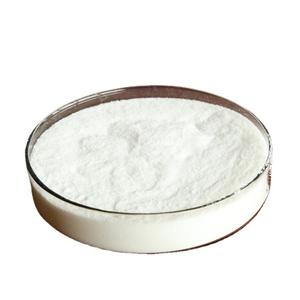
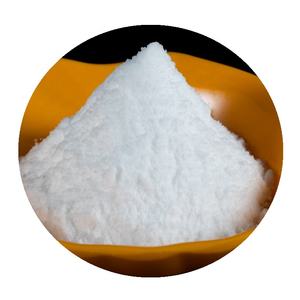
Hydroxypropyl Methylcellulose (HPMC), ki gen non Chinwa se hydroxypropyl methylcellulose, se yon semi-sentetik, etè seluloz ki pa iyonik ki te jwenn nan modifye chimik seluloz natirèl. Poud blan sa a ka fòme yon solisyon gluan transparan apre li fin fonn nan dlo. Li gen ekselan epesman, retansyon dlo, estabilite ak pwopriyete fim-fòme. Li se yon aditif multifonksyonèl endispansab nan anpil jaden tankou konstriksyon.
Characteristics and advantages of Construction Chemical Hydroxypropyl Methyl Cellulose HPMC for Tile Adhesive
Ekselan solubilite dlo: Li ka byen vit fonn nan dlo frèt pou fòme yon solisyon klè ak ki estab.
Epesman efikas ak kapasite retansyon dlo: Ogmante viskozite materyèl la, efektivman redwi evaporasyon dlo, ak amelyore efikasite travay.
Bon estabilite: Li gen bon estabilite nan asid, alkali, ak sèl, epi li apwopriye pou yon pakèt valè pH.
Efè fim-fòme ak pwoteksyon: Apre siye, li fòme yon fim difisil ak transparan pou pwoteje substra a epi anpeche pénétration dlo ak evaporasyon.
Ki pa toksik ak ki pa irite: Li gen bon biocompatibility epi li apwopriye pou jaden medikaman ak manje.
Ajistebilite: Lè w chanje degre sibstitisyon ak pwa molekilè, pèfòmans li yo ka ajiste pou satisfè kondisyon aplikasyon diferan.

Specifications of Construction Chemical Hydroxypropyl Methyl Cellulose HPMC for Tile Adhesive
Specifications of Construction Chemical Hydroxypropyl Methyl Cellulose (HPMC) pou adezif mozayik
Key Properties
Hydroxypropyl Methyl Cellulose (HPMC) is a high-performance additive widely used in tile adhesives. Li amelyore travayabilite, retansyon dlo, ak tan louvri. This white to off-white powder dissolves easily in cold water and forms a clear, solisyon gluan.
The product offers excellent water retention. Good water retention helps cement hydrate fully. This leads to stronger bond strength between tiles and substrates. HPMC also prevents sagging on vertical surfaces. Tiles stay in place without sliding down during installation.
Espesifikasyon teknik
– Aparans: White or slightly yellowish free-flowing powder
– Gwosè patikil: 98% passes through an 80-mesh sieve
– Kontni metoksil: 19-24%
– Kontni Hydroxypropyl: 4-12%
– Viskozite (2% solisyon, 20°C): 400–100,000 mPa·s (customizable based on application needs)
– valè pH (2% solisyon): 7.0–9.0
– Kontni imidite: ≤5%
– Sann kontni: ≤5%
Benefits in Tile Adhesive Formulations
HPMC boosts the performance of tile adhesives in many ways. It increases slip resistance so tiles do not move after placement. Li pwolonje tan louvri, giving installers more working time. The additive also enhances adhesion to various surfaces like concrete, bwa, ak mozayik fin vye granmoun.
This chemical remains stable across a wide temperature range. It performs well in both summer heat and winter cold. HPMC does not support microbial growth, which helps maintain product shelf life.
Manufacturers can adjust HPMC grades to meet specific project demands. Whether for thin-set mortars or large-format tile installations, the right HPMC grade ensures reliable results every time.

Applications of Construction Chemical Hydroxypropyl Methyl Cellulose HPMC for Tile Adhesive
Why HPMC Matters in Tile Adhesive
Pi bon travayabilite ak aplikasyon lis
Hydroxypropyl Methyl Cellulose (HPMC) makes tile adhesive easier to mix and spread. Workers find it smoother to trowel onto walls or floors. The paste stays consistent without lumps or dry spots. This helps cover large areas quickly and evenly.
Stronger Hold from the Start
HPMC slows down how fast water leaves the adhesive. This gives more time for tiles to bond well with the surface underneath. Early adhesion improves, so tiles stay in place right after setting. There’s less risk of sliding or shifting before the adhesive fully cures.
Keeps Water Where It’s Needed
Cement-based adhesives need water to harden properly. HPMC holds onto that water, even on porous or hot surfaces. This stops the mix from drying too soon. Kòm yon rezilta, the final bond becomes stronger and more reliable.
Fewer Cracks, Better Finish
Because HPMC controls water loss and improves flexibility, the dried adhesive resists cracking. This is especially important in areas with temperature changes or slight movement. A crack-free layer means longer-lasting tile installations and cleaner grout lines.
Stable Performance in Real Conditions
HPMC works well in different weather and on many types of substrates—concrete, lacho, vye mozayik, or backer boards. It keeps the adhesive stable during storage and use. Batches stay uniform, so every job feels predictable and professional.
Builders and contractors choose HPMC because it solves everyday problems on site. It cuts down waste, saves time, and reduces callbacks for repairs. With HPMC in the mix, tile adhesive performs like it should—every time.
Konpayi Profile
Nou se lidè mondyal nan konkrè ki lejè ak solisyon avanse kim enjenieri. Li te ye globalman pou angajman li nan rechèch, inovasyon, ak ekspètiz aplike, nou te bay solisyon kim enjenyè depi kòmansman ane 2012 la.
Nou ka bay bon jan kalite melanj konkrè ak pwodwi ki gen rapò ak konkrè kim nan tout mond lan.
Konpayi an gen yon depatman teknik pwofesyonèl ak depatman sipèvizyon kalite, yon laboratwa byen ekipe, ak ekipe ak ekipman tès avanse ak sant sèvis kliyan apre-lavant.
Si w enterese, tanpri ou lib epi kontakte nou.
Peman
T/T, Western Union, Paypal, Kat kredi elatriye.
chajman
Pa lè, pa lanmè, pa eksprime, jan kliyan mande.
5 FAQs of Construction Chemical Hydroxypropyl Methyl Cellulose HPMC for Tile Adhesive
Frequently Asked Questions About HPMC in Tile Adhesive
Ki sa ki HPMC ak poukisa li itilize nan adezif mozayik?
HPMC la vle di Hydroxypropyl Methyl Cellulose. It is a water-soluble polymer made from natural cellulose. Nan adezif mozayik, HPMC helps the mix stay workable longer. It also improves adhesion and stops tiles from sliding after placement.
How does HPMC affect the workability of tile adhesive?
HPMC increases the viscosity of the wet mix. This makes the adhesive easier to spread with a trowel. It also keeps water in the mix longer, which gives installers more time to adjust tiles before the adhesive sets.
Does HPMC improve bond strength?
Wi. HPMC helps the adhesive stick better to both the wall and the tile. It forms a thin film that holds materials together. Sa a mennen nan pi fò, more reliable bonds over time.
Can HPMC prevent tiles from sagging on vertical surfaces?
Absoliman. One key role of HPMC is anti-sag performance. It gives the adhesive enough body to hold heavy tiles in place on walls without slipping. This is especially important for large-format or dense tiles.
Is HPMC compatible with other additives in tile adhesive?
HPMC works well with most common additives like redispersible polymer powders, etè lanmidon, ak siman. Sepandan, always test the final mix for performance. Some combinations may need adjustment to keep the right balance of open time, fòs, ak travayabilite.
DEMANDE YON PREVO
PWODWI ki gen rapò
Factory Direct s Cellulosic Hydroxypropyl Methyl Cellulose HPMC 200000 pou Pakistan Market Low

Hydroxypropyl Methyl Cellulose HPMC PVA PCE RDP VAE Powder PP Fib pou mastike mi mòtye lyan mozayik adezif jips

Industrial Grade Hydroxypropyl Methyl Cellulose HPMC Powder for Detergent
Pwodwi Kalite Hydroxypropyl Methyl Cellulose HPMC Abòdab solisyon pou mozayik adezif seramik mozayik adezif
HPMC chemicals powder coating paint dry mixed mortar raw materials Hpmc Powder