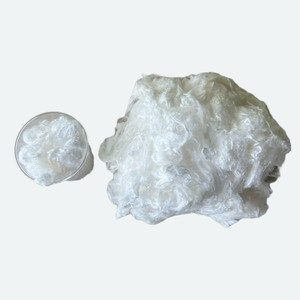
Ihe mgbakwunye ihe dị fechaa | Ndị na-ahụ maka ụfụfụ na-arụ ọrụ dị elu maka ihe nhịahụ cellular

PRAMETERS ngwaahịa
Nkọwa
Introduction to Construction Chemical Hydroxypropyl Methyl Cellulose HPMC for Tile Adhesive
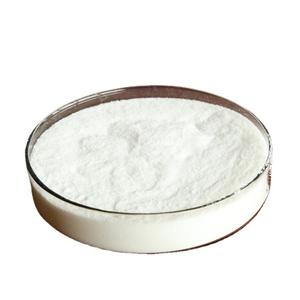
Hydroxypropyl Methylcellulose (HPMC), onye aha Chinese bụ hydroxypropyl methylcellulose, bụ ọkara sịntetik, ether cellulose na-abụghị ionic nwetara site na-agbanwe cellulose eke ekemịkal. Nke a na-acha ọcha ntụ ntụ nwere ike na-etolite a transperent viscous ngwọta mgbe igbari na mmiri. Ọ nwere ezigbo thickening, njide mmiri, nkwụsi ike na ihe ndị na-emepụta ihe nkiri. Ọ bụ ihe mgbakwunye multifunctional dị mkpa n'ọtụtụ mpaghara dị ka ihe owuwu.
Characteristics and advantages of Construction Chemical Hydroxypropyl Methyl Cellulose HPMC for Tile Adhesive
Ezigbo solubility mmiri: Enwere ike ịgbaze ya ngwa ngwa na mmiri oyi iji mepụta ngwọta doro anya ma kwụsie ike.
Ikike ịgbara mmiri nke ọma na njigide mmiri: Mụbaa viscosity nke ihe, nke ọma belata evaporation mmiri, ma melite arụmọrụ ọrụ.
Nkwụsi ike dị mma: Ọ nwere ezigbo nkwụsi ike na acids, alkalis, na nnu, ma dabara adaba maka ọnụọgụ pH dị iche iche.
Ịmepụta ihe nkiri na mmetụta nchebe: Mgbe ihicha, ọ na-emepụta ihe nkiri siri ike na nke na-ekpuchi anya iji chebe mkpụrụ ahụ ma gbochie ntinye mmiri na evaporation.
Ndị na-adịghị egbu egbu na ndị na-adịghị ewe iwe: Ọ nwere ezigbo biocompatibility ma dabara maka mpaghara ọgwụ na nri.
Ngbanwe: Site n'ịgbanwe ogo nke nnọchi na ịdị arọ molekụla, Enwere ike imezi arụmọrụ ya iji zute ngwa ngwa dị iche iche.

Specifications of Construction Chemical Hydroxypropyl Methyl Cellulose HPMC for Tile Adhesive
Specifications of Construction Chemical Hydroxypropyl Methyl Cellulose (HPMC) maka Tile Adhesive
Njirimara igodo
Hydroxypropyl Methyl Cellulose (HPMC) is a high-performance additive widely used in tile adhesives. Ọ na-eme ka arụ ọrụ dịkwuo mma, njide mmiri, na oghe oge. This white to off-white powder dissolves easily in cold water and forms a clear, ngwọta viscous.
The product offers excellent water retention. Good water retention helps cement hydrate fully. This leads to stronger bond strength between tiles and substrates. HPMC also prevents sagging on vertical surfaces. Tiles stay in place without sliding down during installation.
Nkọwa nka nka
– Ọdịdị: White or slightly yellowish free-flowing powder
– Nha urughuru: 98% na-agafe sieve 80-mesh
– Methoxyl ọdịnaya: 19-24%
– Hydroxypropyl ọdịnaya: 4-12%
– Viscosity (2% ngwọta, 20Celsius C): 400–100,000 mPa·s (customizable based on application needs)
– uru pH (2% ngwọta): 7.0-9.0
– Ọdịnaya nke mmiri: ≤5%
– ntụ ọdịnaya: ≤5%
Benefits in Tile Adhesive Formulations
HPMC boosts the performance of tile adhesives in many ways. It increases slip resistance so tiles do not move after placement. Ọ na-agbatị oge oghe, giving installers more working time. The additive also enhances adhesion to various surfaces like concrete, osisi, and old tiles.
This chemical remains stable across a wide temperature range. It performs well in both summer heat and winter cold. HPMC anaghị akwado uto microbial, which helps maintain product shelf life.
Manufacturers can adjust HPMC grades to meet specific project demands. Whether for thin-set mortars or large-format tile installations, the right HPMC grade ensures reliable results every time.

Applications of Construction Chemical Hydroxypropyl Methyl Cellulose HPMC for Tile Adhesive
Why HPMC Matters in Tile Adhesive
Ịrụ ọrụ ka mma yana ngwa dị nro
Hydroxypropyl Methyl Cellulose (HPMC) makes tile adhesive easier to mix and spread. Workers find it smoother to trowel onto walls or floors. The paste stays consistent without lumps or dry spots. This helps cover large areas quickly and evenly.
Stronger Hold from the Start
HPMC slows down how fast water leaves the adhesive. This gives more time for tiles to bond well with the surface underneath. Early adhesion improves, so tiles stay in place right after setting. There’s less risk of sliding or shifting before the adhesive fully cures.
Keeps Water Where It’s Needed
Cement-based adhesives need water to harden properly. HPMC holds onto that water, even on porous or hot surfaces. This stops the mix from drying too soon. N'ihi ya, the final bond becomes stronger and more reliable.
Fewer Cracks, Better Finish
Because HPMC controls water loss and improves flexibility, the dried adhesive resists cracking. This is especially important in areas with temperature changes or slight movement. A crack-free layer means longer-lasting tile installations and cleaner grout lines.
Stable Performance in Real Conditions
HPMC works well in different weather and on many types of substrates—concrete, plasta, ochie taịl nile, or backer boards. It keeps the adhesive stable during storage and use. Batches stay uniform, so every job feels predictable and professional.
Builders and contractors choose HPMC because it solves everyday problems on site. It cuts down waste, saves time, and reduces callbacks for repairs. With HPMC in the mix, tile adhesive performs like it should—every time.
Nkọwapụta Ụlọ ọrụ
Anyị bụ ndị ndu zuru ụwa ọnụ na ngwọta ụfụfụ dị fechaa na nke dị elu. Amara ụwa niile maka ntinye aka ya na nyocha, ihe ọhụrụ, na etinyere nka nka, anyị na-enye ihe ngwọta ụfụfụ emepụtara kemgbe mmalite 2012.
Anyị nwere ike na-enye elu-edu ihe admixture na ụfụfụ ihe metụtara ngwaahịa n'ụwa nile.
Ụlọ ọrụ ahụ nwere ngalaba ọkachamara ọkachamara na ngalaba nlekọta àgwà, ụlọ nyocha nke ọma, na kwadebere na elu ule akụrụngwa na mgbe-sales ahịa ọrụ center.
Ọ bụrụ na ị nwere mmasị, biko nweere onwe gị ma kpọtụrụ anyị.
Ịkwụ ụgwọ
T/T, Western Union, Paypal, Kaadị kredit wdg.
Mbupu
Site n'ikuku, site n'oké osimiri, site na nkwuwa okwu, dị ka ndị ahịa na-arịọ.
5 FAQs of Construction Chemical Hydroxypropyl Methyl Cellulose HPMC for Tile Adhesive
Ajụjụ ndị a na-ajụkarị gbasara HPMC na nrapado tile
Kedu ihe bụ HPMC na gịnị kpatara eji ya na nrapado tile?
HPMC na-anọchi anya Hydroxypropyl Methyl Cellulose. Ọ bụ polymer soluble mmiri nke sitere na cellulose eke. Na tile nrapado, HPMC helps the mix stay workable longer. It also improves adhesion and stops tiles from sliding after placement.
How does HPMC affect the workability of tile adhesive?
HPMC increases the viscosity of the wet mix. This makes the adhesive easier to spread with a trowel. Ọ na-edobekwa mmiri na ngwakọta ogologo oge, which gives installers more time to adjust tiles before the adhesive sets.
Does HPMC improve bond strength?
Ee. HPMC helps the adhesive stick better to both the wall and the tile. It forms a thin film that holds materials together. Nke a na-eduga n'ike, more reliable bonds over time.
Can HPMC prevent tiles from sagging on vertical surfaces?
Kpamkpam. One key role of HPMC is anti-sag performance. It gives the adhesive enough body to hold heavy tiles in place on walls without slipping. This is especially important for large-format or dense tiles.
Is HPMC compatible with other additives in tile adhesive?
HPMC works well with most common additives like redispersible polymer powders, starch ether, na simenti. Agbanyeghị, always test the final mix for performance. Some combinations may need adjustment to keep the right balance of open time, ike, na arụ ọrụ.
RỊỌRỌ OKWU
Ngwaahịa ndị metụtara
Hydroxypropyl Methyl Cellulose HPMC for Cement Industrial Grade 200000

Chemicals Raw Materials Thickener Detergent Cosmetic Grade Dish Soap Good Hydroxypropyl Methyl Cellulose HPMC
Ọdịmma Hydroxypropyl Methyl Cellulose HPMC Chemical 200000 Hypromellose maka Wall Putty

Hydroxypropyl Methyl Cellulose HPMC Chemical Cellulose Ether maka Cement Tile Adhesive Thickener

hpmc fiyat ntụ ntụ tile adhesives ịchọ mma ọkwa