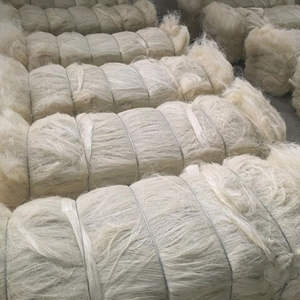
Lejè aditif konkrè | Ajan kimen wo-pèfòmans pou konkrè selilè

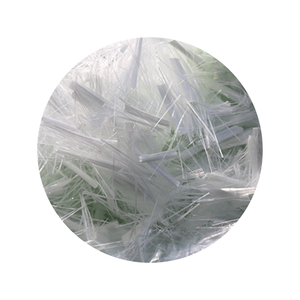
PARAMÈT PWODWI
Deskripsyon
Overview of Concrete Reinforcement Synthetic Polymer Concrete Fiber Polypropylene PP Fibers
Pou rezistans gwo enpak, nou ofri Steel Fibres, yon ranplasman ideyal pou may fil soude nan planche endistriyèl ak eleman pre-jete. Nou menm tou nou bay espesyalize Fib Sentetik estriktirèl ki ofri gwo fòs rupture pou aplikasyon pou mande. Fib sa yo gaye inifòm nan tout melanj konkrè a, kreye yon rezo ranfòsman milti-dimansyon ke metòd tradisyonèl pa ka reyalize. Apwòch entegre sa a senplifye konstriksyon, akselere plasman, epi amelyore entegrite jeneral ak lonjevite beton an, bay yon repons modèn nan defi ki gen laj fann ak durability.
Features of Concrete Reinforcement Synthetic Polymer Concrete Fiber Polypropylene PP Fibers
1. Siperyè kontwòl krak ak rezistans amelyore:
Karakteristik prensipal nan fib nou yo se kapasite yo nan pon tou de mikwo-fant ki fòme pandan eta a plastik ak pi gwo fant nan konkrè ki di.. Dispèsyon twa dimansyon sa a kreye yon matris plis limenm ki reziste pwopagasyon krak. Benefis dirèk la se yon rediksyon enpòtan nan tou de fann plastik kontraksyon ak lajè krak alontèm. Sa a mennen nan yon pi plis dirab beton ak pi ba pèmeyabilite, ki an vire amelyore rezistans nan antre dlo, domaj friz-degel, ak korozyon nan nenpòt asye entegre. Rezilta a se yon estrikti ki gen yon lavi sèvis ki pi long ak pri antretyen redwi.
2. Ogmantasyon enpak ak rezistans abrasion:
Fib, patikilyèman asye ak gaya fib makro sentetik, amelyore dramatikman severite beton an ak pèfòmans apre krak la. Yo absòbe ak distribye enèji sou enpak oswa chaje. Karakteristik sa a bay benefis nan yon sifas ki pi fleksib ki gen mwens tandans fè eklatman, chipping, ak fwotman anba trafik lou oswa mete mekanik. Sa a se yon avantaj kritik pou planche endistriyèl, pavaj depo, ak pwojè enfrastrikti, ki mennen ale nan yon sifas ki pi difisil-mete ki kenbe entegrite li sou tan.
3. Konstriksyon Efikasite ak Pri Ekonomi:
Yon karakteristik kle nan sèvi ak ranfòsman fib se eliminasyon an nan may fil soude (WWF) nan anpil aplikasyon. Sa a bay benefis imans sou plas: li senplifye plasman, kòm pa gen okenn may yo dwe mete kanpe oswa potansyèlman deplase, epi li akselere tout pwosesis konstriksyon an. Lè w retire yon etap ki entansif travay, pwojè yo wè depans travay redwi ak delè pwojè yo pi rapid. Distribisyon inifòm nan fib tou asire ranfòsman konsistan nan tout seksyon an konkrè, kontrèman ak may, ki ka mal plase, ki mennen nan pèfòmans plis serye ak previzib.

Specification of Concrete Reinforcement Synthetic Polymer Concrete Fiber Polypropylene PP Fibers
Spec of Concrete Reinforcement Synthetic Polymer Concrete Fiber– Polypropylène (PP) Fib
Entwodiksyon pwodwi
Polypropylène (PP) fib are synthetic polymer fibers developed for concrete reinforcement. They mix conveniently right into concrete, mòtye, oswa andui. These fibers aid control cracking triggered by plastic contraction and drying out contraction. They likewise enhance impact resistance and toughness.
Trick Gen ladann
Fib yo te fè soti nan 100% polypropylène jenn fi. They stand up to antacids, asid, and other chemicals located in cementitious settings. Their surface area is dealt with to bond well with the cement matrix. Each fiber has a size in between 6 mm ak 19 mm. The size varies from 18 pou 48 mikron. Tansyon andirans depase 450 MPa. Flexible modulus is around 3.5– 5.0 GPa.
Benefis nan aplikasyon konkrè
When added to fresh concrete, PP fibers distribute evenly. They create a three-dimensional network inside the mix. This network holds the product together throughout early curing phases. It decreases surface fractures and improves communication. Fib yo pa rouye oswa korode. They remain effective over the full service life of the structure.
These fibers enhance durability. They assist concrete absorb energy under unexpected lots. This makes them optimal for commercial floorings, twotwa yo, piki beton, ak eleman prefabrike. They additionally minimize dusting and spalling in slim areas.
Gid pou Itilizasyon
Dòz komen varye ant 0.6 kg/m four to 1.2 kg/m kat, depann sou aplikasyon an. Mix fibers into the concrete during batching. Use standard blending tools– no special devices are required. Ensure full diffusion to stay clear of clumping. Comply with neighborhood building ordinance and task requirements for precise application and placement approaches.
PP fibers fulfill worldwide standards such as ASTM C1116 and EN 14889-2 for synthetic fiber use in concrete. They offer a cost-effective way to improve efficiency without changing basic building techniques.

Applications of Concrete Reinforcement Synthetic Polymer Concrete Fiber Polypropylene PP Fibers
Aplikasyon pou Polypropylène (PP) Synthetic Fibers in Concrete Support
Why Utilize PP Fibers?
Polypropylène (PP) fib are widely used to reinforce concrete. They mix easily right into wet concrete and assist manage breaking. These synthetic fibers do not rust like steel. This makes them ideal for several construction demands.
Komen fè itilizasyon nan konstriksyon
Building contractors include PP fibers to concrete for floorings, antre kay yo, ak chemen. The fibers minimize surface area fractures brought on by drying out and contraction. They likewise boost effect resistance. This serves in locations with heavy foot or vehicle web traffic.
Nan konfigirasyon komèsyal yo, PP fibers support stockroom slabs and. These locations frequently encounter continuous wear. The fibers aid the concrete last longer without significant repair work.
Benefits in Severe Environments
PP fibers function well in damp or harsh conditions. Because they withstand water and chemicals, they match jobs like passages, sousòl, ak kad maren. They also assist in wastewater therapy plants where steel support would wear away with time.
Usage in Shotcrete and Precast Aspects
Contractors utilize PP fibers in shotcrete applications such as slope stablizing and passage cellular linings. The fibers hold the mix with each other during splashing and lower rebound loss. For precast concrete products like pipelines, panno, ak obstrue, PP fibers improve sturdiness and handling toughness before final healing.
Improved Safety And Security and Longevity
Adding PP fibers reduces the risk of sudden concrete failing. The material remains undamaged even after preliminary breaking. This feature issues in safety-critical structures like parking lot and keeping walls. The fibers likewise make concrete extra resistant to freeze-thaw cycles in cool climates.
Anjeneral, polypropylene fibers offer an easy, economical means to improve concrete efficiency throughout lots of real-world applications.
Konpayi Profile
Nou se lidè mondyal nan konkrè ki lejè ak solisyon avanse kim enjenieri. Li te ye globalman pou angajman li nan rechèch, inovasyon, ak ekspètiz aplike, nou te bay solisyon kim enjenyè depi kòmansman ane 2012 la.
Nou ka bay bon jan kalite melanj konkrè ak pwodwi ki gen rapò ak konkrè kim nan tout mond lan.
Konpayi an gen yon depatman teknik pwofesyonèl ak depatman sipèvizyon kalite, yon laboratwa byen ekipe, ak ekipe ak ekipman tès avanse ak sant sèvis kliyan apre-lavant.
Si w enterese, tanpri ou lib epi kontakte nou.
Peman
T/T, Western Union, Paypal, Kat kredi elatriye.
chajman
Pa lè, pa lanmè, pa eksprime, jan kliyan mande.

5 FAQs of Concrete Reinforcement Synthetic Polymer Concrete Fiber Polypropylene PP Fibers
Kesyon yo poze souvan sou fib konkrè polypropylène
Ki sa ki polypropylène (PP) fibers used for in concrete?
PP fibers are added to concrete to control cracking. They help reduce plastic shrinkage cracks that happen when concrete is still wet. These fibers also improve impact resistance and make the concrete more durable over time.
How do PP fibers work inside concrete?
Lè melanje nan beton, PP fibers spread evenly throughout the mix. They form a network that holds the material together. This network blocks tiny cracks from growing larger. The fibers do not replace steel rebar but work alongside it to add extra protection.
Are polypropylene fibers safe for use in construction?
Wi. PP fibers are chemically inert. They do not react with cement or other materials in concrete. Yo reziste imidite, alkali, and most chemicals found on job sites. This makes them safe and reliable for long-term use in buildings, wout, ak lòt estrikti.
Konbyen fib ta dwe ajoute nan beton?
Dòz tipik la se ant 0.6 pou 1.0 kg pou chak mèt kib beton. Exact amounts depend on the project type and performance needs. Toujou swiv enstriksyon manifakti a. Twò piti ka pa ede ase. Twòp ka afekte travayabilite.
Can PP fibers be used in all types of concrete?
Wi. These fibers work well in ready-mix concrete, piki beton, eleman prefabrike, and screeds. They suit both indoor and outdoor applications. Examples include slabs, pave yo, mi yo, ak planche endistriyèl. Make sure the mixing process fully disperses the fibers to avoid clumping.
DEMANDE YON PREVO
PWODWI ki gen rapò
Tout dirab Endistriyèl bilding plat Nerjaveèi konkrè Fib ranfòse materyèl konkrè
Factory direct chopped glass fiber for concrete
Segondè Tanperati Kabòn Konkrè Fib Konkrè Castable Mòtye Refractory Konkrè pou Pati Prefabrike founo
Fiberglass Composite FRP Rebar for Construction on Glass Fiber Reinforced Rod Fiberglass Products
Segondè modil 12k UD konkrè ranfòsman kabòn konkrè Fib twal