


Nā Pākuʻi Paʻa Māmā | Nā ʻĀpana Hoʻohuʻi Kiʻekiʻe no ka Kelepona Kelepona

NA PALAPALA HUA
wehewehe
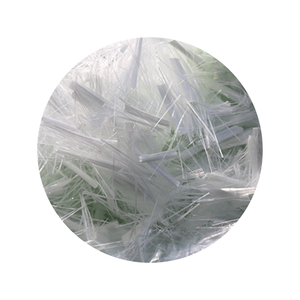
Overview of Concrete Reinforcement Synthetic Polymer Concrete Fiber Polypropylene PP Fibers
No ke kū'ē kiʻekiʻe, hāʻawi mākou i nā Fiber Steel, kahi mea hoʻololi kūpono no ka uwea welded mesh ma nā papahele ʻoihana a me nā mea hoʻolei mua. Hāʻawi pū mākou i nā Structural Synthetic Fibers kūikawā e hāʻawi ana i ka ikaika tensile kiʻekiʻe no nā noi noi.. Hoʻopuehu like ʻia kēia mau fiber i loko o ka hui ʻana, ka hoʻokumu ʻana i kahi pūnaewele hoʻoikaika nui i hiki ʻole ke hoʻokō i nā ʻano kuʻuna. Hoʻomaʻamaʻa kēia ʻano hoʻohui i ke kūkulu ʻana, hoʻokē hoʻokomo, a hoʻonui i ka pono holoʻokoʻa a me ka lōʻihi o ka lāʻau, hāʻawi ʻana i kahi pane hou i nā pilikia o ka wā kahiko a me ka lōʻihi.
Features of Concrete Reinforcement Synthetic Polymer Concrete Fiber Polypropylene PP Fibers
1. ʻOi aku ka mana o ka māwae a me ka hoʻoikaika ʻana i ka lōʻihi:
ʻO ka hiʻohiʻona nui o kā mākou fibers ko lākou hiki ke hoʻopaʻa i nā micro-cracks ʻelua i hana ʻia i ka wā o ke kūlana plastik a me nā māwae nui aʻe i loko o ke koʻa paʻa.. Hoʻokumu kēia dispersion ʻekolu-dimensional i kahi matrix cohesive ʻoi aku ka pale ʻana i ka hoʻolaha ʻana. ʻO ka pōmaikaʻi pololei, he hōʻemi nui ia i ka ʻāʻī ʻana o ka plastic a me ka laula māwae lōʻihi. Ke alakaʻi nei kēia i ka ʻoi aku ka lōʻihi o ke koʻikoʻi me ka haʻahaʻa haʻahaʻa, ʻo ia ka mea e hoʻonui ai i ke kū'ē i ka wai komo, pōʻino hoʻoheheʻe, a me ka palahu o kekahi kila i hookomoia. ʻO ka hopena he hale me ka lōʻihi o ke ola lawelawe a hoʻemi ʻia nā kumukūʻai mālama.
2. Hoʻonui i ka hopena a me ka pale ʻana i ka abrasion:
Nā pulu, ʻoi aku ke kila a me nā fiber macro synthetic ikaika, hoʻomaikaʻi maikaʻi i ka paʻakikī o ke kaʻa a me ka hana ma hope o ka haki. Lawe lākou a puʻunaue i ka ikehu ma ka hopena a i ʻole ka hoʻouka ʻana. Hāʻawi kēia hiʻohiʻona i ka pōmaikaʻi o kahi ʻili kūpaʻa ʻoi aku ka liʻiliʻi o ka spalling, ʻokiʻoki, a me ka abrasion ma lalo o ke kaʻa nui a i ʻole ka lole mīkini. He waiwai koʻikoʻi kēia no nā papahele ʻoihana, hale kūʻai pavements, a me nā papahana hoʻolālā, e alakaʻi ana i kahi ʻili paʻakikī e mālama i kona kūpaʻa i ka manawa.
3. ʻO ka maikaʻi o ke kūkulu ʻana a me ka mālama kālā:
ʻO kahi hiʻohiʻona nui o ka hoʻohana ʻana i ka fiber reinforcement ʻo ka hoʻopau ʻana i ka uwea welded mesh (WWF) i nā noi he nui. Hāʻawi kēia i nā pōmaikaʻi nui ma ka pūnaewele: maʻalahi ka hoʻokomo, no ka mea, ʻaʻohe mesh e hoʻonohonoho ʻia a hiki ke hoʻoneʻe ʻia, a hoʻokēʻai i ke kaʻina hana holoʻokoʻa. Ma ka wehe ʻana i kahi hana koʻikoʻi, ʻike nā papahana i ka hōʻemi ʻana i nā kumukūʻai hana a me ka wikiwiki o ka manawa papahana. ʻO ka hāʻawi like ʻana o nā fibers e hōʻoiaʻiʻo i ka hoʻoikaika paʻa ʻana ma ka ʻāpana koneki holoʻokoʻa, like ole mesh, hiki ke waiho pono ole ia, alakaʻi i ka hana hilinaʻi a wānana.

Specification of Concrete Reinforcement Synthetic Polymer Concrete Fiber Polypropylene PP Fibers
Spec of Concrete Reinforcement Synthetic Polymer Concrete Fiber– Polypropylene (PP) Nā pulu
Hoʻolauna Huahana
Polypropylene (PP) nā pulupulu are synthetic polymer fibers developed for concrete reinforcement. They mix conveniently right into concrete, moka, aiʻole ka hamo. These fibers aid control cracking triggered by plastic contraction and drying out contraction. They likewise enhance impact resistance and toughness.
Hoʻokomo ʻia ka hoʻopunipuni
Hana ʻia nā fiber mai 100% polypropylene puʻupaʻa. They stand up to antacids, nā ʻakika, and other chemicals located in cementitious settings. Their surface area is dealt with to bond well with the cement matrix. Each fiber has a size in between 6 mm a 19 mm. The size varies from 18 i 48 microns. ʻOi aku ka ikaika o ka tensile 450 MPa. Flexible modulus is around 3.5– 5.0 GPa.
Nā Pōmaikaʻi ma nā Hoʻohana Paʻa
When added to fresh concrete, PP fibers distribute evenly. They create a three-dimensional network inside the mix. This network holds the product together throughout early curing phases. It decreases surface fractures and improves communication. ʻAʻole ʻeleʻele a ʻino ʻole nā fibers. They remain effective over the full service life of the structure.
These fibers enhance durability. They assist concrete absorb energy under unexpected lots. This makes them optimal for commercial floorings, alanui alanui, pana pana, a me nā mea hoʻoheheʻe mua. They additionally minimize dusting and spalling in slim areas.
Nā Kūlana Hoʻohana
Loaʻa i ka dosage maʻamau mai 0.6 kg/m four to 1.2 kg/m ʻehā, ma muli o ka noi. Mix fibers into the concrete during batching. Use standard blending tools– ʻaʻole pono nā mea hana kūikawā. Ensure full diffusion to stay clear of clumping. Comply with neighborhood building ordinance and task requirements for precise application and placement approaches.
PP fibers fulfill worldwide standards such as ASTM C1116 and EN 14889-2 for synthetic fiber use in concrete. They offer a cost-effective way to improve efficiency without changing basic building techniques.

Applications of Concrete Reinforcement Synthetic Polymer Concrete Fiber Polypropylene PP Fibers
Applications of Polypropylene (PP) Synthetic Fibers in Concrete Support
Why Utilize PP Fibers?
Polypropylene (PP) nā pulupulu are widely used to reinforce concrete. They mix easily right into wet concrete and assist manage breaking. These synthetic fibers do not rust like steel. This makes them ideal for several construction demands.
Hoʻohana maʻamau i ke kūkulu ʻana
Building contractors include PP fibers to concrete for floorings, nā ala kaʻa, and pathways. The fibers minimize surface area fractures brought on by drying out and contraction. They likewise boost effect resistance. This serves in locations with heavy foot or vehicle web traffic.
In commercial setups, PP fibers support stockroom slabs and. These locations frequently encounter continuous wear. The fibers aid the concrete last longer without significant repair work.
Benefits in Severe Environments
PP fibers function well in damp or harsh conditions. Because they withstand water and chemicals, they match jobs like passages, hale lalo, and marine frameworks. They also assist in wastewater therapy plants where steel support would wear away with time.
Usage in Shotcrete and Precast Aspects
Contractors utilize PP fibers in shotcrete applications such as slope stablizing and passage cellular linings. The fibers hold the mix with each other during splashing and lower rebound loss. For precast concrete products like pipelines, nā panela, a keakea, PP fibers improve sturdiness and handling toughness before final healing.
Improved Safety And Security and Longevity
Adding PP fibers reduces the risk of sudden concrete failing. The material remains undamaged even after preliminary breaking. This feature issues in safety-critical structures like parking lot and keeping walls. The fibers likewise make concrete extra resistant to freeze-thaw cycles in cool climates.
ʻO ka maʻamau, polypropylene fibers offer an easy, economical means to improve concrete efficiency throughout lots of real-world applications.
ʻO ka moʻolelo o ka hui
ʻO mākou ke alakaʻi o ka honua i nā ʻenehana māmā a me nā hoʻonā ʻenehana i hana ʻia. ʻIke ʻia ma ka honua holoʻokoʻa no kāna kūpaʻa i ka noiʻi, mea hou, a me ka ʻike noiʻi, ke hāʻawi nei mākou i nā hoʻonā ʻenehana i hana ʻia mai ka makahiki 2012.
Hiki iā mākou ke hāʻawi aku i ka hoʻohui ʻana i nā mea hoʻohui kiʻekiʻe kiʻekiʻe a me nā huahana pili i ka foam concrete a puni ka honua.
He keʻena ʻenehana ʻoihana a me ka ʻoihana kiaʻi maikaʻi ka hui, he hale hana i hoolako pono ia, a hoʻolako ʻia me nā lako hoʻāʻo kiʻekiʻe a me ke kikowaena lawelawe mea kūʻai aku ma hope o ke kūʻai aku.
Inā hoihoi ʻoe, e ʻoluʻolu a e hoʻokaʻaʻike mai iā mākou.
Uku
T/T, Hui Komohana, Paypal, Kāleka ʻaiʻē etc.
Hoʻouna
Ma ka lewa, ma ke kai, ma ka hoike, e like me ke noi a nā mea kūʻai aku.

5 FAQs of Concrete Reinforcement Synthetic Polymer Concrete Fiber Polypropylene PP Fibers
Frequently Asked Questions About Polypropylene Concrete Fibers
What are polypropylene (PP) fibers used for in concrete?
PP fibers are added to concrete to control cracking. They help reduce plastic shrinkage cracks that happen when concrete is still wet. These fibers also improve impact resistance and make the concrete more durable over time.
How do PP fibers work inside concrete?
I ka hui ʻana i loko o ke kaʻa, PP fibers spread evenly throughout the mix. They form a network that holds the material together. This network blocks tiny cracks from growing larger. The fibers do not replace steel rebar but work alongside it to add extra protection.
Are polypropylene fibers safe for use in construction?
ʻAe. PP fibers are chemically inert. They do not react with cement or other materials in concrete. Kūʻē lākou i ka makū, alkalis, and most chemicals found on job sites. This makes them safe and reliable for long-term use in buildings, alanui, a me nā hale ʻē aʻe.
ʻEhia ka nui o ka fiber e pono e hoʻohui ʻia i ke kaʻa?
The typical dosage is between 0.6 i 1.0 kg no ka mita kubiko o ke koki. Exact amounts depend on the project type and performance needs. E hahai mau i nā ʻōlelo a ka mea hana. ʻAʻole hiki ke kōkua i ka liʻiliʻi. Too much can affect workability.
Can PP fibers be used in all types of concrete?
ʻAe. These fibers work well in ready-mix concrete, pana pana, nā mea hana mua, and screeds. They suit both indoor and outdoor applications. Examples include slabs, nā paepae, pā, a me nā papahele ʻoihana. Make sure the mixing process fully disperses the fibers to avoid clumping.
NOI I KA PALAPALA
NA HUAKAI PILI

Factory High Strength 12mm Length PP Concrete Fiber Polypropylene Fiber Using for Concrete Reinforced
Hot Lower 19mm Concrete PP Polypropylene Staple Concrete Fiber from Factory
HWZK Top ing PP Concrete Fiber Stable Fiber me ka maikaʻi a me ka maikaʻi loa

Polypropylene PP fiber no ke kaʻa

Factory Polypropylene PP Crude Concrete Fiber for Concrete Reinforcing
