Lightweight Nja Additives | Awọn aṣoju Fọmu Iṣe-giga fun Nja Cellular

Ọja parameters
Apejuwe
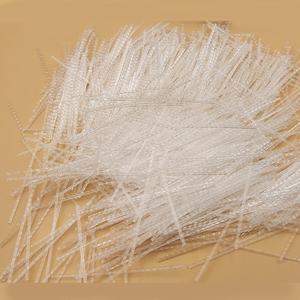
Overview of Concrete Reinforcement Synthetic Polymer Concrete Fiber Polypropylene PP Fibers
Fun ga-ipa resistance, ti a nse Irin Awọn okun, rirọpo pipe fun apapo okun waya welded ni awọn ilẹ ipakà ile-iṣẹ ati awọn eroja ti a ti sọ tẹlẹ. A tun pese awọn Fibers Sintetiki Igbekale pataki ti o funni ni agbara fifẹ giga fun awọn ohun elo ibeere. Awọn wọnyi ni awọn okun ti wa ni iṣọkan tuka jakejado nja illa, ṣiṣẹda nẹtiwọọki imuduro onisẹpo pupọ ti awọn ọna ibile ko le ṣaṣeyọri. Yi ese ona simplifies ikole, accelerates placement, ati ki o mu awọn ìwò iyege ati longevity ti awọn nja, pese idahun ode oni si jija ti ọjọ-ori ati awọn italaya agbara.
Features of Concrete Reinforcement Synthetic Polymer Concrete Fiber Polypropylene PP Fibers
1. Iṣakoso Crack ti o ga julọ ati Imudara Imudara:
Ẹya akọkọ ti awọn okun wa ni agbara wọn lati ṣe afara mejeeji awọn dojuijako micro-cracks ti o dagba lakoko ipo ṣiṣu ati awọn dojuijako nla ni kọnkiti lile.. Pipin onisẹpo onisẹpo mẹta yii ṣẹda matrix isokan diẹ sii ti o tako itankale kiraki. Anfaani taara jẹ idinku pataki ninu jija ṣiṣu isunki mejeeji ati iwọn kiraki igba pipẹ. Eleyi nyorisi kan Elo diẹ ti o tọ nja pẹlu kekere permeability, eyi ti o ni Tan mu resistance si omi ingress, di-thaw bibajẹ, ati ipata ti eyikeyi ifibọ irin. Abajade jẹ eto pẹlu igbesi aye iṣẹ to gun ati awọn idiyele itọju dinku.
2. Ikolu ti o pọ si ati Resistance Abrasion:
Awọn okun, paapa irin ati ki o logan sintetiki Makiro awọn okun, bosipo mu awọn nja ká toughness ati ranse si-crack iṣẹ. Wọn fa ati pinpin agbara lori ipa tabi ikojọpọ. Ẹya ara ẹrọ yii n pese anfani ti aaye ti o ni atunṣe diẹ sii ti o kere si itọpa, chipping, ati abrasion labẹ eru ijabọ tabi darí yiya. Eyi jẹ anfani pataki fun awọn ilẹ ipakà ile-iṣẹ, ile ise pavements, ati amayederun ise agbese, ti o yori si aaye ti o ni wiwọ lile ti o ṣetọju iduroṣinṣin rẹ ni akoko pupọ.
3. Ṣiṣe Ikole ati Awọn ifowopamọ iye owo:
Ẹya bọtini kan ti lilo imuduro okun ni imukuro ti apapo waya welded (WWF) ni ọpọlọpọ awọn ohun elo. Eyi pese awọn anfani nla lori aaye: o simplifies placement, bi ko si apapo lati wa ni ṣeto soke tabi oyi nipo, ati awọn ti o accelerates gbogbo ikole ilana. Nipa yiyọ igbese-lekoko kan laala, ise agbese wo dinku laala owo ati yiyara ise agbese timelines. Pipin iṣọkan ti awọn okun tun ṣe idaniloju imuduro ibamu jakejado gbogbo apakan nja, ko apapo, eyi ti o le wa ni aibojumu gbe, yori si siwaju sii gbẹkẹle ati ki o asọtẹlẹ išẹ.

Specification of Concrete Reinforcement Synthetic Polymer Concrete Fiber Polypropylene PP Fibers
Spec of Concrete Reinforcement Synthetic Polymer Concrete Fiber– Polypropylene (PP) Awọn okun
Ọja Ifihan
Polypropylene (PP) awọn okun are synthetic polymer fibers developed for concrete reinforcement. They mix conveniently right into concrete, amọ, tabi pilasita. These fibers aid control cracking triggered by plastic contraction and drying out contraction. They likewise enhance impact resistance and toughness.
Ẹtan Pẹlu
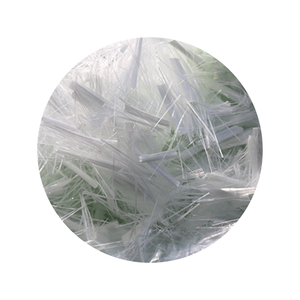
Awọn okun ti wa ni se lati 100% wundia polypropylene. They stand up to antacids, awọn acids, and other chemicals located in cementitious settings. Their surface area is dealt with to bond well with the cement matrix. Each fiber has a size in between 6 mm ati 19 mm. The size varies from 18 si 48 microns. Tensile stamina exceeds 450 MPa. Flexible modulus is around 3.5– 5.0 GPA.
Awọn anfani ni Awọn ohun elo Nja
When added to fresh concrete, PP fibers distribute evenly. They create a three-dimensional network inside the mix. This network holds the product together throughout early curing phases. It decreases surface fractures and improves communication. Awọn okun ko ipata tabi baje. They remain effective over the full service life of the structure.
These fibers enhance durability. They assist concrete absorb energy under unexpected lots. This makes them optimal for commercial floorings, awọn ọna opopona, shotcrete, ati precast irinše. They additionally minimize dusting and spalling in slim areas.
Awọn Itọsọna Lilo
Wọpọ doseji awọn sakani lati 0.6 kg/m mẹrin si 1.2 kg/m mẹrin, da lori ohun elo. Mix fibers into the concrete during batching. Use standard blending tools– no special devices are required. Ensure full diffusion to stay clear of clumping. Comply with neighborhood building ordinance and task requirements for precise application and placement approaches.
PP fibers fulfill worldwide standards such as ASTM C1116 and EN 14889-2 for synthetic fiber use in concrete. They offer a cost-effective way to improve efficiency without changing basic building techniques.

Applications of Concrete Reinforcement Synthetic Polymer Concrete Fiber Polypropylene PP Fibers
Awọn ohun elo ti polypropylene (PP) Synthetic Fibers in Concrete Support
Kini idi ti Lo Awọn Fiber PP?
Polypropylene (PP) awọn okun are widely used to reinforce concrete. They mix easily right into wet concrete and assist manage breaking. These synthetic fibers do not rust like steel. This makes them ideal for several construction demands.
Common Makes Use Of in Construction
Building contractors include PP fibers to concrete for floorings, awọn ọna opopona, ati awọn ọna. The fibers minimize surface area fractures brought on by drying out and contraction. They likewise boost effect resistance. This serves in locations with heavy foot or vehicle web traffic.
Ni awọn iṣeto iṣowo, PP fibers support stockroom slabs and. These locations frequently encounter continuous wear. The fibers aid the concrete last longer without significant repair work.
Benefits in Severe Environments
PP fibers function well in damp or harsh conditions. Because they withstand water and chemicals, they match jobs like passages, awọn ipilẹ ile, ati tona nílẹ. They also assist in wastewater therapy plants where steel support would wear away with time.
Usage in Shotcrete and Precast Aspects
Contractors utilize PP fibers in shotcrete applications such as slope stablizing and passage cellular linings. The fibers hold the mix with each other during splashing and lower rebound loss. For precast concrete products like pipelines, paneli, ati idiwo, PP fibers improve sturdiness and handling toughness before final healing.
Improved Safety And Security and Longevity
Adding PP fibers reduces the risk of sudden concrete failing. The material remains undamaged even after preliminary breaking. This feature issues in safety-critical structures like parking lot and keeping walls. The fibers likewise make concrete extra resistant to freeze-thaw cycles in cool climates.
Ni gbogbogbo, polypropylene fibers offer an easy, economical means to improve concrete efficiency throughout lots of real-world applications.
Ifihan ile ibi ise
A jẹ oludari agbaye ni nja iwuwo fẹẹrẹ ati awọn solusan foomu ti ilọsiwaju. Ti a mọ ni agbaye fun ifaramo rẹ si iwadii, imotuntun, ati ki o loo ĭrìrĭ, a ti n pese awọn solusan foomu ti a ṣe atunṣe lati ibẹrẹ 2012's.
A le pese admixture nja to gaju ati awọn ọja ti o ni ibatan foomu ni gbogbo agbaye.
Ile-iṣẹ naa ni ẹka imọ-ẹrọ ọjọgbọn ati ẹka abojuto didara, yàrá ti o ni ipese daradara, ati ipese pẹlu to ti ni ilọsiwaju igbeyewo ẹrọ ati lẹhin-tita onibara iṣẹ aarin.
Ti o ba nife, jọwọ lero free ati ki o kan si wa.
Isanwo
T/T, Western Union, Paypal, Kaadi Kirẹditi ati bẹbẹ lọ.
Gbigbe
Nipa afẹfẹ, nipa okun, nipa kiakia, bi awọn onibara beere.

5 FAQs of Concrete Reinforcement Synthetic Polymer Concrete Fiber Polypropylene PP Fibers
Awọn ibeere Nigbagbogbo Nipa Awọn Fiber Nja Polypropylene
Kini polypropylene (PP) fibers used for in concrete?
PP fibers are added to concrete to control cracking. They help reduce plastic shrinkage cracks that happen when concrete is still wet. These fibers also improve impact resistance and make the concrete more durable over time.
Bawo ni PP awọn okun ṣiṣẹ inu nja?
Nigbati adalu sinu nja, PP fibers spread evenly throughout the mix. Wọn ṣẹda nẹtiwọki kan ti o di ohun elo naa papọ. This network blocks tiny cracks from growing larger. The fibers do not replace steel rebar but work alongside it to add extra protection.
Are polypropylene fibers safe for use in construction?
Bẹẹni. PP fibers are chemically inert. They do not react with cement or other materials in concrete. Wọn koju ọrinrin, alkalis, and most chemicals found on job sites. This makes them safe and reliable for long-term use in buildings, awọn ọna, ati awọn ẹya miiran.
How much fiber should be added to concrete?
The typical dosage is between 0.6 si 1.0 kg fun mita onigun ti nja. Exact amounts depend on the project type and performance needs. Nigbagbogbo tẹle awọn ilana olupese. Diẹ diẹ le ma ṣe iranlọwọ to. Too much can affect workability.
Can PP fibers be used in all types of concrete?
Bẹẹni. These fibers work well in ready-mix concrete, shotcrete, precast eroja, and screeds. They suit both indoor and outdoor applications. Examples include slabs, pavements, odi, ati ise ipakà. Make sure the mixing process fully disperses the fibers to avoid clumping.
BERE ORO
Awọn ọja ti o jọmọ

Fiber Nja fun Nja Refractory Ti a Fikun-un si Amọ ti Imudara Nja Imudara Didipupo Agbara

Okun imọ-ẹrọ polypropylene, nja okun, okun polypropylene to gaju
concrete pouring pp glass fiber reinforced compound PP macro fiber
Agbara Fifẹ Giga Irin Nja Fiber fun Irin Nja Okun fun Imudara Ohun elo Imudara

PP Idurosinsin Okun Geotextile 200G/M2 300 G/M2 400G/M2 Nonwoven Fabric Fun Road Bank Idaabobo