


Zowonjezera Konkire Zopepuka | Zida Zapamwamba Zotulutsa thovu pa Ma Cellular Concrete

PRODUCT PARAMETERS
Kufotokozera
Overview of Aerogel Thermal Insulation Material for LNG Super Thermal Insulation Materials
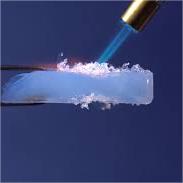
Aerogel Thermal Insulation Material for LNG Super Thermal Insulation Materials is a synthetic porous ultralight material derived from a gel, momwe gawo lamadzimadzi lasinthidwa ndi gasi. Chotsatira chake ndi cholimba chokhala ndi kachulukidwe kakang'ono kwambiri komanso kutsika kwamafuta, nthawi zambiri amatchedwa “utsi wozizira.” Ngakhale mawonekedwe ake osalimba, ikhoza kupangidwa kuti ikhale yamphamvu kwambiri, kukhala ndi mutu wa zinthu zolimba zoteteza bwino kwambiri padziko lapansi.
Features of Aerogel Thermal Insulation Material for LNG Super Thermal Insulation Materials
-
Otsika Kwambiri Padziko Lonse Matenthedwe Matenthedwe: Amapereka ntchito yosayerekezeka ya insulation, zapamwamba kwambiri kuposa zida zachikhalidwe.
-
Kutsika Kwambiri Kwambiri: Chimodzi mwazinthu zolimba zopepuka zodziwika ndi munthu, ndi kapangidwe ka mpaka 99.8% mpweya.
-
Malo Apamwamba Kwambiri: Ili ndi malo amkati akulu modabwitsa, kupangitsa kuti ikhale yofunikira pakusefera ndi kuyamwa.
-
Mapangidwe Osiyanasiyana: Zingapangidwe kuchokera ku zipangizo zosiyanasiyana, kuphatikizapo silika, kaboni, ndi metal oxides, iliyonse ili ndi katundu wapadera.
-
Exceptional Porosity: Mapangidwe ake a nanoporous ndi omwe amachititsa kuti pakhale mphamvu zotetezera.

Kupaka kwa Airgel
Specifications of Aerogel Thermal Insulation Material for LNG Super Thermal Insulation Materials
Specs of Aerogel Thermal Insulation Material for LNG Applications
Kapangidwe kazinthu
This super thermal insulation product uses silica aerogel as its core element. The aerogel is integrated with strengthening fibers to create a flexible, long lasting blanket. It contains no unsafe compounds and meets worldwide safety criteria for cryogenic use.
Kutentha Mwachangu
Extremely low thermal conductivity is the crucial feature of this product. Pa -160 °C, typical of LNG operating problems, its thermal conductivity procedures just 0.013– 0.015 W/(m · k). This efficiency remains stable over long periods, also under repeated thermal cycling.
Malo Ogona
The material comes in roll kind, with common thicknesses of 6 mm, 10 mm, ndi 20 mm. Makulidwe amachokera ku 180 ku 220 kg/m³. It resists compression well and keeps architectural honesty at cryogenic temperatures. Water vapor transmission is marginal thanks to integrated vapor barriers in particular grades.
Khazikitsa & Kugwira
Lightweight and simple to cut, the aerogel blanket fits intricate pipe and tank geometries without special devices. It installs swiftly using typical mechanical fasteners or adhesives. Employees can manage it securely with fundamental protective gear– no harmful dust or off-gassing occurs during setup.
Kulimba & Chitetezo
The material shows superb resistance to aging, kunyowa, ndi kutentha kutentha. Sizichepetsa, kusweka, or degrade under continuous exposure to LNG temperatures (-162 °C). Fire performance meets ASTM E84 Class A criteria. It is non-combustible and produces no hazardous fumes when exposed to fire.
Kugwirizana Kwachilengedwe
Produced without CFCs, Zithunzi za HCFC, or other ozone-depleting substances, this insulation sustains lasting operations. It helps reduce boil-off gas in LNG storage, decreasing power loss and discharges over the system’s lifetime.

Applications of Aerogel Thermal Insulation Material for LNG Super Thermal Insulation Materials
Applications of Aerogel Thermal Insulation in LNG Equipments
Why Aerogel Works for LNG
Dissolved natural gas (LNG) must remain extremely cool– kuzungulira -162 °C– to stay in liquid kind. Any warm entering the system triggers dissipation and loss. Aerogel thermal insulation solves this problem. It has one of the lowest thermal conductivities of any type of solid product. This suggests it obstructs warm quite possibly, also in thin layers.
Usage in LNG Storage Tanks
Huge above-ground or underground LNG tanks require trusted insulation. Conventional products like perlite or foam use up a lot more room and lose performance in time. Aerogel blankets or boards fit firmly around container wall surfaces and roofings. They withstand dampness, do not settle, and keep constant insulation worth for many years. This helps operators decrease boil-off gas and conserve cash.
Shielding LNG Pipelines
Pipes that lug LNG from ships to storage– or between facilities– must remain cold along their whole size. Covering these pipelines with versatile aerogel insulation offers strong thermal security. The material is lightweight and simple to mount, also on bent or intricate pipeline forms. It also takes care of vibration and motion without splitting.
Marine and Transport Applications
On LNG carriers and sustaining vehicles, area and weight matter a lot. Aerogel’s ultra-thin profile allows more freight area without sacrificing safety or efficiency. Its durability withstands harsh sea conditions and regular handling. For mobile LNG systems, this insulation aids preserve secure temperature levels throughout transport and transfer.
Kuchita Bwino Mungathe Kudalira Fund
Unlike older insulation types, aerogel does not absorb water or degrade when exposed to cool cycles. It stays completely dry, kuwala, and reliable. This integrity makes it a wise selection for any part of the LNG chain– storage space, kupopera, kapena mayendedwe– where keeping extreme cold is vital.
Mbiri Yakampani
Ndife mtsogoleri wapadziko lonse lapansi mu konkire yopepuka komanso mayankho apamwamba a thovu. Amadziwika padziko lonse lapansi chifukwa chodzipereka kuchita kafukufuku, luso, ndi ukatswiri wogwiritsa ntchito, takhala tikupereka mayankho opangidwa ndi thovu kuyambira koyambirira kwa 2012.
Titha kupereka zosakaniza za konkire zapamwamba kwambiri komanso zinthu zokhudzana ndi konkriti ya thovu padziko lonse lapansi.
Kampaniyo ili ndi dipatimenti yaukadaulo yaukadaulo komanso dipatimenti yoyang'anira khalidwe, labotale yokhala ndi zida zokwanira, ndi okonzeka ndi zipangizo kuyezetsa patsogolo ndi pambuyo-malonda malo utumiki kasitomala.
Ngati muli ndi chidwi, chonde khalani omasuka ndikulumikizana nafe.
Malipiro
T/T, Western Union, Paypal, Credit Card etc.
Kutumiza
Ndi mpweya, panyanja, pa express, monga amapempha makasitomala.
5 FAQs of Aerogel Thermal Insulation Material for LNG Super Thermal Insulation Materials
Frequently Asked Questions About Aerogel Thermal Insulation for LNG
Kodi insulation ya airgel ndi chiyani?
Aerogel is a lightweight solid material made mostly of air. Ili ndi matenthedwe otsika kwambiri. This makes it excellent for keeping cold things cold and hot things hot. For LNG (gasi wachilengedwe wosungunuka), which must stay at extremely low temperatures, aerogel helps reduce heat entering the system.
Why use aerogel for LNG applications?
LNG must be stored and transported below –162°C. Any heat leak can cause evaporation and loss. Aerogel offers superior insulation performance in thin layers. Zimapulumutsa malo, amadula kulemera, and lowers boil-off rates better than traditional materials like perlite or foam.
Is aerogel durable in cryogenic conditions?
Inde. Aerogel maintains its structure and insulating power even at cryogenic temperatures. Imakana kusweka, kuchepa, or degrading over time. This stability ensures long-term reliability in LNG tanks, mapaipi, and transfer systems.
How is aerogel installed?
Aerogel comes in flexible blankets or rigid panels. These can be wrapped around pipes or fitted into storage tank walls. Installation is simple and does not need special tools. The material conforms well to curved surfaces and complex shapes without losing effectiveness.
Is aerogel safe and environmentally friendly?
Modern aerogel products are non-toxic and do not contain harmful fibers. Iwo ndi hydrophobic, so moisture does not affect performance. Aerogel also helps reduce energy waste and methane emissions by improving LNG containment. This supports cleaner operations and meets environmental standards.
PEMBANI MFUNDO
ZOKHUDZANA NAZO

3 6 10mm Airgel Insulation Sheet for Warehouse Construction and Pipeline Insulation
Factory Supply Nanoparticles Building Insulation Insulation Waterproof Silica Airgel Insulation
gulu lapamwamba la hydrophoic lopanda moto la airgel projekiti ya LNG
Factory Direct Supply Impurity Free Silica Aerogel Granular for Heat Insulation Additive and Water Purify

Airgel Super Insulated Cotton Replacement for Airgel Products MGF