


Izongezo zeConcrete eziKhala | Ii-Agents eziFoaming eziSebenza ngokuPhezulu kwiSellula Concrete

IIPARAMETHA ZEMVELISO
Inkcazo
Overview of Aerogel Thermal Insulation Material for LNG Super Thermal Insulation Materials
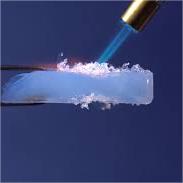
Aerogel Thermal Insulation Material for LNG Super Thermal Insulation Materials is a synthetic porous ultralight material derived from a gel, apho inxalenye yolwelo iye yatshintshwa ngerhasi. Isiphumo sisiqina esinoxinano oluphantsi kakhulu kunye ne-thermal conductivity ephantsi, idla ngokubizwa ngegama “Umsi onomkhenkce.” Nangona inkangeleko yayo ebuthathaka, inokwenziwa ukuba yomelele ngokumangalisayo, ibambe iwonga leyona nto intle yokugquma umhlaba.
Features of Aerogel Thermal Insulation Material for LNG Super Thermal Insulation Materials
-
Eyona nto iPhantsi kweThermal Conductivity yeHlabathi: Ibonelela ngokusebenza okungafaniyo kokugquma, ingaphezulu lee kwizinto zemveli.
-
Uxinzelelo oluphantsi kakhulu: Enye yezinto ezikhaphukhaphu eziqinileyo ezaziwa ngumntu, kunye nokwakheka ukuya ku 99.8% umoya.
-
Indawo yoMphezulu oPhezulu: Inommandla wangaphakathi omkhulu ngokumangalisayo, ukuyenza ixabiseke kuhluzo kunye nezicelo zokufunxa.
-
Ukuqulunqwa Okuguquguqukayo: Ingenziwa kwizinto ezahlukeneyo, kuquka i-silica, ikhabhoni, kunye neeoksidi zetsimbi, nganye ineempawu ezizodwa.
-
I-Porosity ekhethekileyo: Ubume bayo be-nanoporous bujongene nezakhono zayo ezibalaseleyo zokukhusela.

Airgel ukutyabeka
Specifications of Aerogel Thermal Insulation Material for LNG Super Thermal Insulation Materials
Specs of Aerogel Thermal Insulation Material for LNG Applications
Ulwakhiwo lweMveliso
This super thermal insulation product uses silica aerogel as its core element. The aerogel is integrated with strengthening fibers to create a flexible, long lasting blanket. It contains no unsafe compounds and meets worldwide safety criteria for cryogenic use.
Ukusebenza kakuhle kweThermal
Extremely low thermal conductivity is the crucial feature of this product. Nge -160 °C, typical of LNG operating problems, its thermal conductivity procedures just 0.013– 0.015 W/(m · K). This efficiency remains stable over long periods, also under repeated thermal cycling.
Iindawo zokuHlala ngokwasemzimbeni
The material comes in roll kind, with common thicknesses of 6 mm, 10 mm, kwaye 20 mm. Ukutyeba kuvela 180 ukuya 220 kg/m³. It resists compression well and keeps architectural honesty at cryogenic temperatures. Water vapor transmission is marginal thanks to integrated vapor barriers in particular grades.
Setup & Ukuphatha
Lightweight and simple to cut, the aerogel blanket fits intricate pipe and tank geometries without special devices. It installs swiftly using typical mechanical fasteners or adhesives. Employees can manage it securely with fundamental protective gear– no harmful dust or off-gassing occurs during setup.
Ukuqina & Ukhuseleko
The material shows superb resistance to aging, ubumanzi, and thermal shock. It does not reduce, ukwaphuka, or degrade under continuous exposure to LNG temperatures (-162 °C). Fire performance meets ASTM E84 Class A criteria. It is non-combustible and produces no hazardous fumes when exposed to fire.
Ukuhambelana nokusingqongileyo
Produced without CFCs, IiHCFCs, or other ozone-depleting substances, this insulation sustains lasting operations. It helps reduce boil-off gas in LNG storage, decreasing power loss and discharges over the system’s lifetime.

Applications of Aerogel Thermal Insulation Material for LNG Super Thermal Insulation Materials
Applications of Aerogel Thermal Insulation in LNG Equipments
Why Aerogel Works for LNG
Dissolved natural gas (LNG) must remain extremely cool– ngeenxa zonke -162 °C– to stay in liquid kind. Any warm entering the system triggers dissipation and loss. Aerogel thermal insulation solves this problem. It has one of the lowest thermal conductivities of any type of solid product. This suggests it obstructs warm quite possibly, also in thin layers.
Usage in LNG Storage Tanks
Huge above-ground or underground LNG tanks require trusted insulation. Conventional products like perlite or foam use up a lot more room and lose performance in time. Aerogel blankets or boards fit firmly around container wall surfaces and roofings. Zimelana nokufuma, do not settle, and keep constant insulation worth for many years. This helps operators decrease boil-off gas and conserve cash.
Shielding LNG Pipelines
Pipes that lug LNG from ships to storage– or between facilities– must remain cold along their whole size. Covering these pipelines with versatile aerogel insulation offers strong thermal security. The material is lightweight and simple to mount, also on bent or intricate pipeline forms. It also takes care of vibration and motion without splitting.
Marine and Transport Applications
On LNG carriers and sustaining vehicles, area and weight matter a lot. Aerogel’s ultra-thin profile allows more freight area without sacrificing safety or efficiency. Its durability withstands harsh sea conditions and regular handling. For mobile LNG systems, this insulation aids preserve secure temperature levels throughout transport and transfer.
Ukusebenza kakuhle onokuyithemba kwiNgxowa-mali
Unlike older insulation types, aerogel does not absorb water or degrade when exposed to cool cycles. It stays completely dry, ukukhanya, and reliable. This integrity makes it a wise selection for any part of the LNG chain– indawo yokugcina, piping, or transportation– where keeping extreme cold is vital.
Iprofayile yekhampani
Siyinkokeli yehlabathi kwikhonkrithi ekhaphukhaphu kunye nezisombululo zogwebu zobunjineli obuphambili. Yaziwa kwihlabathi jikelele ngokuzibophelela kuphando, ukusungula izinto ezintsha, kunye nobuchule obusetyenzisiweyo, besibonelela ngezisombululo zamagwebu ezinobunjineli ukusukela ekuqaleni kowama-2012.
Singabonelela ngomxube wekonkrithi okumgangatho ophezulu kunye neemveliso ezinxulumene nekhonkrithi egwebu kwihlabathi liphela.
Inkampani inesebe lobuchwephesha lobuchwephesha kunye nesebe lokulawula umgangatho, ilabhoratri enezixhobo ezifanelekileyo, kwaye ixhotyiswe ngezixhobo zokuvavanya eziphambili kunye neziko lenkonzo yabathengi emva kokuthengisa.
Ukuba unomdla, nceda uzive ukhululekile kwaye uqhagamshelane nathi.
Intlawulo
T/T, uwestern Union, I-Paypal, Ikhadi letyala njl.
Ukuthunyelwa ngenqanawa
Ngomoya, ngolwandle, nge-express, njengoko abathengi becela.
5 FAQs of Aerogel Thermal Insulation Material for LNG Super Thermal Insulation Materials
Frequently Asked Questions About Aerogel Thermal Insulation for LNG
Yintoni i-airgel insulation?
Aerogel is a lightweight solid material made mostly of air. Ine-conductivity ephantsi kakhulu ye-thermal. This makes it excellent for keeping cold things cold and hot things hot. For LNG (liquefied natural gas), which must stay at extremely low temperatures, aerogel helps reduce heat entering the system.
Why use aerogel for LNG applications?
LNG must be stored and transported below –162°C. Any heat leak can cause evaporation and loss. Aerogel offers superior insulation performance in thin layers. It saves space, unciphisa ubunzima, and lowers boil-off rates better than traditional materials like perlite or foam.
Is aerogel durable in cryogenic conditions?
Ewe. Aerogel maintains its structure and insulating power even at cryogenic temperatures. It resists cracking, ukucutheka, or degrading over time. This stability ensures long-term reliability in LNG tanks, imibhobho, and transfer systems.
How is aerogel installed?
Aerogel comes in flexible blankets or rigid panels. These can be wrapped around pipes or fitted into storage tank walls. Installation is simple and does not need special tools. The material conforms well to curved surfaces and complex shapes without losing effectiveness.
Is aerogel safe and environmentally friendly?
Modern aerogel products are non-toxic and do not contain harmful fibers. They are hydrophobic, so moisture does not affect performance. Aerogel also helps reduce energy waste and methane emissions by improving LNG containment. This supports cleaner operations and meets environmental standards.
CELA ISICATSHULWA
IIMVELISO EZINXULUMENEYO
10mm Izixhobo zoKwakha iMveliso yeMveliso yokugquma i-Airgel yoMgangatho oPhakamileyo

Aerogel Thermal Insulation Blanket Low Thermal Conductivity Aerogel Insulation Cotton and Film
I-SFM yokuFudumeza ngokukhawuleza i-Nano Heater Band ene-Airgel Insulation ye-Industrial Equipment

I-Factory Thickness Insulation I-Airgel Insulation Blanket ene-Strong Tensile Strength
Low High Quality Original Silicon Dioxide Aerogel