


Te mau tao'a tahi mâmâ | Te mau rave'a haaparareraa parau teitei no te cellular concrete

TE MAU PARAMETERS
Tuʻaroʻa
Overview of Aerogel Thermal Insulation Material for LNG Super Thermal Insulation Materials
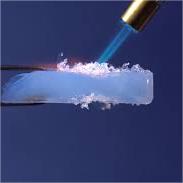
Aerogel Thermal Insulation Material for LNG Super Thermal Insulation Materials is a synthetic porous ultralight material derived from a gel, i reira te tuhaa pape i monohia ' i e te hoê mǎhu. Te faahopearaa, o te hoê ïa tao'a etaeta e te iti roa te density e te hoê aratairaa veavea iti, Pinepine “auahi to'eto'e.” Noa ' tu to ' na hoho'a paruparu, E nehenehe te reira e hamanihia ia riro ei mea puai roa, te ti'araa o te tao'a maitai roa a'e o te ao nei.
Features of Aerogel Thermal Insulation Material for LNG Super Thermal Insulation Materials
-
Te arata'iraa ve'ave'a iti roa a'e o te ao nei: E horo'a te reira i te hoê ha'utiraa insulation aita e faaauhia, mea maitai a'e i te mau tao'a tahito.
-
Density iti roa: Te hoê o te mau tao'a etaeta mâmâ roa a'e i itehia e te taata, e te hoê haamauraa e tae roa'tu i te 99.8% mata'i'oa.
-
Tuhaa fenua teitei: E vahi rahi roa to'na i roto, ma te faariro i te reira ei mea faufaa roa no te mau faaohiparaa i te tamâraa e te hutiraa.
-
Te mau papa'iraa Versatile: E nehenehe e hamanihia na roto i te mau tao'a e rave rahi, e tae noa'tu i te silica, carbone, e te mau hu'ahu'a metala, E mau huru taa ê to te mau mea atoa.
-
Porosity faahiahia: Ua riro to ' na hamaniraa nanoporous ei tumu no to ' na mau aravihi rahi no te paruru.

Te ahu Airgel
Specifications of Aerogel Thermal Insulation Material for LNG Super Thermal Insulation Materials
Specs of Aerogel Thermal Insulation Material for LNG Applications
Te haamauraa o te tao'a
This super thermal insulation product uses silica aerogel as its core element. The aerogel is integrated with strengthening fibers to create a flexible, long lasting blanket. It contains no unsafe compounds and meets worldwide safety criteria for cryogenic use.
Te aravihi o te Thermal
Extremely low thermal conductivity is the crucial feature of this product. I -160 ° C, typical of LNG operating problems, its thermal conductivity procedures just 0.013– 0.015 W/(m · K). This efficiency remains stable over long periods, also under repeated thermal cycling.
Te mau vahi faaearaa
The material comes in roll kind, with common thicknesses of 6 mm, 10 mm, e 20 mm. Thickness arrays from 180 a 220 kg/m 3. It resists compression well and keeps architectural honesty at cryogenic temperatures. Water vapor transmission is marginal thanks to integrated vapor barriers in particular grades.
Setup & Te faatereraa
Lightweight and simple to cut, the aerogel blanket fits intricate pipe and tank geometries without special devices. It installs swiftly using typical mechanical fasteners or adhesives. Employees can manage it securely with fundamental protective gear– no harmful dust or off-gassing occurs during setup.
Te puai & Fārere
The material shows superb resistance to aging, te, e te hitimahuta. It does not reduce, fracture, or degrade under continuous exposure to LNG temperatures (-162 ° C). Fire performance meets ASTM E84 Class A criteria. It is non-combustible and produces no hazardous fumes when exposed to fire.
Te mau mea e haaati ra ia tatou
Produced without CFCs, HCFC, or other ozone-depleting substances, this insulation sustains lasting operations. It helps reduce boil-off gas in LNG storage, decreasing power loss and discharges over the system’s lifetime.

Applications of Aerogel Thermal Insulation Material for LNG Super Thermal Insulation Materials
Applications of Aerogel Thermal Insulation in LNG Equipments
Why Aerogel Works for LNG
Dissolved natural gas (LNG) must remain extremely cool– I tāpati -162 ° C– to stay in liquid kind. Any warm entering the system triggers dissipation and loss. Aerogel thermal insulation solves this problem. Te vai ra i roto te hoê o te mau ravea aratairaa veavea iti roa ' ' e o te mau huru tao'a etaeta atoa. This suggests it obstructs warm quite possibly, also in thin layers.
Usage in LNG Storage Tanks
Huge above-ground or underground LNG tanks require trusted insulation. Conventional products like perlite or foam use up a lot more room and lose performance in time. Aerogel blankets or boards fit firmly around container wall surfaces and roofings. They withstand dampness, do not settle, and keep constant insulation worth for many years. This helps operators decrease boil-off gas and conserve cash.
Shielding LNG Pipelines
Pipes that lug LNG from ships to storage– or between facilities– must remain cold along their whole size. Covering these pipelines with versatile aerogel insulation offers strong thermal security. The material is lightweight and simple to mount, also on bent or intricate pipeline forms. It also takes care of vibration and motion without splitting.
Marine and Transport Applications
On LNG carriers and sustaining vehicles, area and weight matter a lot. Aerogel’s ultra-thin profile allows more freight area without sacrificing safety or efficiency. Its durability withstands harsh sea conditions and regular handling. For mobile LNG systems, this insulation aids preserve secure temperature levels throughout transport and transfer.
Efficiency You Can Trust Fund
Taa ê noa'tu i te mau huru insulation tahito, aerogel does not absorb water or degrade when exposed to cool cycles. It stays completely dry, mōrī, e ti'aturihia. This integrity makes it a wise selection for any part of the LNG chain– te vahi tape'araa, piping, or transportation– where keeping extreme cold is vital.
Hoho'a o te Taiete
O tatou te ti'a faatere o te ao nei i roto i te mau rave'a no te faatitiaifaro i te mau rave'a hamaniraa tauihaa. Ua matau - maitai - hia oia na te ao nei no to ' na fafauraa i te maimiraa, Fa'aterehia, e te ite aravihi, mai te omuaraa mai â o te mau matahiti 2012 mai â, ua horo'a matou i te mau rave'a no te faatitiaifaro i te mau fifi.
Na te ao taatoa nei, e nehenehe ta tatou e horo'a i te mau tao'a faaineineraa ti'a teitei e te mau tao'a hu'ahu'a.
E tuhaa ohipa aravihi to te taiete e te hoê tuhaa fenua no te hi'opo'araa i te maitai, te hoê piha maimiraa tei faaineine-maitai-hia, e te mau rave'a hi'opo'araa aravihi e te hoê pû taviniraa i muri a'e i te hooraa.
Mai te mea e, te anaanatae ra outou, A faaite mai ia matou.
Aufau
T/T, Tooa o te râ, Paypal, Tareta tarahu etc.
Te tonoraa
Na roto i te reva, na te moana, na roto i te faaiteraa, mai ta te feia hoo tao'a e ani ra.
5 FAQs of Aerogel Thermal Insulation Material for LNG Super Thermal Insulation Materials
Frequently Asked Questions About Aerogel Thermal Insulation for LNG
Eaha te aerogel?
Aerogel is a lightweight solid material made mostly of air. He iti roa tona aratairaa thermal. This makes it excellent for keeping cold things cold and hot things hot. For LNG (mǎhu natura), which must stay at extremely low temperatures, aerogel helps reduce heat entering the system.
Why use aerogel for LNG applications?
LNG must be stored and transported below –162°C. Any heat leak can cause evaporation and loss. Aerogel offers superior insulation performance in thin layers. It saves space, e faaiti i te poihâ, and lowers boil-off rates better than traditional materials like perlite or foam.
Is aerogel durable in cryogenic conditions?
ae. Aerogel maintains its structure and insulating power even at cryogenic temperatures. It resists cracking, te itiraa, or degrading over time. This stability ensures long-term reliability in LNG tanks, nga paipa, and transfer systems.
Nahea te airgel i te faautahia?
Aerogel comes in flexible blankets or rigid panels. These can be wrapped around pipes or fitted into storage tank walls. Installation is simple and does not need special tools. The material conforms well to curved surfaces and complex shapes without losing effectiveness.
Is aerogel safe and environmentally friendly?
Modern aerogel products are non-toxic and do not contain harmful fibers. They are hydrophobic, so moisture does not affect performance. Aerogel also helps reduce energy waste and methane emissions by improving LNG containment. This supports cleaner operations and meets environmental standards.
A TINIRAA I TE HOÊ PARAU
TE MAU HOPO'A FAATAA
Te mau tao'a no te paturaa i te fare Airgel Silica

Te mau ahu tapo'i maitai roa a'e i te ao nei JN650 Silica Airgel

Nano Airgel Felt Tape no te mau fare pereoo apî no te mau pipelines

o te CE Airgel Tapo'iraa R Te faito Density 12kg
Fireproof and Hydrophobic Aerogel Paint
