


Lightweight Concrete Additives | High-Performance Foaming Agents for Cellular Concrete

PRODUCT PARAMETERS
Description
Introduction to Construction Chemical Hydroxypropyl Methyl Cellulose HPMC for Tile Adhesive
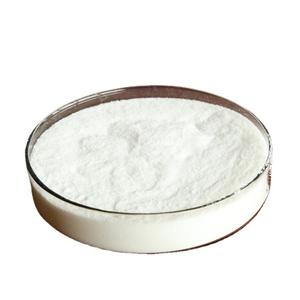
Hydroxypropyl Methylcellulose (HPMC), whose Chinese name is hydroxypropyl methylcellulose, is a semi-synthetic, non-ionic cellulose ether obtained by chemically modifying natural cellulose. This white powder can form a transparent viscous solution after dissolving in water. It has excellent thickening, water retention, stability and film-forming properties. It is an indispensable multifunctional additive in many fields such as construction.
Characteristics and advantages of Construction Chemical Hydroxypropyl Methyl Cellulose HPMC for Tile Adhesive
Excellent water solubility: It can be quickly dissolved in cold water to form a clear and stable solution.
Efficient thickening and water retention ability: Increase the viscosity of the material, effectively reduce water evaporation, and improve work efficiency.
Good stability: It has good stability to acids, alkalis, and salts, and is suitable for a wide range of pH values.
Film-forming and protective effects: After drying, it forms a tough and transparent film to protect the substrate and prevent water penetration and evaporation.
Non-toxic and non-irritating: It has good biocompatibility and is suitable for the fields of medicine and food.
Adjustability: By changing the degree of substitution and molecular weight, its performance can be adjusted to meet different application requirements.

Specifications of Construction Chemical Hydroxypropyl Methyl Cellulose HPMC for Tile Adhesive
Specifications of Construction Chemical Hydroxypropyl Methyl Cellulose (HPMC) for Tile Adhesive
Key Properties
Hydroxypropyl Methyl Cellulose (HPMC) is a high-performance additive widely used in tile adhesives. It improves workability, water retention, and open time. This white to off-white powder dissolves easily in cold water and forms a clear, viscous solution.
The product offers excellent water retention. Good water retention helps cement hydrate fully. This leads to stronger bond strength between tiles and substrates. HPMC also prevents sagging on vertical surfaces. Tiles stay in place without sliding down during installation.
Technical Specifications
– Appearance: White or slightly yellowish free-flowing powder
– Particle size: 98% passes through an 80-mesh sieve
– Methoxyl content: 19–24%
– Hydroxypropyl content: 4–12%
– Viscosity (2% solution, 20°C): 400–100,000 mPa·s (customizable based on application needs)
– pH value (2% solution): 7.0–9.0
– Moisture content: ≤5%
– Ash content: ≤5%
Benefits in Tile Adhesive Formulations
HPMC boosts the performance of tile adhesives in many ways. It increases slip resistance so tiles do not move after placement. It extends open time, giving installers more working time. The additive also enhances adhesion to various surfaces like concrete, wood, and old tiles.
This chemical remains stable across a wide temperature range. It performs well in both summer heat and winter cold. HPMC does not support microbial growth, which helps maintain product shelf life.
Manufacturers can adjust HPMC grades to meet specific project demands. Whether for thin-set mortars or large-format tile installations, the right HPMC grade ensures reliable results every time.

Applications of Construction Chemical Hydroxypropyl Methyl Cellulose HPMC for Tile Adhesive
Why HPMC Matters in Tile Adhesive
Better Workability and Smooth Application
Hydroxypropyl Methyl Cellulose (HPMC) makes tile adhesive easier to mix and spread. Workers find it smoother to trowel onto walls or floors. The paste stays consistent without lumps or dry spots. This helps cover large areas quickly and evenly.
Stronger Hold from the Start
HPMC slows down how fast water leaves the adhesive. This gives more time for tiles to bond well with the surface underneath. Early adhesion improves, so tiles stay in place right after setting. There’s less risk of sliding or shifting before the adhesive fully cures.
Keeps Water Where It’s Needed
Cement-based adhesives need water to harden properly. HPMC holds onto that water, even on porous or hot surfaces. This stops the mix from drying too soon. As a result, the final bond becomes stronger and more reliable.
Fewer Cracks, Better Finish
Because HPMC controls water loss and improves flexibility, the dried adhesive resists cracking. This is especially important in areas with temperature changes or slight movement. A crack-free layer means longer-lasting tile installations and cleaner grout lines.
Stable Performance in Real Conditions
HPMC works well in different weather and on many types of substrates—concrete, plaster, old tiles, or backer boards. It keeps the adhesive stable during storage and use. Batches stay uniform, so every job feels predictable and professional.
Builders and contractors choose HPMC because it solves everyday problems on site. It cuts down waste, saves time, and reduces callbacks for repairs. With HPMC in the mix, tile adhesive performs like it should—every time.
Company Profile
We are the global leader in lightweight concrete and advanced engineered foam solutions. Known globally for its commitment to research, innovation, and applied expertise, we have been providing engineered foam solutions since the early 2012’s.
We can supply high-quality concrete admixture and foam concrete related products all over the world.
The company has a professional technical department and quality supervision department, a well-equipped laboratory, and equipped with advanced testing equipment and after-sales customer service center.
If you are interested, please feel free and contact us.
Payment
T/T, Western Union, Paypal, Credit Card etc.
Shipment
By air, by sea, by express, as customers request.
5 FAQs of Construction Chemical Hydroxypropyl Methyl Cellulose HPMC for Tile Adhesive
Frequently Asked Questions About HPMC in Tile Adhesive
What is HPMC and why is it used in tile adhesive?
HPMC stands for Hydroxypropyl Methyl Cellulose. It is a water-soluble polymer made from natural cellulose. In tile adhesive, HPMC helps the mix stay workable longer. It also improves adhesion and stops tiles from sliding after placement.
How does HPMC affect the workability of tile adhesive?
HPMC increases the viscosity of the wet mix. This makes the adhesive easier to spread with a trowel. It also keeps water in the mix longer, which gives installers more time to adjust tiles before the adhesive sets.
Does HPMC improve bond strength?
Yes. HPMC helps the adhesive stick better to both the wall and the tile. It forms a thin film that holds materials together. This leads to stronger, more reliable bonds over time.
Can HPMC prevent tiles from sagging on vertical surfaces?
Absolutely. One key role of HPMC is anti-sag performance. It gives the adhesive enough body to hold heavy tiles in place on walls without slipping. This is especially important for large-format or dense tiles.
Is HPMC compatible with other additives in tile adhesive?
HPMC works well with most common additives like redispersible polymer powders, starch ethers, and cement. However, always test the final mix for performance. Some combinations may need adjustment to keep the right balance of open time, strength, and workability.
REQUEST A QUOTE
RELATED PRODUCTS
mortar admixture Hydroxypropyl methylcellulose hpmc powder for dry mix products Tile Adhesives
Chemicals Hydroxypropyl Methyl Cellulose HPMC for Wall Putty

Chemical Auxiliary Agent Hydroxypropyl Methyl Cellulose HPMC Chemical Hydroxy Propyl Methyl Cellulose

Head hpmc for construction/ hpmc for tile adhesive/ hpmc putty powder 100000 factory OEM available
High Viscosity Hydroxypropyl Methyl Cellulose HPMC for Internal and External Coating Mortar Additives
