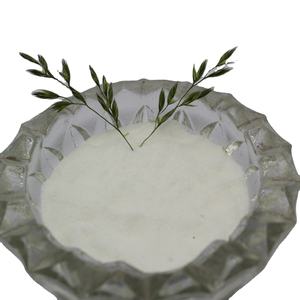
Cur-ris concrait aotrom | Luchd-ionaid foam àrd-choileanadh airson concrait cealla


PARAMETAIREAN PRODUCT
Tuairisgeul
Introduction to Hydroxypropyl Methyl Cellulose HPMC PVA PCE RDP VAE Powder PP Fibre for Wall Putty Mortar Binder Tile Adhesive Gypsum
Hydroxypropyl Methylcellulose (HPMC), leis an ainm Sìneach hydroxypropyl methylcellulose, tha e leth-shintéiseach, ether ceallalose neo-ionic air fhaighinn le bhith ag atharrachadh ceallalose nàdarra gu ceimigeach. Faodaidh am pùdar geal seo fuasgladh slaodach follaiseach a chruthachadh às deidh a leaghadh ann an uisge. Tha tiugh sàr-mhath aige, gleidheadh uisge, seasmhachd agus feartan cruthachadh film. Tha e na chur-ris ioma-ghnìomhach riatanach ann an iomadh raon leithid togail.
Characteristics and advantages of Hydroxypropyl Methyl Cellulose HPMC PVA PCE RDP VAE Powder PP Fibre for Wall Putty Mortar Binder Tile Adhesive Gypsum
Fuasgladh uisge sàr-mhath: Faodar a sgaoileadh gu sgiobalta ann an uisge fuar gus fuasgladh soilleir agus seasmhach a chruthachadh.
Comas tiormachadh èifeachdach agus gleidheadh uisge: Meudaich slaodachd an stuth, gu h-èifeachdach a’ lughdachadh falmhachadh uisge, agus a’ leasachadh èifeachdas obrach.
Seasmhachd math: Tha seasmhachd math aige ri acids, alkalis, agus salainn, agus tha e freagarrach airson raon farsaing de luachan pH.
Cruthachadh film agus buaidhean dìon: An dèidh tiormachadh, bidh e na fhilm làidir agus follaiseach gus an t-substrate a dhìon agus casg a chuir air uisge bho bhith a’ dol a-steach agus a ’falamhachadh.
Neo-phuinnseanta agus neo-iriosal: Tha biocompatibility math aige agus tha e freagarrach airson raointean cungaidh-leigheis agus biadh.
Co-fhreagarrachd: Le bhith ag atharrachadh ìre an ionaid agus cuideam moileciuil, faodar a choileanadh atharrachadh gus coinneachadh ri diofar riatanasan tagraidh.

Specifications of Hydroxypropyl Methyl Cellulose HPMC PVA PCE RDP VAE Powder PP Fibre for Wall Putty Mortar Binder Tile Adhesive Gypsum
Product Specifications for Building And Construction Additives
Hydroxypropyl Methyl Cellulose (HPMC)
HPMC tha geal, unsmelling powder used to enhance water retention and workability. It aids regulate enlarging and avoids drooping in wall putty and ceramic tile adhesives. The regular viscosity variety is 40,000– 100,000 mPa·s. Ash web content stays below 5%. Fragment dimension passes through an 80-mesh sieve.
Deoch-làidir polyvinyl (PVA) Pùdar
PVA pùdar improves adhesion and versatility. It dissolves in water and creates a strong movie after drying out. Usual use levels are 1– 3% a rèir cuideam. The level of hydrolysis is normally 87– 89%. Residue on an 80-mesh sieve is under 2%.
Ether polycarboxylate (PCE) Superplasticizer
PCE lowers water need while keeping good circulation. It increases stamina and workability in plaster and cement-based mixes. Strong material has to do with 98%. Chloride web content is much less than 0.1%. Seòrsaichean dòs bho 0.1% gu 0.3%.
Pùdar Polymer Redispersible (RDP)
RDP enhances bond strength, freagarrachd, agus strì an aghaidh uisge. It redisperses in water to develop a polymer film. Vinyl acetate-ethylene (COIS) types prevail. Tha an ìre teòthachd as ìsle airson cruthachadh film timcheall air 0– 5 °C. Ash web content is listed below 10%.
Vinyl Acetate-Ethylene (COIS) Copolymer
VAE pùdar provides exceptional bond to various substrates. Bidh e ag obair gu math ann am mortaran measgachadh tioram. Glass change temperature is typically– 5 °C gu 5 °C. Excellence: 99% goes through a 100-mesh sieve.
Polypropylene (PP) Snàithlean
Snàithleach PP control splitting and include tensile strength. Length arrays from 3 mm gu 12 mm. Size is about 18– 40 miocroin. Melting point is near 165 °C. They distribute uniformly in wet mortar without clumping.

Applications of Hydroxypropyl Methyl Cellulose HPMC PVA PCE RDP VAE Powder PP Fibre for Wall Putty Mortar Binder Tile Adhesive Gypsum
Trick Ingredients for High-Performance Structure Materials
Hydroxypropyl Methyl Cellulose (HPMC)
HPMC boosts water retention in wall surface putty, adhesive leacag ceirmeach, agus plastair. Bidh seo a’ cuideachadh ròn no gypsum hydrate gu tur. It additionally provides much better workability and prevents sagging on upright surfaces.
Deoch-làidir polyvinyl (PVA) Pùdar
PVA powder improves attachment and flexibility. It makes mortars stick better to tiles, concrait, no plastair. It also lowers breaking throughout drying out.
Ether polycarboxylate (PCE)
PCE is a superplasticizer. It lowers water use while keeping the mix liquid. Bheir seo gu bhith nas làidire, denser mortars with less shrinkage.
Pùdar Polymer Redispersible (RDP)
RDP boosts bond stamina and flexibility once the mortar dries. It functions well in floor tile adhesives and exterior wall surface putties. It additionally boosts resistance to weather and aging.
Plastaig acetate ethylene (COIS) Pùdar
VAE powder uses great flexibility and adhesion at inexpensive. It assists tile adhesives hold strongly even on hard-to-bond surfaces like old tiles or smooth concrete.
Polypropylene (PP) Snàithlean
PP fibers manage plastic shrinkage cracks. They add tensile strength and improve impact resistance. These fibers mix easily into gypsum, putty, or thin-set mortars without clumping.
All these additives work together or alone to satisfy various job requirements. HPMC maintains water in the mix. PVA and RDP make bonds more powerful. PCE makes the mix flow better with much less water. VAE provides strong efficiency at lower cost. PP fibers stop very early fractures. Home builders choose the best mix based on climate, seòrsa uachdar, and needed durability. Each item brings clear advantages to modern-day dry-mix mortars utilized each day on construction sites.
Pròifil companaidh
Is sinne an stiùiriche cruinneil ann am fuasglaidhean foam concrait aotrom agus adhartach innleadaireachd. Aithnichte air feadh na cruinne airson a dhealas a thaobh rannsachadh, ùr-ghnàthachadh, agus eòlas gnìomhaichte, tha sinn air a bhith a’ toirt seachad fuasglaidhean foam innleadaichte bho thràth anns na 2012n.
Is urrainn dhuinn measgachadh de chruadhtan àrd-inbhe agus toraidhean co-cheangailte ri cruadhtan foam a thoirt seachad air feadh an t-saoghail.
Tha roinn theicnigeach proifeasanta agus roinn stiùiridh càileachd aig a’ chompanaidh, obair-lann air a dheagh uidheamachadh, agus uidheamaichte le uidheamachd deuchainn adhartach agus ionad seirbheis teachdaiche às deidh reic.
Ma tha ùidh agad, na bi leisg agus cuir fios thugainn.
Pàigheadh
T/T, Aonadh an Iar, Paypal, Cairt-creideis msaa.
Luingearachd
Le adhair, ri taobh na mara, le luaths, mar iarrtas luchd-ceannach.

5 FAQs of Hydroxypropyl Methyl Cellulose HPMC PVA PCE RDP VAE Powder PP Fibre for Wall Putty Mortar Binder Tile Adhesive Gypsum
Ceistean Cumanta
Dè a th’ ann an HPMC agus carson a thathas ga chleachdadh ann am putty balla?
HPMC (Hydroxypropyl Methyl Cellulose) helps wall putty stay smooth and easy to spread. Bidh e a 'cumail uisge gu math, so the putty dries slowly and evenly. This stops cracks from forming and makes the surface stronger.
How does PVA powder improve tile adhesive?
PVA (Deoch-làidir polyvinyl) powder boosts stickiness and flexibility in tile adhesive. It helps the adhesive bond tightly to both the tile and the wall. Even when wet or under stress, tha an ceangal fhathast làidir.
What role does PCE play in mortar?
PCE (Ether polycarboxylate) is a superplasticizer. It cuts down the amount of water needed in mortar while keeping it workable. Less water means higher strength and better durability once the mortar sets.
Why add RDP or VAE powder to gypsum products?
RDP (Pùdar Polymer Redispersible) and VAE (Vinyl Acetate Ethylene) make gypsum products tougher and more flexible. They improve adhesion, reduce dusting, and help the material resist impact and moisture.
Do PP fibers really help in wall putty or mortar?
Tha. PP (Polypropylene) fibers control tiny cracks that happen during drying or shrinking. They spread stress across the mix, which keeps the surface intact and reduces surface flaws. Tha an toradh nas socraiche, crìochnachadh nas fhaide maireannach.
IARRANN SGEULACHDAN
NAIGHEACHDAN FIRINNEACH

Hydroxypropyl Methyl Cellulose HPMC Hypromellose Methocel

Pùdar HPMC Hydroxypropyl Methyl Cellulose CAS 9004 65 3
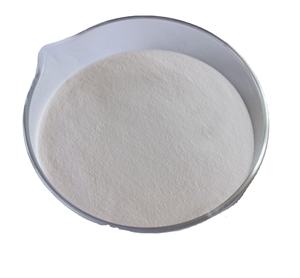
Àrd Viscosity Hydroxypropyl Methyl Cellulose HPMC 250000 CPS airson inneal-glanaidh leaghaidh uisge stèidhichte air emulsion a ’peantadh seampù fuilt

Pure Cellulose Hydroxypropyl Methyl Cellulose HPMC 75000 Togail pùdar airson
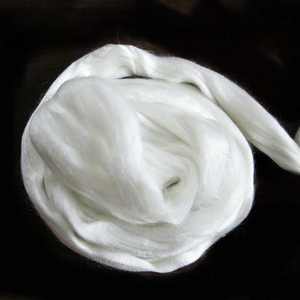
stuth gleidhidh uisge pùdar measgachadh tioram glaodh saimeant mortar clach mhòr hydroxypropyl àidseant cuideachaidh ceimigeach hpmc