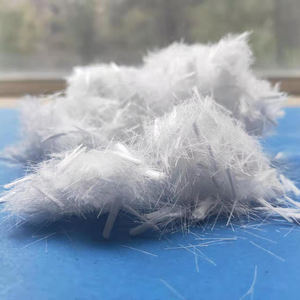
Nā Pākuʻi Paʻa Māmā | Nā ʻĀpana Hoʻohuʻi Kiʻekiʻe no ka Kelepona Kelepona

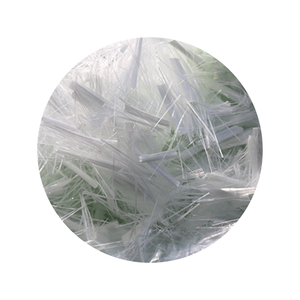
NA PALAPALA HUA
wehewehe
Overview of Building construction concrete Fiber rod and deformed fiber rebar
No ke kū'ē kiʻekiʻe, hāʻawi mākou i nā Fiber Steel, kahi mea hoʻololi kūpono no ka uwea welded mesh ma nā papahele ʻoihana a me nā mea hoʻolei mua. Hāʻawi pū mākou i nā Structural Synthetic Fibers kūikawā e hāʻawi ana i ka ikaika tensile kiʻekiʻe no nā noi noi.. Hoʻopuehu like ʻia kēia mau fiber i loko o ka hui ʻana, ka hoʻokumu ʻana i kahi pūnaewele hoʻoikaika nui i hiki ʻole ke hoʻokō i nā ʻano kuʻuna. Hoʻomaʻamaʻa kēia ʻano hoʻohui i ke kūkulu ʻana, hoʻokē hoʻokomo, a hoʻonui i ka pono holoʻokoʻa a me ka lōʻihi o ka lāʻau, hāʻawi ʻana i kahi pane hou i nā pilikia o ka wā kahiko a me ka lōʻihi.
Features of Building construction concrete Fiber rod and deformed fiber rebar
1. ʻOi aku ka mana o ka māwae a me ka hoʻoikaika ʻana i ka lōʻihi:
ʻO ka hiʻohiʻona nui o kā mākou fibers ko lākou hiki ke hoʻopaʻa i nā micro-cracks ʻelua i hana ʻia i ka wā o ke kūlana plastik a me nā māwae nui aʻe i loko o ke koʻa paʻa.. Hoʻokumu kēia dispersion ʻekolu-dimensional i kahi matrix cohesive ʻoi aku ka pale ʻana i ka hoʻolaha ʻana. ʻO ka pōmaikaʻi pololei, he hōʻemi nui ia i ka ʻāʻī ʻana o ka plastic a me ka laula māwae lōʻihi. Ke alakaʻi nei kēia i ka ʻoi aku ka lōʻihi o ke koʻikoʻi me ka haʻahaʻa haʻahaʻa, ʻo ia ka mea e hoʻonui ai i ke kū'ē i ka wai komo, pōʻino hoʻoheheʻe, a me ka palahu o kekahi kila i hookomoia. ʻO ka hopena he hale me ka lōʻihi o ke ola lawelawe a hoʻemi ʻia nā kumukūʻai mālama.
2. Hoʻonui i ka hopena a me ka pale ʻana i ka abrasion:
Nā pulu, ʻoi aku ke kila a me nā fiber macro synthetic ikaika, hoʻomaikaʻi maikaʻi i ka paʻakikī o ke kaʻa a me ka hana ma hope o ka haki. Lawe lākou a puʻunaue i ka ikehu ma ka hopena a i ʻole ka hoʻouka ʻana. Hāʻawi kēia hiʻohiʻona i ka pōmaikaʻi o kahi ʻili kūpaʻa ʻoi aku ka liʻiliʻi o ka spalling, ʻokiʻoki, a me ka abrasion ma lalo o ke kaʻa nui a i ʻole ka lole mīkini. He waiwai koʻikoʻi kēia no nā papahele ʻoihana, hale kūʻai pavements, a me nā papahana hoʻolālā, e alakaʻi ana i kahi ʻili paʻakikī e mālama i kona kūpaʻa i ka manawa.
3. ʻO ka maikaʻi o ke kūkulu ʻana a me ka mālama kālā:
ʻO kahi hiʻohiʻona nui o ka hoʻohana ʻana i ka fiber reinforcement ʻo ka hoʻopau ʻana i ka uwea welded mesh (WWF) i nā noi he nui. Hāʻawi kēia i nā pōmaikaʻi nui ma ka pūnaewele: maʻalahi ka hoʻokomo, no ka mea, ʻaʻohe mesh e hoʻonohonoho ʻia a hiki ke hoʻoneʻe ʻia, a hoʻokēʻai i ke kaʻina hana holoʻokoʻa. Ma ka wehe ʻana i kahi hana koʻikoʻi, ʻike nā papahana i ka hōʻemi ʻana i nā kumukūʻai hana a me ka wikiwiki o ka manawa papahana. ʻO ka hāʻawi like ʻana o nā fibers e hōʻoiaʻiʻo i ka hoʻoikaika paʻa ʻana ma ka ʻāpana koneki holoʻokoʻa, like ole mesh, hiki ke waiho pono ole ia, alakaʻi i ka hana hilinaʻi a wānana.

Specification of Building construction concrete Fiber rod and deformed fiber rebar
Concrete Fiber Poles and Deformed Fiber Rebar– Product Spec
Hoʻolālā Mea
Concrete fiber poles a warped fiber rebar are made from high-strength synthetic fibers. These consist of lava, aniani, or carbon fibers incorporated with polymer materials. The mix produces a lightweight yet long lasting alternative to standard steel reinforcement. All basic materials satisfy global high quality standards for building use.
Nā hiʻohiʻona huna
These items withstand deterioration, ʻaʻole like me ke kila. They do not corrosion when exposed to dampness, kemika, or salt. This makes them suitable for bridges, marine frameworks, and areas with extreme climate. Their weight has to do with one-quarter that of steel, which lowers transportation and managing costs. The surface area of flawed fiber rebar has ribs or spins. This layout improves grasp inside concrete, guaranteeing solid bonding and tons transfer.
Nā hiʻohiʻona kino
Tensile toughness arrays from 800 i 1,500 MPa, relying on the fiber kind. Flexible modulus differs but remains appropriate for a lot of architectural applications. Thermal growth carefully matches that of concrete, which helps stop fracturing. The product is non-conductive and non-magnetic, adding safety in delicate settings like power plant or clinical facilities.
Nā noi
Use these products in slabs, pā, structures, tunnels, a me nā mea hoʻoheheʻe mua. They work well in new builds and fixing tasks. Since they do not conflict with radio signals or MRI tools, they are likewise used in customized structures such as laboratories and information facilities. Specialists pick them where long-lasting toughness and low maintenance issue many.
Nā Kūlana a me ka Hoʻokō
All items follow ASTM, ISO, and ACI guidelines for fiber-reinforced polymer (FRP) rebars. Each set undergoes strict screening for tensile toughness, bond performance, a me ka pololei ana. Certifications of conformity are available upon demand.

Applications of Building construction concrete Fiber rod and deformed fiber rebar
Applications of Fiber-Reinforced Concrete in Building And Construction
Fiber Poles for Enhanced Toughness
Fiber poles are used to reinforce concrete in several building jobs. These poles are made from artificial or glass fibers. ʻAʻole lākou e ʻele e like me ke kila. This makes them optimal for structures exposed to wetness or chemicals. Building contractors make use of fiber rods in walls, nā papa, and foundations where long-lasting efficiency issues. They assist manage cracks and enhance toughness without adding heavy weight.
Deformed Fiber Rebar for Structural Assistance
Deformed fiber rebar works like standard steel rebar but with essential benefits. Its surface area has ridges or patterns that hold the concrete better. This enhances load transfer and keeps the material adhered firmly. Ma muli o ka ʻoiaʻiʻo he non-corrosive, it lasts much longer in extreme atmospheres such as seaside areas or locations with road salt. Service providers select deformed fiber rebar for bridges, hale kaʻa kaʻa, a me nā hale kai. It also reduces maintenance costs with time.
Both fiber poles and flawed fiber rebar support modern-day building needs. They provide dependable support while addressing issues linked to steel deterioration. Their lightweight nature makes dealing with and setup less complicated on site. Employees can reduce and position them without special devices. This quickens work and reduces labor needs.
These fiber-based items meet stringent building regulations and standards. Engineers define them when toughness, palekana, and sustainability are priorities. They mix well with environment-friendly building techniques since they lower the need for repair services and substitutes. Over the life of a framework, this implies less waste and reduced ecological influence.
Home builders today count on fiber-reinforced options to produce much safer, nā hale lōʻihi. Whether made use of alone or together with conventional products, fiber poles and warped fiber rebar provide solid, sensible outcomes across household, ʻoihana ʻoihana, and facilities tasks.
Hoʻolauna Hui
Welina mai iā Concrete and More, he mea hoʻolako alakaʻi i nā mea hoʻohui ʻia i ka hana kiʻekiʻe, me kā mākou mea hoʻohaʻahaʻa wai koneki. Me nā makahiki o ka ʻike ma ka mākeke honua, hāʻawi mākou i nā hoʻonā holomua i hoʻolālā ʻia e hoʻomaikaʻi i ka maikaʻi a me ka pono o nā hana kūkulu honua. ʻO kā mākou mau hale hana hou e hōʻoia i nā huahana kiʻekiʻe e kū ana i nā kūlana honua. Haʻaheo mākou iā mākou iho i ka lawelawe kūʻai kūʻokoʻa, kākoʻo ʻenehana, a me nā hāʻina kūpono e hoʻokō i nā pono o ka papahana. E hui pū me mākou no ka hilinaʻi, mea hou, a me ke kumu kūʻai hoʻohui koʻikoʻi e alakaʻi i kāu mau papahana i mua. E ʻimi hou aku ma www.concreteandmore.de/. E kūkulu pū kākou i ka wā e hiki mai ana!
Inā he mau nīnau kāu, e ʻoluʻolu e hoʻokaʻaʻike mai iā mākou.
Uku Uku
T/T, Hui Komohana, Paypal, Kāleka ʻaiʻē etc.
Nā ʻano hoʻouna
Ma ka lewa, ma ke kai, ma ka hoike, e like me ke noi a nā mea kūʻai aku.
5 FAQs of Building construction concrete Fiber rod and deformed fiber rebar
Frequently Asked Questions About Fiber Rods and Deformed Fiber Rebar in Concrete Construction
What are fiber rods and deformed fiber rebar?
Fiber rods and deformed fiber rebar are non-metallic reinforcement materials used in concrete. They are made from glass or carbon fibers bound together with resin. Unlike steel rebar, they do not rust and are lighter in weight.
Why use fiber reinforcement instead of steel?
Fiber reinforcement resists corrosion, which makes it ideal for wet or salty environments like bridges or coastal buildings. Ua emi iho ke kaumaha ma mua o ke kila, so handling and transport become easier. Kahi mea hou aʻe, it does not conduct electricity or interfere with radio signals.
Can fiber rods replace steel rebar completely?
I nā manawa he nui, yes—but not all. Fiber rods work well in slabs, pā, and pavements where tensile strength needs are moderate. Eia naʻe, for heavy-load structures like high-rise columns or beams, engineers may still prefer steel or use a mix of both materials.
How is deformed fiber rebar installed?
Installation follows similar steps to steel rebar. Workers cut, kūlou, and tie the bars into place before pouring concrete. Special tools may be needed for cutting, but no welding is required. Always follow the manufacturer’s guidelines and local building codes.
Is fiber reinforcement more expensive than steel?
Upfront costs can be higher than standard steel rebar. But over time, savings come from lower maintenance, no need for anti-corrosion treatments, and easier installation. For projects in harsh environments, the long-term value often outweighs the initial price difference.
NOI I KA PALAPALA
NA HUAKAI PILI

ʻO OEM polypropylene pulupulu no ka pulupulu i hoʻoikaika ʻia i ka fiber pp micro fiber me ka haʻahaʻa
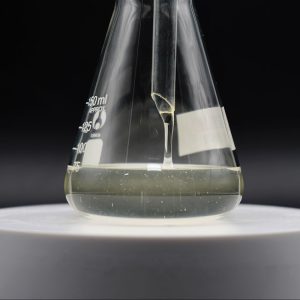
Concrete Additive Wood Cellulose Fiber Improve The Crack Resistance of Concrete

ʻO ka pulupulu hao i hoʻopaʻa ʻia i hoʻopaʻa ʻia

Hoʻohana nui ʻia ka ʻoihana hoʻolako ʻana i ka carbon concrete fiber Felt no ka hoʻohana ʻana i ka hale hana

Cold drawn concrete fiber for reinforced concrete