


Nga Whakapiri Raima Maamaa | Nga Kaipupuhi Hukarere Mahinga Nui mo te Raima Pukoro

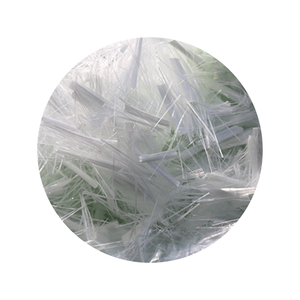
NGA TAATA HUA
Whakaahuatanga
Overview of Building construction concrete Fiber rod and deformed fiber rebar
Mo te parenga-nui, ka whakaekea e matou nga muka maitai, he whakakapinga pai mo te waea waea paiherea i roto i nga papa ahumahi me nga waahanga o mua. Ka whakaratohia ano hoki e matou nga muka Hanganga Hanganga motuhake e tuku ana i te kaha kaha mo te tono tono.. Ka marara rite enei muka puta noa i te ranunga raima, te hanga i te kupenga whakakaha-maha e kore e taea e nga tikanga tuku iho. Ko tenei huarahi whakauru ka ngawari te hanga, ka whakatere i te whakanohonga, me te whakanui ake i te pono me te roa o te raima, he whakautu hou mo nga wero tawhito me te mauroa.
Features of Building construction concrete Fiber rod and deformed fiber rebar
1. Mana Kapiti Kairangi me te Maamaa Whakarei:
Ko te ahuatanga tuatahi o a tatou muka ko to raatau kaha ki te hono i nga kapiti moroiti e rua ka puta i te wa o te ahua kirihou me nga kapiti nui atu i roto i te raima whakapakeke.. Ko tenei marara e toru-ahu ka hanga he matrix kaha ake hei aukati i te whakatipu kapiti. Ko te painga tika ko te whakahekenga nui i roto i nga kapiti whakaheke kirihou me te whanui kapiti mo te wa roa. Ka puta tenei ki te raima tino roa ake me te iti o te uruhanga, e whakanui ana i te aukati ki te whakauru wai, te mate huka-rewa, me te waikura o tetahi rino whakauru. Ko te hua ko te hanganga me te roa o te oranga ratonga me te whakaiti i nga utu tiaki.
2. Te Whakanuia o te Paanga me te Atete Abrasion:
Nga muka, ina koa te rino me nga muka tonotono waihanga pakari, te whakapai ake i te pakari o te raima me te mahi i muri i te kapiti. Ka mimiti, ka tohatoha i te kaha i runga i te paanga, te uta ranei. Ko tenei ahuatanga e whakarato ana i te painga o te mata kaha ake ka iti ake te waahi ki te pakaru, maramara, me te abrasion i raro i nga waka taumaha me nga kakahu miihini. He painga nui tenei mo nga papa ahumahi, nga papahanga whare putunga, me nga kaupapa hanganga, e arai ana ki te mata pakeke ake e mau tonu ana tona tapatahi i roto i te waa.
3. Te Mahi Hanga me te Tiaki Utu:
Ko tetahi ahuatanga nui o te whakamahi i te whakakaha muka ko te whakakore i nga waea waea paiherea (WWF) i roto i nga tono maha. Ka whakarato tenei i nga painga nui i runga i te waahi: he whakangawari te whakatakotoranga, i te mea karekau he mata hei whakatu, ka nukuhia ranei, a ka whakatere i te katoa o nga mahi hanga. Na roto i te tango i tetahi mahi mahi, ka kite nga kaupapa i te hekenga o nga utu mo nga kaimahi me te tere ake o nga waahi kaupapa. Ko te tohatoha rite o nga muka ka whakarite kia rite tonu te whakakaha puta noa i te waahanga raima katoa, kaore i rite ki te mata, ka taea te whakanoho hee, ka nui ake te pono me te matapae mahi.

Specification of Building construction concrete Fiber rod and deformed fiber rebar
Concrete Fiber Poles and Deformed Fiber Rebar– Hua Spec
Hanganga Rawa
Concrete fiber poles a warped fiber rebar are made from high-strength synthetic fibers. These consist of lava, karaihe, or carbon fibers incorporated with polymer materials. The mix produces a lightweight yet long lasting alternative to standard steel reinforcement. All basic materials satisfy global high quality standards for building use.
Nga mea ngaro
These items withstand deterioration, kaore i rite ki te maitai. They do not corrosion when exposed to dampness, matū, te tote ranei. This makes them suitable for bridges, anga moana, and areas with extreme climate. Their weight has to do with one-quarter that of steel, which lowers transportation and managing costs. The surface area of flawed fiber rebar has ribs or spins. This layout improves grasp inside concrete, guaranteeing solid bonding and tons transfer.
Āhuatanga ā-tinana
Tensile toughness arrays from 800 ki 1,500 MPa, relying on the fiber kind. Flexible modulus differs but remains appropriate for a lot of architectural applications. Thermal growth carefully matches that of concrete, which helps stop fracturing. The product is non-conductive and non-magnetic, adding safety in delicate settings like power plant or clinical facilities.
Nga tono
Use these products in slabs, taiepa, hanganga, kauhanga, me nga waahanga o mua. They work well in new builds and fixing tasks. Since they do not conflict with radio signals or MRI tools, they are likewise used in customized structures such as laboratories and information facilities. Specialists pick them where long-lasting toughness and low maintenance issue many.
Standards and Compliance
All items follow ASTM, ISO, and ACI guidelines for fiber-reinforced polymer (FRP) rebars. Each set undergoes strict screening for tensile toughness, bond performance, me te tika o te ahu. Certifications of conformity are available upon demand.

Applications of Building construction concrete Fiber rod and deformed fiber rebar
Applications of Fiber-Reinforced Concrete in Building And Construction
Fiber Poles for Enhanced Toughness
Fiber poles are used to reinforce concrete in several building jobs. These poles are made from artificial or glass fibers. E kore e waikura ano he rino. This makes them optimal for structures exposed to wetness or chemicals. Building contractors make use of fiber rods in walls, papapa, and foundations where long-lasting efficiency issues. They assist manage cracks and enhance toughness without adding heavy weight.
Deformed Fiber Rebar for Structural Assistance
Deformed fiber rebar works like standard steel rebar but with essential benefits. Its surface area has ridges or patterns that hold the concrete better. This enhances load transfer and keeps the material adhered firmly. Na te mea he kore-waikura, it lasts much longer in extreme atmospheres such as seaside areas or locations with road salt. Service providers select deformed fiber rebar for bridges, waka waka, me nga hanganga moana. It also reduces maintenance costs with time.
Both fiber poles and flawed fiber rebar support modern-day building needs. They provide dependable support while addressing issues linked to steel deterioration. Their lightweight nature makes dealing with and setup less complicated on site. Employees can reduce and position them without special devices. This quickens work and reduces labor needs.
These fiber-based items meet stringent building regulations and standards. Engineers define them when toughness, haumarutanga, and sustainability are priorities. They mix well with environment-friendly building techniques since they lower the need for repair services and substitutes. Over the life of a framework, this implies less waste and reduced ecological influence.
Home builders today count on fiber-reinforced options to produce much safer, nga hanganga roa. Whether made use of alone or together with conventional products, fiber poles and warped fiber rebar provide solid, sensible outcomes across household, ahumahi, and facilities tasks.
Whakataki Kamupene
Nau mai ki te Raima me etahi atu, he kaiwhakarato matua o nga whakauru raima mahi teitei, tae atu ki a maatau utu whakaheke wai raima. Me nga tau o te wheako i te maakete o te ao, ka whakaekea e matou etahi otinga matatau i hangaia hei whakarei ake i te kounga me te pai o nga kaupapa hanga puta noa i te ao. Ko o tatou whare hanga-a-toi-a-toi e whakarite ana i nga hua o te kounga teitei e tutuki ana ki nga paerewa o te ao. He whakahīhī mātou i runga i te ratonga kiritaki tino pai, tautoko hangarau, me nga otinga kua whakaritea hei whakatutuki i nga hiahia kaupapa motuhake. Whakahoahoa ki a maatau mo te pono, auaha, me nga whakauru raima utu-utu e akiaki ana i o kaupapa ki mua. Torotoro atu i www.concreteandmore.de/. Kia hanga tahi tatou i te heke mai!
Mena kei a koe etahi patai, tēnā koa whakapā mai ki a mātou.
Nga Tikanga Utu
T/T, Western Union, Paypal, Kaari nama etc.
Nga Tikanga Tukunga
Ma te hau, ma te moana, mā te whakapuaki, kia rite ki te tono a nga kaihoko.
5 FAQs of Building construction concrete Fiber rod and deformed fiber rebar
Frequently Asked Questions About Fiber Rods and Deformed Fiber Rebar in Concrete Construction
What are fiber rods and deformed fiber rebar?
Fiber rods and deformed fiber rebar are non-metallic reinforcement materials used in concrete. They are made from glass or carbon fibers bound together with resin. Unlike steel rebar, they do not rust and are lighter in weight.
Why use fiber reinforcement instead of steel?
Fiber reinforcement resists corrosion, which makes it ideal for wet or salty environments like bridges or coastal buildings. He iti ake te taumaha i te maitai, so handling and transport become easier. I tua atu, it does not conduct electricity or interfere with radio signals.
Can fiber rods replace steel rebar completely?
I roto i nga take maha, yes—but not all. Fiber rods work well in slabs, taiepa, and pavements where tensile strength needs are moderate. Heoi ano, for heavy-load structures like high-rise columns or beams, engineers may still prefer steel or use a mix of both materials.
How is deformed fiber rebar installed?
Installation follows similar steps to steel rebar. Workers cut, bend, and tie the bars into place before pouring concrete. Special tools may be needed for cutting, but no welding is required. Always follow the manufacturer’s guidelines and local building codes.
Is fiber reinforcement more expensive than steel?
Upfront costs can be higher than standard steel rebar. But over time, savings come from lower maintenance, no need for anti-corrosion treatments, and easier installation. For projects in harsh environments, the long-term value often outweighs the initial price difference.
TONO HE KORERO
HUA HUA
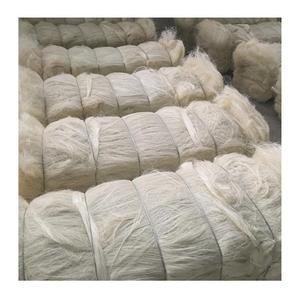
Factory Good Dispersity Polypropylene Concrete Fiber PP Fiber for Concrete
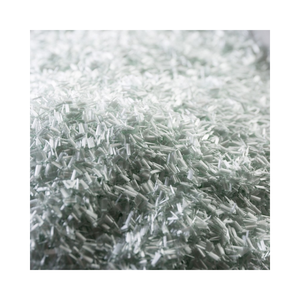
Hot ing 12mm PP Polypropylene muka raima 19mm muka raima mota whakakaha mo te hanga
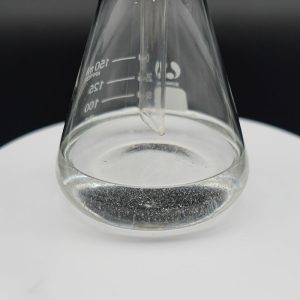
Concrete reinforcement Synthetic waved macro fibers High dispersion monofilament Polypropylene PP fibres from s
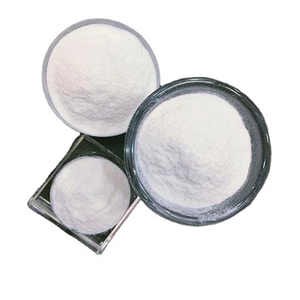
PP Raima Fiber Monofilament mo te Whakakaha Raima 12mm

Wave Steel Fiber Utu Utu Steel Fiber Whakakaha Waketere Raima Mo Te Hanga
