Te mau tao'a tahi mâmâ | Te mau rave'a haaparareraa parau teitei no te cellular concrete

TE MAU PARAMETERS
Tuʻaroʻa
Overview of Building construction concrete Fiber rod and deformed fiber rebar
No te pato'iraa rahi, te horo'a nei matou i te mau hu'ahu'a Steel, te hoê monoraa maitai roa no te mau uira arapoa i ni'a i te tahua fare hamaniraa tauihaa e te mau hu'ahu'a. Te horoa atoa nei matou i te mau hu'ahu'a Synthetic taa ê o te horoa i te puai rahi no te mau faaohiparaa fifi. E parare hoê â teie mau hu'ahu'a i roto i te amuiraa sima, te haamauraa i te hoê faanahoraa haapuairaa rahi o te ore e nehenehe e ravehia e te mau rave'a anamua. Na teie faanahoraa taa ê e faaohie i te paturaa, haavitiviti te tuuraa, e te haamaitai i te taiva ore e te oraraa roa o te raima, Te horo'araa i te hoê pahonoraa apî i te mau fifi o te mau fifi tahito e te mau fifi.
Features of Building construction concrete Fiber rod and deformed fiber rebar
1. Te faatereraa hau a'e e te vai - maitai - raa:
Te huru matamua o to tatou mau hu'ahu'a, o to ratou ïa aravihi no te faatumu i ni'a i te mau hu'ahu'a iti e tupu mai i roto i te huru hu'ahu'a e te mau hu'ahu'a rahi a'e i roto i te raima. E faatupu teie purara e toru ahu i te hoê matrix taa ê a'e o te pato'i i te parareraa o te mau hu'ahu'a. Te maitai ti'a'tu, o te hoê ïa faaitiraa rahi i te mau hu'ahu'a hu'ahu'a e te rahi o te hu'ahu'a. E faatupu te reira i te hoê raima papû a'e e te iti a'e o te permeability, o te faarahi ïa i te aravihi no te patoi i te pape, Te faainoraa, e te vavahiraa o te mau fetia atoa. Te faahopearaa, o te hoê ïa haamauraa e oraraa taviniraa roa a'e e te haamau'araa iti a'e.
2. Te faarahiraa o te mau faahopearaa e te patoiraa i te abrasion:
Te mau hu'ahu'a, i te pae iho â râ o te mau hu'ahu'a macro e te mau hu'ahu'a macro, ia haamaitai rahi i te etaeta o te raima e te ha'utiraa i muri mai i te reira. E huti ratou e e opere ratou i te ito i muri a'e i te mau faahopearaa aore ra te mau hopoia. E horoa teie huru i te maitai o te hoê mata etaeta a'e o te ore e nehenehe e vavahi, chipping, e te vavahiraa i raro a'e i te pereoo uira rahi aore ra i te mau ahu matini. E tuhaa faufaa roa teie no te mau tahua hamaniraa tauihaa, Te mau purumu no te fare vairaa tauihaa, e te mau opuaraa paturaa, e arata'i atu i ni'a i te hoê vahi etaeta a'e o te tape'a i to'na haapa'o maitai i te roaraa o te taime.
3. Te aravihi no te paturaa i te fare e te haaputuputuraa moni:
Te hoê tuhaa rahi o te faaohiparaa i te mau hu'ahu'a, o te faaoreraa ïa i te mau arapoa (WWF) i roto i te mau faaohiparaa e rave rahi. E horo'a te reira i te mau maitai rahi i ni'a i te tahua itenati: te faaohie nei te reira i te tuuraa, no te mea ho'i e, aita e upe'a no te haamau e aore râ, no te faaru'e, e te haavitiviti te reira i te taatoaraa o te ohipa paturaa. Na roto i te iritiraa i te hoê taahiraa ohipa rahi, Te ite nei te mau opuaraa i te mau haamâu'araa no te ohipa e te mau taime vitiviti a'e. Te haapapu atoa ra te tufaraa hoê â o te mau hu'ahu'a i te hoê haapuairaa tamau i roto i te tuhaa raima taatoa, taa ê atu i te mesh, o te nehenehe e tuuhia i nia i te vahi tano ore, e arata'i atu i te hoê ha'utiraa e ti'aturihia a'e e e nehenehe e tohuhia.

Specification of Building construction concrete Fiber rod and deformed fiber rebar
Concrete Fiber Poles and Deformed Fiber Rebar– Spec o te tao'a
Te haamauraa o te mau materia
Concrete fiber poles e warped fiber rebar are made from high-strength synthetic fibers. These consist of lava, āru, or carbon fibers incorporated with polymer materials. The mix produces a lightweight yet long lasting alternative to standard steel reinforcement. All basic materials satisfy global high quality standards for building use.
Te mau huru huna
These items withstand deterioration, taa ê atu i te feruri. They do not corrosion when exposed to dampness, mau tao'a tahi, e aore râ, te tote. This makes them suitable for bridges, Te mau hoho'a moana, and areas with extreme climate. Their weight has to do with one-quarter that of steel, which lowers transportation and managing costs. The surface area of flawed fiber rebar has ribs or spins. This layout improves grasp inside concrete, guaranteeing solid bonding and tons transfer.
Te mau huru o te tino
Tensile toughness arrays from 800 a 1,500 MPa, relying on the fiber kind. Flexible modulus differs but remains appropriate for a lot of architectural applications. Thermal growth carefully matches that of concrete, which helps stop fracturing. The product is non-conductive and non-magnetic, adding safety in delicate settings like power plant or clinical facilities.
Te mau faaohiparaa
Use these products in slabs, patu, Te mau haamauraa, nga tunnels, e te mau hu'ahu'a. They work well in new builds and fixing tasks. Since they do not conflict with radio signals or MRI tools, they are likewise used in customized structures such as laboratories and information facilities. Specialists pick them where long-lasting toughness and low maintenance issue many.
Standards and Compliance
All items follow ASTM, ISO, and ACI guidelines for fiber-reinforced polymer (FRP) rebars. Each set undergoes strict screening for tensile toughness, bond performance, e te papû o te faito. Certifications of conformity are available upon demand.

Applications of Building construction concrete Fiber rod and deformed fiber rebar
Applications of Fiber-Reinforced Concrete in Building And Construction
Fiber Poles for Enhanced Toughness
Fiber poles are used to reinforce concrete in several building jobs. These poles are made from artificial or glass fibers. Eita ratou e ino mai te mauhaa. This makes them optimal for structures exposed to wetness or chemicals. Building contractors make use of fiber rods in walls, mau papa'i, and foundations where long-lasting efficiency issues. They assist manage cracks and enhance toughness without adding heavy weight.
Deformed Fiber Rebar for Structural Assistance
Deformed fiber rebar works like standard steel rebar but with essential benefits. Its surface area has ridges or patterns that hold the concrete better. This enhances load transfer and keeps the material adhered firmly. Due to the fact that it is non-corrosive, it lasts much longer in extreme atmospheres such as seaside areas or locations with road salt. Service providers select deformed fiber rebar for bridges, mau fare tapearaa pereoo, e te mau faanahoraa moana. It also reduces maintenance costs with time.
Both fiber poles and flawed fiber rebar support modern-day building needs. They provide dependable support while addressing issues linked to steel deterioration. Their lightweight nature makes dealing with and setup less complicated on site. Employees can reduce and position them without special devices. This quickens work and reduces labor needs.
These fiber-based items meet stringent building regulations and standards. Engineers define them when toughness, ha'amanuira'a, and sustainability are priorities. They mix well with environment-friendly building techniques since they lower the need for repair services and substitutes. Over the life of a framework, this implies less waste and reduced ecological influence.
Home builders today count on fiber-reinforced options to produce much safer, longer-lasting structures. Whether made use of alone or together with conventional products, fiber poles and warped fiber rebar provide solid, sensible outcomes across household, te fare hamaniraa tauihaa, and facilities tasks.
Horo'araa parau no te Taiete
Aroha mai ki te Concrete e te tahi atu â, te hoê taata horo'a rahi no te mau rave'a haaparareraa parau teitei, e tae noa'tu i ta tatou mau rave'a faaiti pape. Te mau matahiti ite i roto i te matete o te ao nei, te horo'a nei matou i te mau rave'a aravihi no te haamaitai i te huru e te aravihi o te mau opuaraa paturaa na te ao nei. Te haapapu nei ta tatou mau fare hamaniraa tauihaa apî roa a'e i te mau tao'a maitai roa a'e o te tu'ati i te mau titauraa a te ao nei. Te oaoa nei matou i te taviniraa faahiahia roa a te feia hoo, patururaa i te pae no te rave'a aravihi, e te mau rave'a faatitiaifaroraa no te pahono i te mau hinaaro taa ê o te opuaraa. A amui atu ia matou no te ti'aturi, faaapî, e te mau rave'a haamau'araa moni ore o te arata'i i ta outou mau opuaraa i mua. A hi'o hau atu â i ni'a i te www.. E patu amui tatou i te tau no a muri a'e!
Mai te mea e uiuiraa ta outou, Aita e feaaraa ia farerei ia matou.
Te mau rave'a aufau
T/T, Tooa o te râ, Paypal, Tareta tarahu etc.
Te mau rave'a no te tono
Na roto i te reva, na te moana, na roto i te faaiteraa, mai ta te feia hoo tao'a e ani ra.
5 FAQs of Building construction concrete Fiber rod and deformed fiber rebar
Frequently Asked Questions About Fiber Rods and Deformed Fiber Rebar in Concrete Construction
What are fiber rods and deformed fiber rebar?
Fiber rods and deformed fiber rebar are non-metallic reinforcement materials used in concrete. They are made from glass or carbon fibers bound together with resin. Unlike steel rebar, they do not rust and are lighter in weight.
Why use fiber reinforcement instead of steel?
Fiber reinforcement resists corrosion, which makes it ideal for wet or salty environments like bridges or coastal buildings. Hau atu â to ' na teimaha i te matie, so handling and transport become easier. I te horo'a i roto i, eita te reira e faatere i te uira aore ra e haafifi i te mau tapao ratio.
Can fiber rods replace steel rebar completely?
I roto e rave rahi tupuraa, yes—but not all. Fiber rods work well in slabs, patu, and pavements where tensile strength needs are moderate. Āre'a, for heavy-load structures like high-rise columns or beams, engineers may still prefer steel or use a mix of both materials.
How is deformed fiber rebar installed?
Installation follows similar steps to steel rebar. Workers cut, vaharaha, and tie the bars into place before pouring concrete. Special tools may be needed for cutting, but no welding is required. Always follow the manufacturer’s guidelines and local building codes.
Is fiber reinforcement more expensive than steel?
Upfront costs can be higher than standard steel rebar. Teie râ, i te roaraa o te tau, savings come from lower maintenance, no need for anti-corrosion treatments, and easier installation. For projects in harsh environments, the long-term value often outweighs the initial price difference.
A TINIRAA I TE HOÊ PARAU
TE MAU HOPO'A FAATAA
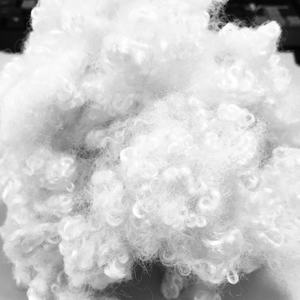
Hongshengyuan Te mau hu'ahu'a Polypropylene teitei Te puai teitei no te pato'i i te mau tao'a paturaa
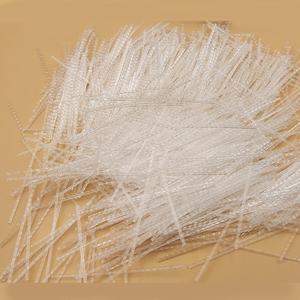
Te mau hu'ahu'a ti'a taatoa 50mm 54mm
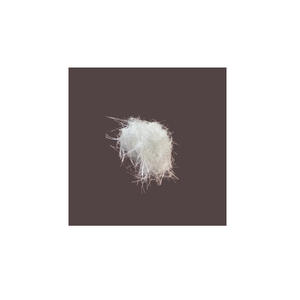
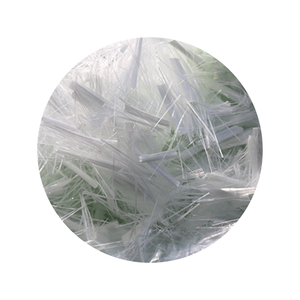
Polypropylene Concrete Fiber Synthetic PP Fiber for Cement Reinforcing Concrete Additive Length 12mm 19mm 6mm

Te mau hu'ahu'a fetia no roto mai i te fare hamaniraa tauihaa

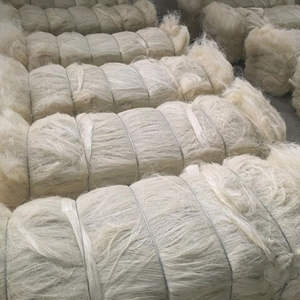
Cement Polypropylene Reinforced Fibra Concrete Additive Staple Fiber