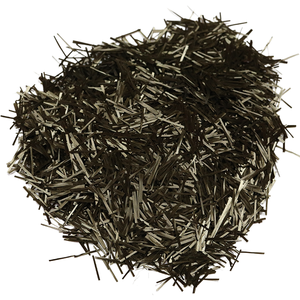
Li-additives tsa Konkreite tse bobebe | Li-Agents tse Foaming tse Phahameng ka ho Fetisisa bakeng sa Konkreite ea Cellular

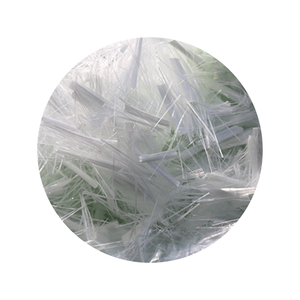
LITLHAKISO TSA LITŠOANTŠISO
Tlhaloso
Overview of Building construction concrete Fiber rod and deformed fiber rebar
Bakeng sa khanyetso e phahameng, re fana ka Steel Fibers, sebaka se loketseng bakeng sa letlooeng la terata le cheselitsoeng mekatong ea liindasteri le lintho tse entsoeng esale pele. Re boetse re fana ka li-Structural Synthetic Fibers tse khethehileng tse fanang ka matla a phahameng a ts'ebetso bakeng sa lits'ebetso tse batloang haholo. Likhoele tsena li hasane ka mokhoa o ts'oanang ho pholletsa le motsoako oa konkreite, ho theha marang-rang a matlafatso a mahlakore a mangata ao mekhoa ea setso e ke keng ea e finyella. Mokhoa ona o kopaneng o nolofatsa kaho, potlakisa ho beha, le ho matlafatsa botšepehi bo akaretsang le bophelo bo bolelele ba konkreite, ho fana ka karabo ea sejoale-joale ho mathata a khale a ho petsoha le ho tšoarella.
Features of Building construction concrete Fiber rod and deformed fiber rebar
1. Taolo e Phahameng ea Crack le Matla a Matlafalitsoeng:
Ntho ea mantlha ea likhoele tsa rona ke bokhoni ba bona ba ho koala mapetso a manyane a hlahang nakong ea polasetiki le mapetsong a maholo a konkreite e thata.. Phatlalatso ena ea mahlakore a mararo e theha matrix e momahaneng haholoanyane e hananang le phatlalatso ea crack. Melemo e tobileng ke ho fokotseha ho hoholo ha ho phunyeha ha polasetiki ka bobeli le bophara ba nako e telele. Sena se lebisa ho konkreite e tšoarellang haholo e nang le matla a tlase, seo ka sona se matlafatsang kganetso ya metsi a kenang, tshenyo ya ho qhoqhoa, le ho bola ha tšepe efe kapa efe e kentsoeng. Sephetho ke sebopeho se nang le nako e telele ea tšebeletso le litšenyehelo tse fokolitsoeng tsa tlhokomelo.
2. Keketseho ea Tšusumetso le Khahlano ea Abrasion:
Likhoele, haholo-holo tšepe le li-macro fibers tse matla tsa maiketsetso, ntlafatsa haholo ho tiea ha konkreite le ts'ebetso ea kamora ho phatloha. Li monya le ho aba matla ha li ama kapa ha li laeloa. Tšobotsi ena e fana ka molemo oa sebaka se tsitsitseng haholoanyane se sa rateheng ho spalling, ho qhetsola, le abrasion tlas'a sephethephethe se seholo kapa moaparo oa mochini. Ena ke monyetla oa bohlokoa bakeng sa mekato ea indasteri, litselana tsa polokelo, le diporojeke tsa mafaratlhatlha, e lebisang sebakeng se apereng ka thata haholo se bolokang botshepehi ka nako.
3. Sebetsa sa Kaho le Poloko ea Litšenyehelo:
Tšobotsi ea bohlokoa ea ho sebelisa fiber reinforcement ke ho felisoa ha letlooeng le cheselitsoeng (WWF) lits'ebetsong tse ngata. Sena se fana ka melemo e mengata sebakeng sa marang-rang: e nolofatsa ho beha, kaha ha ho na mesh e lokelang ho hlongoa kapa e ka tlosoang, mme e akofisa tshebetso yohle ya kaho. Ka ho tlosa mohato o boima oa mosebetsi, merero e bona litšenyehelo tse fokotsehileng tsa basebetsi le linako tse potlakileng tsa merero. Kabo e tšoanang ea likhoele e boetse e tiisa matlafatso e tsitsitseng ho pholletsa le karolo eohle ea konkreite, ho fapana le letlooeng, e ka bewang ka tsela e sa lokang, se lebisang tshebetsong e tshepehang le e lebelloang.

Specification of Building construction concrete Fiber rod and deformed fiber rebar
Concrete Fiber Poles and Deformed Fiber Rebar– Tlhaloso ea Sehlahisoa
Sebopeho sa Lintho
Concrete fiber poles le warped fiber rebar are made from high-strength synthetic fibers. These consist of lava, khalase, or carbon fibers incorporated with polymer materials. The mix produces a lightweight yet long lasting alternative to standard steel reinforcement. All basic materials satisfy global high quality standards for building use.
Likarolo tsa Sephiri
These items withstand deterioration, ho fapana le tshepe. They do not corrosion when exposed to dampness, lik'hemik'hale, kapa letsoai. This makes them suitable for bridges, meralo ea metsing, and areas with extreme climate. Their weight has to do with one-quarter that of steel, which lowers transportation and managing costs. The surface area of flawed fiber rebar has ribs or spins. This layout improves grasp inside concrete, guaranteeing solid bonding and tons transfer.
Litšobotsi Tsa 'Meleng
Tensile toughness arrays from 800 ho 1,500 MPa, relying on the fiber kind. Flexible modulus differs but remains appropriate for a lot of architectural applications. Thermal growth carefully matches that of concrete, which helps stop fracturing. The product is non-conductive and non-magnetic, adding safety in delicate settings like power plant or clinical facilities.
Lisebelisoa
Use these products in slabs, mabota, meaho, lithanele, le likarolo tsa precast. They work well in new builds and fixing tasks. Since they do not conflict with radio signals or MRI tools, they are likewise used in customized structures such as laboratories and information facilities. Specialists pick them where long-lasting toughness and low maintenance issue many.
Standards and Compliance
All items follow ASTM, ISO, and ACI guidelines for fiber-reinforced polymer (FRP) rebars. Each set undergoes strict screening for tensile toughness, bond performance, le ho nepahala ha dimensional. Certifications of conformity are available upon demand.

Applications of Building construction concrete Fiber rod and deformed fiber rebar
Applications of Fiber-Reinforced Concrete in Building And Construction
Fiber Poles for Enhanced Toughness
Fiber poles are used to reinforce concrete in several building jobs. These poles are made from artificial or glass fibers. They do not rust like steel. This makes them optimal for structures exposed to wetness or chemicals. Building contractors make use of fiber rods in walls, matlapa, and foundations where long-lasting efficiency issues. They assist manage cracks and enhance toughness without adding heavy weight.
Deformed Fiber Rebar for Structural Assistance
Deformed fiber rebar works like standard steel rebar but with essential benefits. Its surface area has ridges or patterns that hold the concrete better. This enhances load transfer and keeps the material adhered firmly. Ka lebaka la hore ha e senyehe, it lasts much longer in extreme atmospheres such as seaside areas or locations with road salt. Service providers select deformed fiber rebar for bridges, likarache tsa ho paka makoloi, le meaho ea metsing. It also reduces maintenance costs with time.
Both fiber poles and flawed fiber rebar support modern-day building needs. They provide dependable support while addressing issues linked to steel deterioration. Their lightweight nature makes dealing with and setup less complicated on site. Employees can reduce and position them without special devices. This quickens work and reduces labor needs.
These fiber-based items meet stringent building regulations and standards. Engineers define them when toughness, tshireletso, and sustainability are priorities. They mix well with environment-friendly building techniques since they lower the need for repair services and substitutes. Over the life of a framework, this implies less waste and reduced ecological influence.
Home builders today count on fiber-reinforced options to produce much safer, meaho ya nako e telele. Whether made use of alone or together with conventional products, fiber poles and warped fiber rebar provide solid, sensible outcomes across household, indasteri, le mesebetsi ea matsoho.
Kenyelletso ea Khampani
Rea u amohela ho Concrete le Tse ling, mofani ea ka sehloohong oa li-admixtures tsa konkreite tse sebetsang hantle, ho kenyelletsa le lisebelisoa tsa rona tse fokotsang metsi tsa konkreite. Ka phihlelo ea lilemo tse ngata 'marakeng oa lefatše, re fana ka litharollo tse tsoetseng pele tse etselitsoeng ho ntlafatsa boleng le katleho ea merero ea kaho lefatšeng ka bophara. Mehaho ea rona ea morao-rao ea tlhahiso ea lihlahisoa e netefatsa lihlahisoa tsa boleng bo holimo tse finyellang litekanyetso tsa machaba. Re motlotlo ka tšebeletso e ikhethang ea bareki, tšehetso ea tekheniki, le litharollo tse lokiselitsoeng ho fihlela litlhoko tse khethehileng tsa morero. Kopana le rona bakeng sa ho tšepahala, boiqapelo, le li-admixtures tsa konkreite tse theko e boima tse tsamaisang merero ea hau pele. Ithute haholoanyane ho www.concreteandmore.de/. Ha re aheng bokamoso hammoho!
Haeba u na le lipotso, ka kopo ikutloe u lokolohile ho ikopanya le rona.
Mekhoa ea Tefo
T/T, phetiso ea chelete e bitsoang western union, Paypal, Credit Card etc.
Mekhoa ea ho Romela
Ka moea, ka leoatle, ka Express, joalo ka ha bareki ba kopa.
5 FAQs of Building construction concrete Fiber rod and deformed fiber rebar
Frequently Asked Questions About Fiber Rods and Deformed Fiber Rebar in Concrete Construction
What are fiber rods and deformed fiber rebar?
Fiber rods and deformed fiber rebar are non-metallic reinforcement materials used in concrete. They are made from glass or carbon fibers bound together with resin. Unlike steel rebar, they do not rust and are lighter in weight.
Why use fiber reinforcement instead of steel?
Fiber reinforcement resists corrosion, which makes it ideal for wet or salty environments like bridges or coastal buildings. E boetse e boima bo tlase ho feta tšepe, so handling and transport become easier. Holim'a moo, ha e tsamaise motlakase kapa hona ho kena-kenana le matshwao a radio.
Can fiber rods replace steel rebar completely?
In many cases, yes—but not all. Fiber rods work well in slabs, mabota, and pavements where tensile strength needs are moderate. Leha ho le joalo, for heavy-load structures like high-rise columns or beams, engineers may still prefer steel or use a mix of both materials.
How is deformed fiber rebar installed?
Installation follows similar steps to steel rebar. Workers cut, kobeha, and tie the bars into place before pouring concrete. Special tools may be needed for cutting, but no welding is required. Always follow the manufacturer’s guidelines and local building codes.
Is fiber reinforcement more expensive than steel?
Upfront costs can be higher than standard steel rebar. But over time, savings come from lower maintenance, no need for anti-corrosion treatments, and easier installation. For projects in harsh environments, the long-term value often outweighs the initial price difference.
KOPO KHOPO
LIHLAHISO TSE HLAHANG
Indasteri Grade Concrete Micro Synthetic PP Concrete Fiber Macro Fiber ka Plastiki bakeng sa Concrete
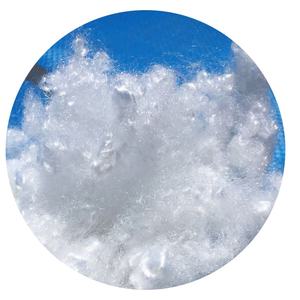
Factory Liners of Industrial Furnace White Other Refractory Blanket Ceramic Fiber Products
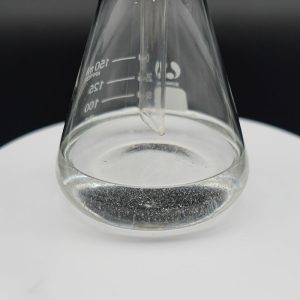
Zirconia GFRC GRC Fiberglass bakeng sa Concrete Cement Fiber Additive

Direct s Cut The Glass fiber BMC Glass fiber Short Strands Bakeng sa Konkreite ea Plaster Reinforcement

pp fiber for concrete Cement Reinforcing Polypropylene fibres wave fiber chunky polypropylene fiber high-quality