Nā Pākuʻi Paʻa Māmā | Nā ʻĀpana Hoʻohuʻi Kiʻekiʻe no ka Kelepona Kelepona

NA PALAPALA HUA
wehewehe
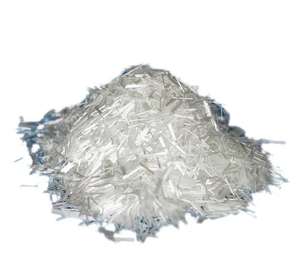
Overview of Polypropylene Long Concrete Fiber for Fiber Reinforced Concrete
No ke kū'ē kiʻekiʻe, hāʻawi mākou i nā Fiber Steel, kahi mea hoʻololi kūpono no ka uwea welded mesh ma nā papahele ʻoihana a me nā mea hoʻolei mua. Hāʻawi pū mākou i nā Structural Synthetic Fibers kūikawā e hāʻawi ana i ka ikaika tensile kiʻekiʻe no nā noi noi.. Hoʻopuehu like ʻia kēia mau fiber i loko o ka hui ʻana, ka hoʻokumu ʻana i kahi pūnaewele hoʻoikaika nui i hiki ʻole ke hoʻokō i nā ʻano kuʻuna. Hoʻomaʻamaʻa kēia ʻano hoʻohui i ke kūkulu ʻana, hoʻokē hoʻokomo, a hoʻonui i ka pono holoʻokoʻa a me ka lōʻihi o ka lāʻau, hāʻawi ʻana i kahi pane hou i nā pilikia o ka wā kahiko a me ka lōʻihi.
Features of Polypropylene Long Concrete Fiber for Fiber Reinforced Concrete
1. ʻOi aku ka mana o ka māwae a me ka hoʻoikaika ʻana i ka lōʻihi:
ʻO ka hiʻohiʻona nui o kā mākou fibers ko lākou hiki ke hoʻopaʻa i nā micro-cracks ʻelua i hana ʻia i ka wā o ke kūlana plastik a me nā māwae nui aʻe i loko o ke koʻa paʻa.. Hoʻokumu kēia dispersion ʻekolu-dimensional i kahi matrix cohesive ʻoi aku ka pale ʻana i ka hoʻolaha ʻana. ʻO ka pōmaikaʻi pololei, he hōʻemi nui ia i ka ʻāʻī ʻana o ka plastic a me ka laula māwae lōʻihi. Ke alakaʻi nei kēia i ka ʻoi aku ka lōʻihi o ke koʻikoʻi me ka haʻahaʻa haʻahaʻa, ʻo ia ka mea e hoʻonui ai i ke kū'ē i ka wai komo, pōʻino hoʻoheheʻe, a me ka palahu o kekahi kila i hookomoia. ʻO ka hopena he hale me ka lōʻihi o ke ola lawelawe a hoʻemi ʻia nā kumukūʻai mālama.
2. Hoʻonui i ka hopena a me ka pale ʻana i ka abrasion:
Nā pulu, ʻoi aku ke kila a me nā fiber macro synthetic ikaika, hoʻomaikaʻi maikaʻi i ka paʻakikī o ke kaʻa a me ka hana ma hope o ka haki. Lawe lākou a puʻunaue i ka ikehu ma ka hopena a i ʻole ka hoʻouka ʻana. Hāʻawi kēia hiʻohiʻona i ka pōmaikaʻi o kahi ʻili kūpaʻa ʻoi aku ka liʻiliʻi o ka spalling, ʻokiʻoki, a me ka abrasion ma lalo o ke kaʻa nui a i ʻole ka lole mīkini. He waiwai koʻikoʻi kēia no nā papahele ʻoihana, hale kūʻai pavements, a me nā papahana hoʻolālā, e alakaʻi ana i kahi ʻili paʻakikī e mālama i kona kūpaʻa i ka manawa.
3. ʻO ka maikaʻi o ke kūkulu ʻana a me ka mālama kālā:
ʻO kahi hiʻohiʻona nui o ka hoʻohana ʻana i ka fiber reinforcement ʻo ka hoʻopau ʻana i ka uwea welded mesh (WWF) i nā noi he nui. Hāʻawi kēia i nā pōmaikaʻi nui ma ka pūnaewele: maʻalahi ka hoʻokomo, no ka mea, ʻaʻohe mesh e hoʻonohonoho ʻia a hiki ke hoʻoneʻe ʻia, a hoʻokēʻai i ke kaʻina hana holoʻokoʻa. Ma ka wehe ʻana i kahi hana koʻikoʻi, ʻike nā papahana i ka hōʻemi ʻana i nā kumukūʻai hana a me ka wikiwiki o ka manawa papahana. ʻO ka hāʻawi like ʻana o nā fibers e hōʻoiaʻiʻo i ka hoʻoikaika paʻa ʻana ma ka ʻāpana koneki holoʻokoʻa, like ole mesh, hiki ke waiho pono ole ia, alakaʻi i ka hana hilinaʻi a wānana.

Specification of Polypropylene Long Concrete Fiber for Fiber Reinforced Concrete
Polypropylene Long Concrete Fiber– Product Spec
Summary
Polypropylene long concrete fiber is an artificial reinforcement used in concrete and mortar blends. It helps control fracturing, hoʻonui i ka paʻakikī, a hoʻonui i ka pale ʻana i ka hopena. Hana ʻia kēia fiber mai 100% virgin polypropylene and meets global standards for sturdiness and efficiency.
Na Waiwai Malu
Fiber Length: 12 mm i 54 mm (maʻamau 38 mm paha 54 mm).
Nui: Ma kahi o 30– 40 microns.
Paʻa Paʻa: liʻiliʻi 450 MPa.
Elongation ma ka Haka: Ma kahi o 15– 25%.
Melting Factor: E pili ana 165 ° C.
mānoanoa: 0.91 g/cm ELIMA
. kalakala: ʻO ka maʻamau keʻokeʻo a i ʻole ka beige.
The fibers are fibrillated, meaning they split right into a network of great filaments when blended right into concrete. This framework develops solid bonding with the concrete matrix and distributes stress uniformly across the material.
Pono i loko o ka Concrete
These fibers decrease plastic shrinkage cracks that form throughout treating. They additionally enhance post-crack actions by holding split areas with each other. The result is concrete that stands up to spalling, deals with impacts much better, and lasts much longer under heavy use. ʻAʻole like me nā kaula kila, polypropylene fibers do not wear away and are simple to blend without unique devices.
Nā noi
Use this fiber in commercial floorings, nā paepae, pana pana, nā mea hana mua, nā laina alahele, a me nā ʻāpana noho. It functions well in both wet and completely dry mix processes. Advised dose varieties from 0.6 kg/m ³ to 1.2 kg/m ekolu, e hilinaʻi ana i nā koi hana.
Ka mālama ʻana a me ka mālama ʻana
E kūʻai i nā fiber i kahi maloʻo, protected location away from straight sunlight. Keep bags sealed until usage to stop wetness absorption. No special safety gear is required throughout handling, yet basic building website safety measures apply.
Applications of Polypropylene Long Concrete Fiber for Fiber Reinforced Concrete
Applications of Polypropylene Long Concrete Fiber in Fiber Reinforced Concrete
Why Utilize Polypropylene Long Fibers?
Polypropylene long concrete fibers are included in concrete blends to improve strength and durability. These synthetic fibers aid regulate fracturing triggered by shrinkage throughout drying. They additionally enhance effect resistance and reduce permeability, which keeps water and dangerous chemicals out.
Common Makes Use Of in Building
Building contractors use polypropylene lengthy fibers in lots of types of tasks. Industrial floors advantage significantly because the fibers prevent surface fractures under heavy tons. Parking structures and warehouse slabs additionally rely upon this reinforcement to deal with continuous website traffic and weight without damaging down.
In tunnels and below ground works , these fibers include durability. They assist the concrete absorb power during unexpected tension, like ground activity or minor influences. This makes the framework more secure with time.
Advantages for Precast and Shotcrete
Precast concrete aspects– such as wall panels, paipu, and light beams– often consist of polypropylene long fibers. The fibers hold the concrete together even if it cracks, which improves safety during handling and transport.
For shotcrete applications , like slope stabilization or mining support, these fibers mix quickly and stick well. They cut down on rebound (thrown away material) and offer far better communication right after spraying.
Performance and Practical Advantages
ʻAʻole like me nā kaula kila, ʻAʻole ʻeleʻele nā fiber polypropylene. They are lightweight and easy to mix right into basic concrete batches without unique equipment. Contractors appreciate how they streamline the pouring process while still meeting engineering demands.
These fibers likewise help meet sustainability objectives. They expand the life of concrete structures, which suggests less fixings and much less product waste gradually. Task owners obtain resilient results with lower long-lasting costs.
Polypropylene long concrete fibers offer a wise, affordable way to update normal concrete into a harder, much more reliable structure product throughout numerous real-world applications.
ʻO ka moʻolelo o ka hui
ʻO mākou ke alakaʻi o ka honua i nā ʻenehana māmā a me nā hoʻonā ʻenehana i hana ʻia. ʻIke ʻia ma ka honua holoʻokoʻa no kāna kūpaʻa i ka noiʻi, mea hou, a me ka ʻike noiʻi, ke hāʻawi nei mākou i nā hoʻonā ʻenehana i hana ʻia mai ka makahiki 2012.
Hiki iā mākou ke hāʻawi aku i ka hoʻohui ʻana i nā mea hoʻohui kiʻekiʻe kiʻekiʻe a me nā huahana pili i ka foam concrete a puni ka honua.
He keʻena ʻenehana ʻoihana a me ka ʻoihana kiaʻi maikaʻi ka hui, he hale hana i hoolako pono ia, a hoʻolako ʻia me nā lako hoʻāʻo kiʻekiʻe a me ke kikowaena lawelawe mea kūʻai aku ma hope o ke kūʻai aku.
Inā hoihoi ʻoe, e ʻoluʻolu a e hoʻokaʻaʻike mai iā mākou.
Uku
T/T, Hui Komohana, Paypal, Kāleka ʻaiʻē etc.
Hoʻouna
Ma ka lewa, ma ke kai, ma ka hoike, e like me ke noi a nā mea kūʻai aku.

5 FAQs of Polypropylene Long Concrete Fiber for Fiber Reinforced Concrete
Frequently Asked Questions About Polypropylene Long Concrete Fiber
What is polypropylene long concrete fiber?
Polypropylene long concrete fiber is a synthetic fiber made from polypropylene resin. It is added to concrete mixes to improve toughness and reduce cracking. These fibers are longer than standard types, which helps them hold concrete together better under stress.
Why use this fiber in concrete?
Concrete on its own can crack easily when it shrinks or faces impact. Adding polypropylene long fibers helps control these cracks. E like me nā mea hoʻoikaika liʻiliʻi i loko o ke kaʻa. They do not replace steel rebar but work alongside it to boost overall durability.
Pehea e hoʻomaikaʻi ai i ka hana koneki?
The fibers increase the concrete’s ability to resist impact and sudden loads. They also lower water loss during curing, which reduces early-age shrinkage cracks. This leads to a more uniform and stable final product, especially in slabs, nā paepae, a me nā papahele ʻoihana.
He mea maʻalahi ke hoʻohui ʻia i loko o ke kaʻa?
ʻAe. Polypropylene long fibers disperse well in standard concrete mixers. You just add them during batching, along with other ingredients. ʻAʻole pono nā mea hana kūikawā. Proper mixing time ensures even distribution without clumping.
Does it affect the surface finish of concrete?
Ke hui pono, the fibers do not harm the surface appearance. They stay fully embedded in the concrete matrix. For smooth finishes, follow recommended dosage rates and finishing techniques. Overuse or poor mixing may cause fibers to show on the surface, so always stick to guidelines.
NOI I KA PALAPALA
NA HUAKAI PILI
Factory Crack Resistance Polypropylene Concrete Fiber HPMC HEC CMC PVA
ʻo ka hoʻoikaika ʻana i ke kūkulu ʻana i ke kaona a me ka epoxy resin carbon fiber fabric

Concrete Fiber Reinforced Cement Mortar with Polypropylene Concrete Fiber Concrete Construction Mortar
0.8mm 24 ʻAno ʻOz 3784 ʻO ka hoʻopaʻa wela a me ka lole pale aniani pale ahi

Best Concrete Fiber Polypropylene Fiber Wave Fiber for Reinforced Concrete