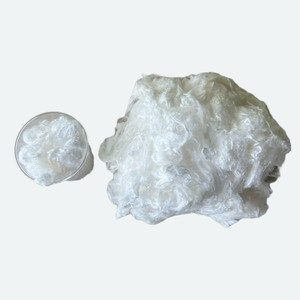
Lub teeb pob zeb Additives | High-Performance Foaming Agents rau Cellular Concrete

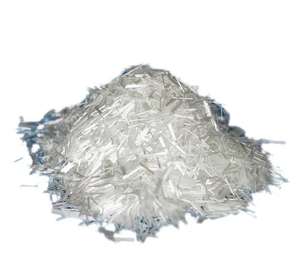
PRODUCT PRAMETERS
Kev piav qhia
Overview of 4 rau 40mm Epoxy Composite Rebar Fiberglass Rebar Basalt Rebar
Rau kev tiv thaiv siab, peb muab Steel Fibers, ib qho zoo tagnrho hloov rau welded hlau mesh nyob rau hauv industrial floors thiab pre-cast ntsiab. Peb kuj muab cov khoom siv hluavtaws tshwj xeeb uas muaj lub zog tensile siab rau cov ntawv thov. Cov fibers no sib npaug sib faib thoob plaws hauv qhov sib xyaw ua ke, tsim kom muaj ntau qhov kev txhawb nqa network uas cov txheej txheem ib txwm ua tsis tau. Qhov kev sib xyaw ua ke no yooj yim rau kev tsim kho, accelerates qhov chaw, thiab txhim khu lub zuag qhia tag nrho kev ncaj ncees thiab ntev lub neej ntawm cov pob zeb, muab cov lus teb niaj hnub rau cov hnub nyoog tawg thiab cov teeb meem ua haujlwm ntev.
Features of 4 rau 40mm Epoxy Composite Rebar Fiberglass Rebar Basalt Rebar
1. Superior Crack Control thiab Enhanced Durability:
Qhov tseem ceeb ntawm peb cov fibers yog lawv lub peev xwm los txuas ob qho tib si micro-cracks uas tsim thaum lub sij hawm yas lub xeev thiab cov kab nrib pleb loj dua hauv cov pob zeb tawv tawv.. Qhov no peb-dimensional dispersion tsim ib tug ntau cohesive matrix uas resists tawg propagation. Cov txiaj ntsig ncaj qha yog qhov txo qis hauv ob qho tib si yas shrinkage cracking thiab lub sij hawm ntev tawg dav. Qhov no ua rau lub pob zeb ruaj khov ntau dua nrog qis permeability, uas nyob rau hauv lem txhim khu kev tiv thaiv rau dej ingress, khov-thaw kev puas tsuaj, thiab corrosion ntawm tej embedded steel. Qhov tshwm sim yog cov qauv nrog lub neej ua haujlwm ntev dua thiab txo tus nqi kho.
2. Ua kom muaj kev cuam tshuam thiab Abrasion Resistance:
Fibers, tshwj xeeb tshaj yog hlau thiab muaj zog hluavtaws macro fibers, dramatically txhim kho cov pob zeb toughness thiab kev ua haujlwm tom qab tawg. Lawv nqus thiab faib lub zog thaum cuam tshuam lossis thauj khoom. Qhov no feature muab cov txiaj ntsig ntawm qhov chaw zoo dua qub uas tsis tshua muaj kev cuam tshuam, chipping, thiab abrasion nyob rau hauv hnyav tsheb los yog mechanical hnav. Qhov no yog ib qho tseem ceeb kom zoo dua rau industrial floors, warehouse pavements, thiab tej yaam num infrastructure, ua rau lub ntsej muag tawv tawv uas tuav nws txoj kev ncaj ncees rau lub sijhawm.
3. Kev tsim kho kom zoo thiab txuag nqi:
Ib qho tseem ceeb ntawm kev siv fiber reinforcement yog tshem tawm cov welded hlau mesh (WWF) hauv ntau daim ntawv thov. Qhov no muab cov txiaj ntsig zoo heev ntawm qhov chaw: nws simplifies qhov chaw, vim tsis muaj mesh los teeb tsa lossis muaj peev xwm hloov chaw, thiab nws accelerates tag nrho cov txheej txheem kev tsim kho. Los ntawm kev tshem tawm cov kauj ruam ua haujlwm hnyav, tej yaam num saib txo cov nqi zog thiab kev ncua sij hawm sai. Kev faib tawm tsis sib xws ntawm cov fibers kuj ua kom muaj kev txhawb nqa zoo ib yam thoob plaws hauv tag nrho cov qhob seem, tsis zoo li mesh, uas tuaj yeem muab tso tsis raug, ua rau kom ntseeg tau ntau dua thiab kev ua tau zoo.

Specification ntawm 4 rau 40mm Epoxy Composite Rebar Fiberglass Rebar Basalt Rebar
Specification ntawm 4 to 40mm Epoxy Composite Rebar
Material and Construction
Our composite rebar comes in diameters from 4mm to 40mm . It is made using high-strength fibers such as fiberglass (GFRP) or basalt (BFRP), completely wrapped in a protective epoxy resin coating . This layout offers the rebar excellent resistance to rust, tshuaj, and harsh weather. Tsis zoo li hlau, it will certainly not rust or degrade gradually.
Trick nta
The rebar is light-weight , weighing regarding one-fourth as high as standard steel rebar. This makes transportation and on-site dealing with much easier. It also has high tensile toughness , often more powerful than steel in pull tests. Due to the fact that it has no metal, it is non-conductive and non-magnetic , which is excellent for projects near power lines, delicate electronics, or MRI centers.
Daim ntawv thov
This rebar functions well in numerous building settings. Utilize it in bridges , cov qhov , aquatic frameworks , chaw nres tsheb , and foundations where dampness or salt direct exposure is an issue. It is also suitable for seismic areas because of its adaptability and fatigue resistance. Professionals pick it when long-term longevity and low maintenance are top priorities.
Standards and Compatibility
Our items satisfy or go beyond international requirements, consisting of ASTM D7957 for GFRP rebar. They can be cut, curved, and set up with standard tools– no special equipment is required. The surface includes a ribbed pattern to guarantee strong bonding with concrete, just like steel rebar.
Dimensions and Accessibility
We provide basic lengths up to 12 meters , with personalized cuts offered on request. Sizes consist of every common size from 4mm, 6mm, 8mm , completely to 40mm , so you can match your task’s specific architectural requirements. All bars are clearly marked for very easy identification on website.

Daim ntawv thov ntawm 4 rau 40mm Epoxy Composite Rebar Fiberglass Rebar Basalt Rebar
Daim ntawv thov ntawm 4 to 40mm Epoxy Composite, Fiberglass, and Lava Rebar
Why Pick Non-Metallic Rebar?
Traditional steel rebar rusts in time. This deteriorates concrete frameworks. Epoxy composite, fiberglass, and lava rebar fix this trouble. Lawv tsis xeb. They last much longer in rough environments. These products are additionally lighter than steel. That makes handling and installation easier.
Siv dav hauv kev tsim kho
These rebars work well in numerous building tasks. Bridges near seas or roadways treated with salt advantage considerably. Salt causes steel to corrosion fast. Non-metallic rebar remains strong for years.
Parking garages often make use of de-icing chemicals. These eat away at steel. Fiberglass or basalt rebar withstands chemical damages.
Marine structures like piers and seawalls encounter constant water exposure. Corrosion is a major concern right here. Epoxy-coated or composite rebar performs much better.
Tunnels and below ground energies need lasting support. Wetness and soil chemicals can degrade steel. Non-metallic alternatives supply trustworthy toughness without corrosion.
Highway barriers and sound walls additionally use these rebars. They lower maintenance prices with time. Specialists save money on repair work and substitutes.
Special Advantages by Product
Fiberglass rebar is very light and electrically non-conductive. It works well in MRI rooms, fais fab nroj tsuag, or anywhere electromagnetic interference should be avoided.
Lava rebar deals with high temperatures much better than fiberglass. It fits jobs near fire-prone areas or industrial warmth resources.
Epoxy composite rebar combines toughness with smooth surface defense. It bonds well with concrete and withstands breaking.
Tag nrho 3 types come in diameters from 4mm to 40mm . This range fits most structural demands– from slim slabs to heavy-load columns. Contractors can match the appropriate size and product to every job’s demands. The outcome is safer, a lot more long lasting infrastructure with less maintenance.
Tuam txhab Profile
Peb yog cov thawj coj thoob ntiaj teb hauv cov pob zeb sib sib zog nqus thiab cov txheej txheem tsim ua npuas ncauj zoo heev. Paub thoob ntiaj teb rau nws txoj kev mob siab rau kev tshawb fawb, kev tsim kho tshiab, thiab siv kev txawj ntse, peb tau muab engineered ua npuas ncauj kev daws teeb meem txij li thaum ntxov 2012's.
Peb tuaj yeem muab cov khoom siv zoo tshaj plaws thiab cov khoom ua npuas ncauj ua ke thoob plaws ntiaj teb.
Lub tuam txhab muaj cov kws tshaj lij kev ua haujlwm thiab kev saib xyuas zoo, ib lub chaw kuaj mob zoo, thiab nruab nrog cov cuab yeej ntsuas qib siab thiab tom qab-muag kev pabcuam cov neeg siv khoom.
Yog koj txaus siab, thov koj xav tias dawb thiab tiv tauj peb.
Kev them nyiaj
T/T, Western Union, Paypal, Credit Card thiab lwm yam.
Kev xa khoom
Los ntawm huab cua, ntawm hiav txwv, los ntawm kev nthuav qhia, raws li cov neeg siv khoom thov.
5 FAQs ntawm 4 rau 40mm Epoxy Composite Rebar Fiberglass Rebar Basalt Rebar
Cov lus nug nquag: 4–40mm Epoxy Composite, Fiberglass, and Basalt Rebar
What is composite rebar made of?
Composite rebar includes fiberglass (GFRP), basalt (BFRP), and epoxy-coated steel options. These bars use high-strength fibers bonded with polymer resin. Qhov tshwm sim yog lub teeb yuag, non-corrosive alternative to traditional steel rebar.
Why choose composite rebar over steel?
Steel rusts when exposed to moisture or chemicals. Composite rebar does not corrode. It also weighs about one-fourth as much as steel, making transport and handling easier. This reduces labor costs and speeds up installation.
What sizes are available?
We offer composite rebar in diameters from 4mm to 40mm. Common sizes include 6mm, 8mm, 10mm, 12mm, 16mm, 20mm, 25mm, and 32mm. Custom lengths and surface profiles (like ribbed or sand-coated) are also available for better concrete bonding.
Where can I use this rebar?
Use it in bridges, marine structures, chaw nres tsheb, wastewater plants, and any place where corrosion is a concern. It works well in roads, cov qhov, and residential slabs too. Avoid using it in applications requiring high ductility or fire resistance unless specially designed.
Is composite rebar code-approved?
Yog lawm. Many international standards recognize GFRP and BFRP rebar, including ACI 440.1R, CSA S806, thiab ISO 10406-3. Always check local building codes before use. Provide engineering documentation to confirm compliance for your specific project.
THOV QHIA
QHOV CHAW UA HAUJ LWM
12mm PP Polypropylene Concrete Microfiber Fibre Monofilament Fiber For Concrete
High Strength FRP Pultruded Lub Teeb Nyhav Flooring FRP Fiberglass Decking Vaj Huam Sib Luag
Modern Fire Resistant Concrete Fiber Board Light Weight Fire Resistant Board Fire Proof Waterproof Gypsum Board
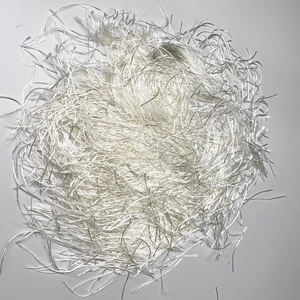
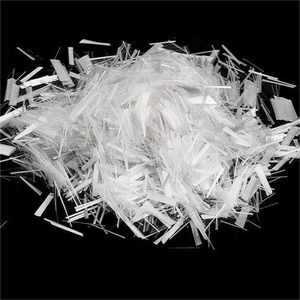
Effects Introduction Twist Fiber Stainless Concrete Fiber Chopped Strands Reinforced Concrete Steel Fiber

High Quality UG SSUG Natural Raw Sisal Concrete Fiber Woven Carbon Fiber for Concrete Filling