Te mau tao'a tahi mâmâ | Te mau rave'a haaparareraa parau teitei no te cellular concrete

TE MAU PARAMETERS
Tuʻaroʻa
Hi'opo'araa no ni'a 4 i te 40mm Epoxy Te mau hu'ahu'a hi'o Basalt
No te pato'iraa rahi, te horo'a nei matou i te mau hu'ahu'a Steel, te hoê monoraa maitai roa no te mau uira arapoa i ni'a i te tahua fare hamaniraa tauihaa e te mau hu'ahu'a. Te horoa atoa nei matou i te mau hu'ahu'a Synthetic taa ê o te horoa i te puai rahi no te mau faaohiparaa fifi. E parare hoê â teie mau hu'ahu'a i roto i te amuiraa sima, te haamauraa i te hoê faanahoraa haapuairaa rahi o te ore e nehenehe e ravehia e te mau rave'a anamua. Na teie faanahoraa taa ê e faaohie i te paturaa, haavitiviti te tuuraa, e te haamaitai i te taiva ore e te oraraa roa o te raima, Te horo'araa i te hoê pahonoraa apî i te mau fifi o te mau fifi tahito e te mau fifi.
Te mau huru o 4 i te 40mm Epoxy Te mau hu'ahu'a hi'o Basalt
1. Te faatereraa hau a'e e te vai - maitai - raa:
Te huru matamua o to tatou mau hu'ahu'a, o to ratou ïa aravihi no te faatumu i ni'a i te mau hu'ahu'a iti e tupu mai i roto i te huru hu'ahu'a e te mau hu'ahu'a rahi a'e i roto i te raima. E faatupu teie purara e toru ahu i te hoê matrix taa ê a'e o te pato'i i te parareraa o te mau hu'ahu'a. Te maitai ti'a'tu, o te hoê ïa faaitiraa rahi i te mau hu'ahu'a hu'ahu'a e te rahi o te hu'ahu'a. E faatupu te reira i te hoê raima papû a'e e te iti a'e o te permeability, o te faarahi ïa i te aravihi no te patoi i te pape, Te faainoraa, e te vavahiraa o te mau fetia atoa. Te faahopearaa, o te hoê ïa haamauraa e oraraa taviniraa roa a'e e te haamau'araa iti a'e.
2. Te faarahiraa o te mau faahopearaa e te patoiraa i te abrasion:
Te mau hu'ahu'a, i te pae iho â râ o te mau hu'ahu'a macro e te mau hu'ahu'a macro, ia haamaitai rahi i te etaeta o te raima e te ha'utiraa i muri mai i te reira. E huti ratou e e opere ratou i te ito i muri a'e i te mau faahopearaa aore ra te mau hopoia. E horoa teie huru i te maitai o te hoê mata etaeta a'e o te ore e nehenehe e vavahi, chipping, e te vavahiraa i raro a'e i te pereoo uira rahi aore ra i te mau ahu matini. E tuhaa faufaa roa teie no te mau tahua hamaniraa tauihaa, Te mau purumu no te fare vairaa tauihaa, e te mau opuaraa paturaa, e arata'i atu i ni'a i te hoê vahi etaeta a'e o te tape'a i to'na haapa'o maitai i te roaraa o te taime.
3. Te aravihi no te paturaa i te fare e te haaputuputuraa moni:
Te hoê tuhaa rahi o te faaohiparaa i te mau hu'ahu'a, o te faaoreraa ïa i te mau arapoa (WWF) i roto i te mau faaohiparaa e rave rahi. E horo'a te reira i te mau maitai rahi i ni'a i te tahua itenati: te faaohie nei te reira i te tuuraa, no te mea ho'i e, aita e upe'a no te haamau e aore râ, no te faaru'e, e te haavitiviti te reira i te taatoaraa o te ohipa paturaa. Na roto i te iritiraa i te hoê taahiraa ohipa rahi, Te ite nei te mau opuaraa i te mau haamâu'araa no te ohipa e te mau taime vitiviti a'e. Te haapapu atoa ra te tufaraa hoê â o te mau hu'ahu'a i te hoê haapuairaa tamau i roto i te tuhaa raima taatoa, taa ê atu i te mesh, o te nehenehe e tuuhia i nia i te vahi tano ore, e arata'i atu i te hoê ha'utiraa e ti'aturihia a'e e e nehenehe e tohuhia.

Te mau faataaraa 4 i te 40mm Epoxy Te mau hu'ahu'a hi'o Basalt
Te mau faataaraa 4 to 40mm Epoxy Composite Rebar
Te mau materia e te paturaa
Our composite rebar comes in diameters from 4mm to 40mm . It is made using high-strength fibers such as fiberglass (GFRP) or basalt (BFRP), completely wrapped in a protective epoxy resin coating . This layout offers the rebar excellent resistance to rust, mau tao'a tahi, and harsh weather. Taa ê noa'tu i te feruri, it will certainly not rust or degrade gradually.
Te mau huru haavare
The rebar is light-weight , weighing regarding one-fourth as high as standard steel rebar. This makes transportation and on-site dealing with much easier. It also has high tensile toughness , often more powerful than steel in pull tests. Due to the fact that it has no metal, it is non-conductive and non-magnetic , which is excellent for projects near power lines, delicate electronics, or MRI centers.
Te mau faaohiparaa
This rebar functions well in numerous building settings. Utilize it in bridges , nga tunnels , Te mau hoho'a i roto i te pape , te vahi tape'araa pereoo , and foundations where dampness or salt direct exposure is an issue. It is also suitable for seismic areas because of its adaptability and fatigue resistance. Professionals pick it when long-term longevity and low maintenance are top priorities.
Standards and Compatibility
Our items satisfy or go beyond international requirements, consisting of ASTM D7957 for GFRP rebar. They can be cut, piko, and set up with standard tools– aita e mau mauhaa taa ê e titauhia. The surface includes a ribbed pattern to guarantee strong bonding with concrete, just like steel rebar.
Dimensions and Accessibility
We provide basic lengths up to 12 metres , with personalized cuts offered on request. Sizes consist of every common size from 4mm, 6mm, 8mm , completely to 40mm , so you can match your task’s specific architectural requirements. All bars are clearly marked for very easy identification on website.

Te mau faaohiparaa o 4 i te 40mm Epoxy Te mau hu'ahu'a hi'o Basalt
Te mau faaohiparaa o 4 to 40mm Epoxy Composite, Fiberglass, and Lava Rebar
Why Pick Non-Metallic Rebar?
Traditional steel rebar rusts in time. This deteriorates concrete frameworks. Epoxy composite, hi'o hi'o, and lava rebar fix this trouble. Eita ratou e ino. They last much longer in rough environments. These products are additionally lighter than steel. That makes handling and installation easier.
Common Uses in Construction
These rebars work well in numerous building tasks. Bridges near seas or roadways treated with salt advantage considerably. Salt causes steel to corrosion fast. Non-metallic rebar remains strong for years.
Parking garages often make use of de-icing chemicals. These eat away at steel. Fiberglass or basalt rebar withstands chemical damages.
Marine structures like piers and seawalls encounter constant water exposure. Corrosion is a major concern right here. Epoxy-coated or composite rebar performs much better.
Tunnels and below ground energies need lasting support. Wetness and soil chemicals can degrade steel. Non-metallic alternatives supply trustworthy toughness without corrosion.
Highway barriers and sound walls additionally use these rebars. They lower maintenance prices with time. Specialists save money on repair work and substitutes.
Special Advantages by Product
Fiberglass rebar is very light and electrically non-conductive. It works well in MRI rooms, Te mau fare hamaniraa uira, or anywhere electromagnetic interference should be avoided.
Lava rebar deals with high temperatures much better than fiberglass. It fits jobs near fire-prone areas or industrial warmth resources.
Epoxy composite rebar combines toughness with smooth surface defense. It bonds well with concrete and withstands breaking.
Pauroa 3 types come in diameters from 4mm to 40mm . This range fits most structural demands– from slim slabs to heavy-load columns. Contractors can match the appropriate size and product to every job’s demands. The outcome is safer, a lot more long lasting infrastructure with less maintenance.
Hoho'a o te Taiete
O tatou te ti'a faatere o te ao nei i roto i te mau rave'a no te faatitiaifaro i te mau rave'a hamaniraa tauihaa. Ua matau - maitai - hia oia na te ao nei no to ' na fafauraa i te maimiraa, Fa'aterehia, e te ite aravihi, mai te omuaraa mai â o te mau matahiti 2012 mai â, ua horo'a matou i te mau rave'a no te faatitiaifaro i te mau fifi.
Na te ao taatoa nei, e nehenehe ta tatou e horo'a i te mau tao'a faaineineraa ti'a teitei e te mau tao'a hu'ahu'a.
E tuhaa ohipa aravihi to te taiete e te hoê tuhaa fenua no te hi'opo'araa i te maitai, te hoê piha maimiraa tei faaineine-maitai-hia, e te mau rave'a hi'opo'araa aravihi e te hoê pû taviniraa i muri a'e i te hooraa.
Mai te mea e, te anaanatae ra outou, A faaite mai ia matou.
Aufau
T/T, Tooa o te râ, Paypal, Tareta tarahu etc.
Te tonoraa
Na roto i te reva, na te moana, na roto i te faaiteraa, mai ta te feia hoo tao'a e ani ra.
5 FAQs o 4 i te 40mm Epoxy Te mau hu'ahu'a hi'o Basalt
Te mau uiraa ui-pinepine-hia: 4–40mm Epoxy Composite, Fiberglass, and Basalt Rebar
What is composite rebar made of?
Composite rebar includes fiberglass (GFRP), basalt (BFRP), and epoxy-coated steel options. These bars use high-strength fibers bonded with polymer resin. The result is a lightweight, non-corrosive alternative to traditional steel rebar.
Why choose composite rebar over steel?
Steel rusts when exposed to moisture or chemicals. Composite rebar does not corrode. Fatata atoa te hoê tuhaa o te maharaa o te mauhaa, making transport and handling easier. This reduces labor costs and speeds up installation.
What sizes are available?
We offer composite rebar in diameters from 4mm to 40mm. Common sizes include 6mm, 8mm, 10mm, 12mm, 16mm, 20mm, 25mm, and 32mm. Custom lengths and surface profiles (like ribbed or sand-coated) are also available for better concrete bonding.
Where can I use this rebar?
Use it in bridges, Te mau fare moana, mau fare tapearaa pereoo, Te mau fare pape ino, and any place where corrosion is a concern. It works well in roads, nga tunnels, and residential slabs too. Avoid using it in applications requiring high ductility or fire resistance unless specially designed.
Is composite rebar code-approved?
ae. Many international standards recognize GFRP and BFRP rebar, including ACI 440.1R, CSA S806, e te ISO 10406-3. Always check local building codes before use. Provide engineering documentation to confirm compliance for your specific project.
A TINIRAA I TE HOÊ PARAU
TE MAU HOPO'A FAATAA

Factory Customizable PP Fiber Polypropylene Fiber for Concrete that Prevents Cracks and Enhances Compressive Power

Micro Cement Concrete Chopped Stainless Steel Fiber Steel Fiber Factory For UHPC Metal Construction Materials

Te mau hu'ahu'a PP 6mm 12mm Polypropylene no te faaineine i te hu'ahu'a
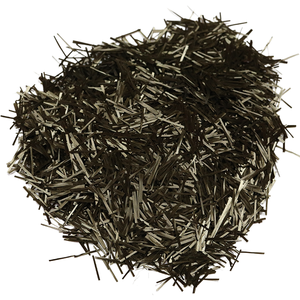
19mm PP no te faarahi i te puai o te raima
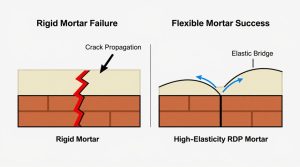
Te haapuai nei te sima no te paturaa i te mau hu'ahu'a iti no te sima